Corfu Kumquat: Liqueur, Sweets and What to Buy
Corfu kumquat is the island's signature fruit. Learn what kumquat liqueur tastes like, how the citrus is used in sweets, and how to taste and buy it.
On this page
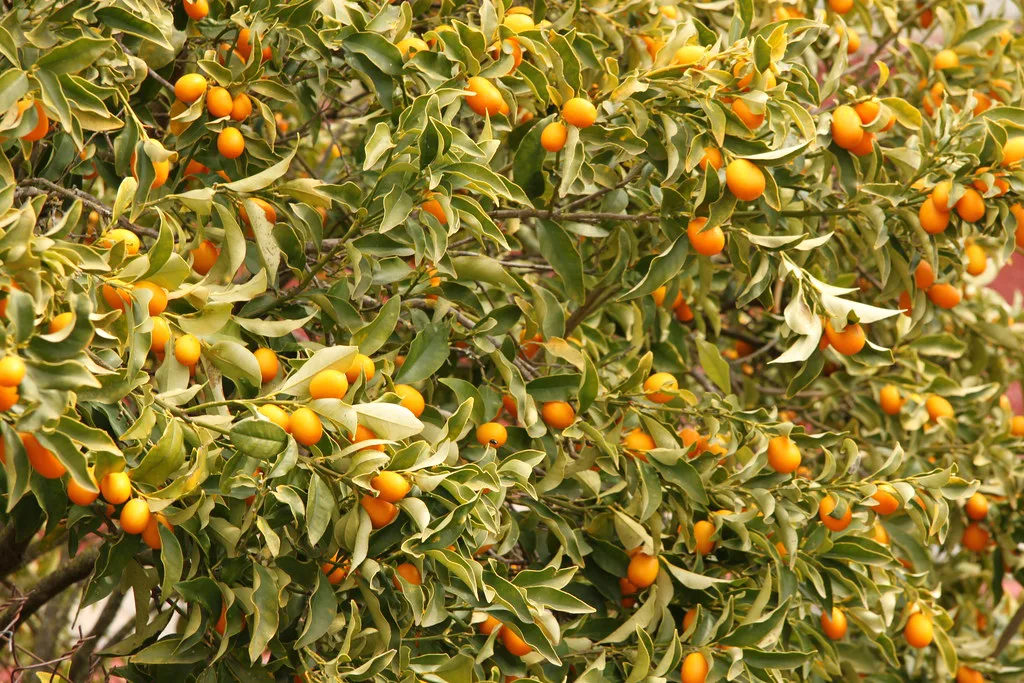
A kumquat looks like a miniature orange, but the proportions are reversed: the peel is sweet and edible, and the flesh inside is sharp and tart. Corfu has built a small food tradition around this fruit, above all a liqueur sold in almost every souvenir shop and served at many bars. This guide explains the fruit, the drink and the sweets in plain terms, and separates them from a perfume that borrows the island's name.
None of it requires a special trip. Kumquat products turn up in Corfu Town and in resort areas, and sorting a good bottle from a mediocre one is mostly a matter of reading labels and asking questions. Prices vary by shop and bottle size and are not fixed here, so compare on the spot rather than relying on any figure quoted online.
What a Kumquat Is and Why Corfu Claims It
The kumquat is a small citrus fruit eaten whole, peel and all. Greek tourism authorities call it the signature fruit of Corfu, and the island's identity is tied to it closely enough that bottles and boxes of kumquat products are standard souvenirs. That reputation rests on a fruit that is genuinely grown there, not just packaged there.
Because the peel carries the sweetness and the interior is sour, kumquats are rarely peeled and eaten like an orange. They are candied, preserved in syrup, or steeped in alcohol to pull flavor from the skin. That is why the same fruit produces both a sweet spoon sweet and a sharp liqueur.
Why Kumquats Grow in Corfu
Corfu sits in the Ionian Sea with a climate that suits citrus, and the island has a long orchard tradition that includes lemons, oranges and kumquats. The fruit is not a wild plant you will find along every path; it comes from cultivated trees, and small-scale growers and processors are the ones turning it into jars and bottles.
If the citrus season matters to your plans, ask before you travel. Producers and shops can tell you when fresh fruit and new batches are available, while the official tourism pages for the island are a good starting point for general orientation. Pair the kumquat hunt with the wider things to do in corfu so a shopping stop does not eat a whole afternoon, and check current prices and dates with individual producers before making firm plans.
Kumquat Liqueur: What It Is and How to Drink It
Kumquat liqueur, often written as kumquat liker on Greek labels, is a sweet alcoholic drink made by infusing the fruit in spirit. The official Greek tourism site describes it as the most recognizable liqueur of Corfu and notes flavors of orange and strawberry. Producers typically macerate whole or split fruit, sweeten the result and bottle it at a strength well above wine.
It is usually served chilled in a small glass as a digestif after a meal, and many bars offer it alongside coffee. Because it is sweet and aromatic, a little goes a long way; ordering one small glass is a fair way to judge whether you want to buy a bottle. It is not a mixer to treat like a soft drink.
On the island, this is also the drink to look for when you want something local before dinner. A taverna that pours it may charge a small amount or offer it on the house, and practices differ from place to place, so ask rather than assume. For a fuller picture of what a Corfu table looks like, the guide to corfu food explains the dishes that usually come before the liqueur glass. If you are island-hopping and comparing dining scenes, our Thessaloniki food guide covers where to eat in Thessaloniki in the same spirit.
Kumquat Sweets and Preserved Fruit
The most common edible form is the spoon sweet, a Greek preserve of fruit in thick syrup served in a small dish with a glass of cold water or coffee. Kumquat versions keep the fruit whole, so you get the candied peel and the sour center in one bite. They are eaten slowly, not spooned up like jam on toast.
Shops also sell candied kumquat pieces, syrups, marmalades and chocolate-dipped fruit. Look for jars that name the fruit first on the label and avoid products that lean on colorings and generic citrus flavoring. A spoon sweet should taste of the fruit itself, with a clean sour edge behind the sugar.
Tasting and Buying: How to Compare Bottles
Ask the person behind the counter three things: where the fruit comes from, whether the liqueur is made on Corfu or elsewhere in Greece, and how sweet it is. Small producers are often proud of the detail and will tell you. A bottle made with island fruit is a different purchase from one blended from imported concentrate, and only the label or the seller will tell you which you are holding.
When comparing two bottles, check the alcohol content and the ingredient list first, then look at the color and clarity of the liquid. Some liqueurs are bright and clear, others cloudier or more deeply colored, and neither is automatically better. If samples are offered, take them before committing to a full bottle, and remember that a shop's own tasting is the only reliable way to judge a batch.
Do not expect a single best label to be settled by any list. No official Corfu source names a definitive producer or a ranking, and quality shifts from year to year with the fruit, so ask shop staff which bottles are current and read recent buyer feedback rather than trusting a fixed top pick. Buy the size you will actually finish.
Kumquat in Perfume: A Separate Reference
There is also a fragrance called Corfu Kumquat, an eau de parfum from the house Aedes de Venustas. Perfume databases date its launch to 2022 and credit the composition to Ilias Ermenidis, with top notes including kumquat, tangerine, mandarin and Calabrian bergamot. The retailer describes it in terms of bright citrus rind and salty sea air.
This is a scent, not a drink or a sweet, and it has nothing to do with the bottles sold in Corfu's food shops. A traveler searching for the perfume and a traveler looking for the liqueur are after two different things. Keep the distinction in mind if you shop online, since the same two words lead to both.
Practical Notes for Carrying Bottles Home
Liqueur is liquid in glass, so pack it in the middle of checked luggage, wrapped in clothing, inside a sealed bag. Airline rules on alcohol in checked baggage vary by carrier and by the alcohol strength of the bottle, so check your airline's own page before you fly rather than relying on general advice. Cabin rules on liquids are stricter still.
Sweets and preserves travel more easily, but jars are heavy and syrups can leak. If you are buying for gifts, ask the shop whether they can wrap jars in bubble wrap, and consider smaller jars over large ones. Duty-free purchases at the airport are an alternative if you would rather not pack glass at all.

Timing a Visit Around the Citrus Season
Kumquat products are sold year-round, so no visit is wasted if your dates miss the harvest. What changes with the season is the availability of fresh fruit and the chance to see processing first-hand. Corfu's island businesses often run on a summer rhythm, with many small operations quieter or closed in winter, but no official page lists specific closures, so contact the shop or producer before building a day around a visit.
If fresh fruit is a priority, ask about local harvest timing when you book accommodation or contact a producer, and keep a backup plan. A morning at a market or a shop in Corfu Town is easy to combine with the wider list of things to do in corfu, and it works whatever the month.
Where Kumquat Fits Into a Day of Eating
The natural rhythm is to taste the liqueur at the end of a meal and buy bottles and jars separately. Corfu Town is the most convenient base for shopping, with the streets around The Liston and the old town holding the densest cluster of food shops. Outside town, resort areas and village shops carry kumquat products too, often with fewer choices but less markup.
Build a day around lunch rather than around the fruit. Choose a taverna, eat a proper meal of island dishes, and let the kumquat glass close it. The best restaurants in corfu covers options across the island, while best restaurants in corfu town concentrates on the capital for days when you do not want to drive. If you are staying in the north, restaurants in kassiopi corfu and restaurants in paleokastritsa corfu give you a local base before heading out to shop.
For a more hands-on understanding of island cooking, including how preserves fit into the repertoire, a corfu cooking class or a corfu food tour can be worth the time, though neither is essential for enjoying a bottle of liqueur. A corfu taverna lunch followed by a shop visit is the simpler plan and leaves the afternoon free.
Plan Your Kumquat Shopping
Treat kumquat as a two-part purchase: a bottle of liqueur for the drinks cabinet and a jar of spoon sweet for the table. Read labels, ask where the fruit comes from, and taste before buying a large bottle. If you want a perfume instead, look for the Aedes de Venustas fragrance by name, since it is a separate product from the food.
Finally, confirm the practical details that change: shop hours, shipping options, and your airline's rules on alcohol in luggage. A short message to the shop or a look at the airline's baggage page settles them faster than guesswork, and it means the bottles arrive home intact.
Explore more Corfu sauna guides
Frequently Asked Questions
Do kumquats grow in Corfu?
Yes. Greek tourism authorities describe the kumquat as the signature fruit of Corfu, and it comes from cultivated citrus trees on the island rather than from wild plants. For harvest timing, ask a producer or shop directly, since fresh fruit is seasonal while bottled and preserved products are sold year-round.
What is kumquat liqueur and how is it drunk?
It is a sweet liqueur made by steeping kumquats in spirit, and the official Greek tourism site describes it as the most recognizable liqueur of Corfu with flavors of orange and strawberry. It is normally served chilled in a small glass as a digestif after a meal, not as a long drink.
Is Corfu Kumquat a perfume or a food?
Both names exist. Corfu Kumquat is an eau de parfum from Aedes de Venustas launched in 2022, and kumquat liqueur and sweets are separate food products sold on the island. They share a name and a fruit, but they are unrelated purchases.
What is the best kumquat liqueur in Corfu?
No single producer is established as the best, and quality varies by batch and year. Compare bottles by reading the ingredient and alcohol details, asking staff where the fruit comes from, and tasting a sample where one is offered before committing to a full bottle.
When should I visit to see kumquats being processed?
That depends on the individual producer, and specific opening times and closures are not published on the official tourism pages for the island. Contact the shop or producer before you travel, and keep in mind that many small island businesses slow down outside the summer season.
Can I take kumquat liqueur home in my luggage?
Usually in checked baggage if it is well wrapped, but the rules depend on your airline and the strength of the alcohol. Check your carrier's own baggage page before flying, and wrap glass bottles in clothing inside a sealed bag to guard against leaks.
Sources
Notes for eating well in Greece
Optional updates to our guides.
You might also like

Continue reading
More guides you'll find useful