Corfu Food Guide: What to Eat, Drink and Where to Go
A guide to Corfu food, from pastitsada and sofrito to bourdeto, nouboulo and kumquat sweets, with the drinks to try and how meals are served.
On this page
Corfu's kitchen is the most Italianate in Greece, and that is the single most useful thing to know before you order. Centuries of Venetian rule left behind slow beef stews built on cinnamon and wine, pasta served under the sauce rather than beside it, and a habit of sharpening flavours with vinegar and garlic. Order pastitsada, sofrito or bourdeto and you are eating the island's history, not a generic Greek menu.
This guide explains each Corfiot dish in plain terms, names the drinks and sweets worth seeking out, and flags which items are genuinely local and which are pan-Greek dishes you will find anywhere. It also covers how meals are paced, how to choose a table by area, and which details are worth checking before you travel. If you are still building the rest of your days, our guide to things to do in Corfu, including The Liston, covers the sights around the eating.
Why Corfu's food differs from the rest of Greece
The Venetians governed Corfu for centuries, and cooks absorbed their pantry: beef rather than lamb or goat as the festive meat, cinnamon and cloves in savory sauces, pasta as an everyday starch, and vinegar and white wine used to cut richness. The result is a family of stews that taste closer to Venetian manor cooking than to an Aegean taverna. Two of the island's signature plates, pastitsada and sofrito, take their names from Italian kitchen vocabulary.
That inheritance explains why Corfu has dishes that are hard to find elsewhere in Greece, such as bourdeto without onions, smoked pork loin called nouboulo, and a local gyros finished with a sweet cinnamon sauce. It also means you should not judge a Corfiot menu by how many familiar Greek standards it lists. Treat the stew section as the reason you came.
One correction worth carrying with you: a widely read Corfu restaurant guide says plainly that an earlier claim about a Michelin star at Etrusco in Dassia was wrong, and that the chef's star belongs to a different restaurant in Athens. Check accolades on the restaurant's own channels rather than in listicles.
Pastitsada: the dish to order first
Pastitsada is Corfu's Sunday dish: beef or rooster braised until tender in tomato with cinnamon, cloves and red wine, then spooned over thick tubular pasta and finished with grated cheese. A cruise-line food guide describes it as a fixture of family gatherings and festive occasions, which tells you it is home cooking scaled up, not restaurant invention. The spice is warm rather than hot, so it suits cautious eaters as well as enthusiasts.
If you order only one stew on the island, make it this one, because it carries the cinnamon and pasta signature in a single plate. Venue names in Corfu food writing cluster around Sidari in the northwest, where one dish-by-dish account mentions pastitsada served at Mediterranero. Note the town rather than the table and let your own walk decide.
Sofrito: thin veal, garlic, white wine and parsley
Sofrito takes its name from the Italian soffritto, and the plate is veal pounded thin, browned and then braised in white wine, garlic and parsley until it yields to a fork. It is usually served with rice or mashed potatoes to catch the sauce, and the garlic leads. The same dish-by-dish account of Corfu food describes a version in Roda at Nikos Family restaurant with rice alongside.
Sofrito is the lighter, sharper counterpart to pastitsada: no tomato, no cinnamon, no pasta. If you are eating two stews in one trip, order them on different days and in that order, because the garlic sauce makes a tomato-based stew taste flatter afterwards. Our dedicated Corfu sofrito notes go deeper into the braise.
Bourdeto: the spicy fish stew with no onions
Bourdeto is the island's seafood answer to all that beef: firm white fish, often scorpionfish, simmered in a tomato and red pepper sauce built on paprika. The convention is to leave onions out so the pepper carries the flavour, and versions range from gentle to genuinely fiery across the island. Bread is the correct instrument here, not a fork alone.
Because the heat varies by kitchen, ask before ordering if you are sensitive, and ask which fish is in the pot that day. Bourdeto is a coastal dish, so harbour-side tavernas are the natural setting, though that often means paying for the view. For the surrounding sights on that coast, see our Corfu attractions collection.
Bianco: the quieter fish stew
Bianco is the pale sibling of bourdeto: fish poached with garlic, white wine, lemon juice and potatoes, with no tomato and no chilli. It is lighter and more delicate, and it shows up most often in coastal villages where the day's catch decides the pot. Order it with crusty bread to mop the broth, and pair it with a chilled white rather than a red.
Choosing between the two is a question of mood: bourdeto for heat and drama, bianco for subtlety and lemon. If a menu lists both, bianco is often the better test of a kitchen, since there is nowhere to hide without paprika. Neither dish needs a starter course, but a shared meze plate first works well.
Nouboulo and loukaniko: Corfu's charcuterie
Nouboulo is Corfu's own cured meat: pork loin marinated with local herbs and wine, then smoked and sliced thin like prosciutto. It arrives as part of a meze spread, with bread and a little olive oil, and it is the item most worth ordering before you commit to a main. Loukaniko, the Greek sausage, gets a Corfiot treatment too, with orange peel, garlic and fennel seeds among the seasonings, grilled or pan-fried and served with bread, olives and cheese.
Both belong to the start of a meal rather than the middle, and both reward sharing across the table. If you are vegetarian, the same meze logic works with cheese and vegetable plates, and Corfu Town has dedicated vegan and vegetarian kitchens such as Bizou Cafe in the Old Town. Our pick of Corfu tavernas covers more of these small-plate addresses.
Kumquat: candied sweets, liqueur and jam
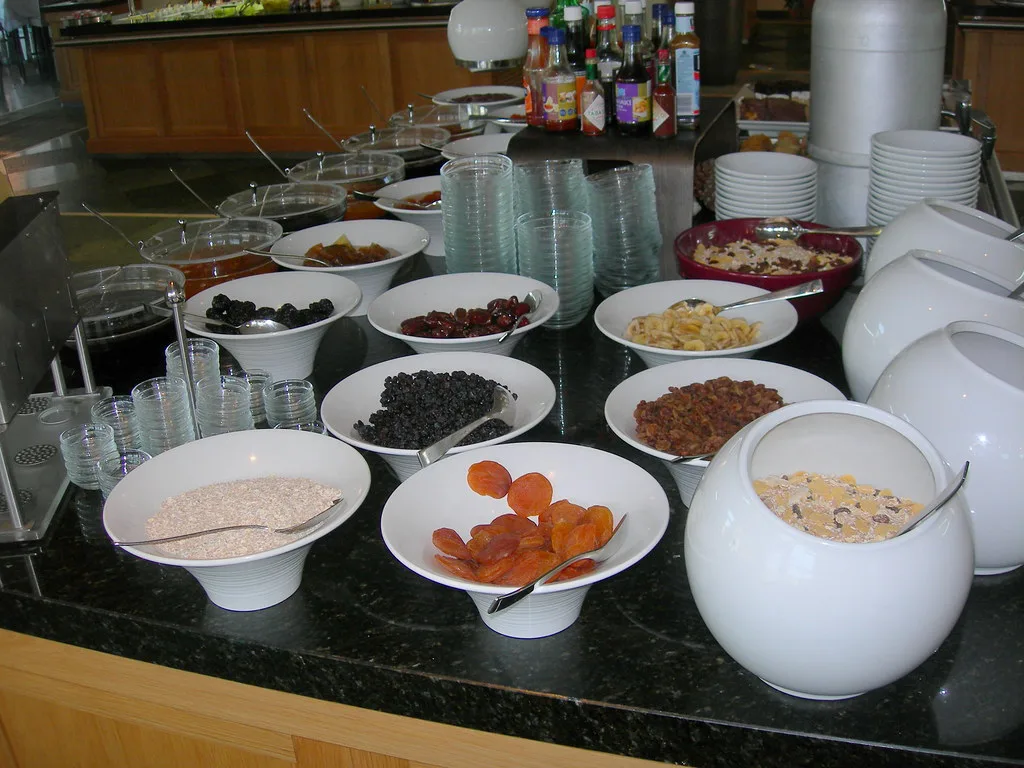
The kumquat is a small citrus fruit, like a bite-sized orange eaten skin and all, and Corfu is the only place in Greece where it is grown commercially. British botanist Sidney Merlin brought the tree to the island in 1860 according to one account of Corfu food, and the island now produces it at scale. Look for candied kumquat, kumquat jam, kumquat liqueur and even baklava made with the fruit in shops around Corfu Town.
Spoon sweets, served by the spoonful with coffee or after a meal, are the traditional way to eat it, and a jar makes a practical souvenir because it travels better than fresh fruit. If you want the full background on the fruit and its products, our Corfu kumquat guide does that job.
Ginger beer: the British-era drink that survived
Ginger beer arrived with the British in the nineteenth century and never left, which makes it the island's least expected local drink. The name is misleading: it is a soft drink made with ginger, lemon juice, yeast and water, refreshing rather than alcoholic. It is sold in bars across Corfu and in local shops, so you can try it without planning around a specific venue.
A note for anyone visiting the Danilia Village attraction near Gouvia: the theme village includes a drink with each ticket according to the same source, and ginger beer is among the options. Treat that as a reason to ask at the counter rather than a fixed offer. For more on the island's sights, see Corfu Attractions: 7 Visitor Guides.
Sweets and breakfast: mandolato, tzaletia, bougatsa and strapatsada
Mandolato is the island's nougat, made from honey, sugar, whipped egg whites and roasted almonds, with a chewy texture that dates to Venetian times and a regular appearance at holidays. Tzaletia are Corfiot cornmeal pancakes scented with lemon or orange zest and served with honey or jam, once a village dish and now on boutique taverna menus. Both make a better souvenir than a slice of cake.
Breakfast is where Corfu splits from the mainland. Bougatsa, a semolina custard wrapped in flaky phyllo and dusted with sugar and cinnamon, is a northern Greek import sold in bakeries and eaten on the move. Strapatsada, scrambled eggs cooked with fresh tomato and herbs and sometimes feta, is the sit-down option in Old Town cafes, served with bread and strong coffee.
Corfu gyros and grilled chicken: what is local and what is not
A gyros is a pita wrap with tzatziki, thinly sliced roasted meat, fries, onion and tomato, and it is sold all over Greece. The Corfiot twist, according to one Corfu food account, is a sweet cinnamon sauce on top, related to the one used in pastitsada, which makes the local version recognisably different. Look for it in Corfu Town, where O Gyros sits in one of the smaller streets.
Grilled whole chicken with oregano, fries, lemon and pieces of pita is a pan-Greek taverna staple rather than a Corfiot invention, so order it for value and comfort rather than curiosity. One account of Corfu food mentions it at 7 Grill Gyros and Souvlaki in Kassiopi on the northeast coast. If that peninsula is on your route, our restaurants in Kassiopi notes cover the area.
How a Corfu meal runs: slow service and bread on the table
Sit-down meals in Corfu are paced for conversation, not turnover. One long-running restaurant guide advises planning at least an hour for a sit-down meal and ideally two to three, and notes that most places bring bread or a small plate while you wait, though not all do. If you have a ferry or a sunset appointment, order everything at once rather than in courses.
This pacing is the single biggest practical difference from eating at home, and it catches out travelers who book a table at eight and expect to be back by nine. Build the slower rhythm into your evening rather than fighting it. Our best restaurants in Corfu picks are organised with that in mind.
Choosing where to eat by area
Corfu Town concentrates the widest choice: alleyway tavernas, brunch kitchens, meze bars and shops selling nouboulo and kumquat products. One restaurant guide warns that the most touristy spots near the main drag can be the weakest and the priciest, and points out that the poorly reviewed places are often the ones with staff outside trying to draw you in. Walk one street back before sitting down.
On the east coast, Dassia, Barbati and Nisaki run from village tavernas to Akos Farm, a family-run spot on Dassia's main road, and Terra Corfiata up in the hills above Nisaki. These are car-dependent addresses on the main coast road rather than walkable town centres. Our best restaurants in Corfu Town page is the place to start if you are staying in the capital.
The west coast is the island's most touristy side, and the crowd comes with the scenery. Paleokastritsa has the famous bays and the cliffside beach bar La Grotta, which opens at 10 AM according to one guide, while the smaller kitchens sit up side streets where parking in the morning is easier than in the afternoon. Sidari in the northwest is another resort-heavy base, with Katarina's Taverna as a traditional alternative near Canal d'Amour.
Inland Corfu is where the island's farm cooking shows up, in villages such as Giannades, Mattheos and Sgombou. One guide measures Apomero in Giannades at 15 minutes' drive, about 13 km, from Agios Spyridon beach in Paleokastritsa, which gives a sense of how quickly the landscape changes. These villages are quiet and best reached with your own car.
View versus value: harbour tables and back streets
Sea-view dining on Corfu usually costs more and takes a bigger share of the experience when you factor in the crowd. The east coast has a few ocean-facing tables around Dassia, such as Ta Diktia, while the west coast piles up resorts and beach bars with premiums attached. A back-street taverna in Corfu Town or a village patio inland usually returns better value for the same cooking.
The practical rule is to spend your view budget once, for a specific sunset or harbour occasion, and eat the rest of your meals away from the water. Book that one table in advance for a sunset slot, since caldera-style views and harbour terraces fill early in season. Our restaurants in Paleokastritsa, Corfu picks cover the west-coast version of that trade-off.
Practical notes: portions, sharing and checking details
Meze is designed for sharing, so order fewer plates than people and add more as you go, especially with charcuterie and cheese. Stews arrive as full main courses and are not suited to splitting across a table of four. If you want to learn the cooking rather than just eat it, a hands-on session such as a Corfu cooking class is another route into these recipes.
Many island kitchens close for the winter months, and opening days shift in the shoulder season, but no source here confirms dates for any named venue. Check the restaurant's own page or phone ahead before making a special trip, particularly outside June to September. The same caution applies to sunset slots, which are worth reserving the previous day.
A one-day eating plan built around the dishes
Start the day in Corfu Town with a strapatsada or a bougatsa from a bakery, then walk the streets around the Liston for a coffee. Toward midday, take a Food on Foot walk around the Old Town if you want a guided introduction with tastings of nouboulo, bourdeto, wine and kumquat liqueur in one stretch. It is the efficient way to cover several small bites without committing to a full menu.
In the afternoon, drive out to the west coast for the bays around Paleokastritsa and stop for a ginger beer somewhere with a view. For dinner, return to Corfu Town for pastitsada or sofrito, or stay coastal for bourdeto if the fish is in. Our Corfu Food Tours page lists the guided options if you prefer to be led.
Plan Your Corfu Eating Around the Stews
Order pastitsada, sofrito and bourdeto first, because those three carry the Venetian signature and are the plates that are hardest to find elsewhere. Add nouboulo and loukaniko as a shared start, finish with kumquat sweets, and treat the gyros as a snack between meals rather than the highlight. If you are island-hopping after Corfu, our guide to what to eat in mykonos covers the Cycladic counterpart to this menu.
Build the day loosely around the slow Corfiot meal rhythm, one view table and a handful of back-street ones. Confirm opening days directly with any venue you are crossing the island for, and check whether the kitchen is keeping winter hours in the shoulder season.
Frequently Asked Questions
What food is Corfu famous for?
Pastitsada and sofrito are the two dishes most tied to the island, both beef stews carrying Venetian influence, with cinnamon and pasta in the first and white wine, garlic and parsley in the second. Bourdeto, a spicy fish stew made without onions, is the third signature. Nouboulo smoked pork and kumquat products are the local specialities to look for on top of those.
What is the national dish of Corfu?
Pastitsada is the closest thing to a national dish: a slow-braised beef or rooster stew with cinnamon, cloves and red wine, served over thick tubular pasta and finished with grated cheese. It appears at family gatherings and festive occasions and on taverna menus across the island, which is why it is the one dish to order first.
What do they eat for breakfast in Corfu?
Bakeries sell bougatsa, a semolina custard in flaky phyllo dusted with sugar and cinnamon, and cafes serve strapatsada, eggs scrambled with fresh tomato and herbs, sometimes with feta, alongside bread and coffee. Tzaletia, small cornmeal pancakes with citrus zest and honey, are a local option that turns up on breakfast and dessert menus.
Is Corfu food different from mainland Greek food?
Yes. Centuries of Venetian rule left the island with beef stews spiced with cinnamon and cloves, pasta served under the sauce, vinegar and white wine in the pan, and dishes such as nouboulo and bourdeto without onions that are rarely found elsewhere in Greece. Familiar Greek standards are still common, so the stew section of a menu is the one that tells you where you are.
What drinks should you try in Corfu?
Ginger beer is the local curiosity, a soft drink of ginger, lemon juice, yeast and water that arrived in the nineteenth century and is sold in bars and shops across the island. Kumquat liqueur is the other one to try, made from the small citrus fruit grown commercially in Greece only on Corfu. Local wine is widely poured alongside both.
How long does a meal take in Corfu?
Plan on at least an hour for a sit-down meal and two to three if you want the full experience, since service is paced for conversation rather than turnover. Most places bring bread or a small plate while you wait for the order, though not all do. Order everything at once if you have a ferry or sunset slot to reach.
Where should you eat in Corfu Town?
Look at the smaller streets and alleys away from the busiest tourist stretches, where the weakest and most expensive places often have staff outside trying to pull people in. Corfu Town has meze bars, brunch kitchens and traditional tavernas, and it is also the best place to shop for nouboulo and kumquat products. Check recent reviews before committing to a table.
Should you book a sea-view table in Corfu?
Book one view table for a specific occasion, such as a sunset or harbour dinner, and eat other meals at back-street or village tavernas where the money goes on the food rather than the outlook. Seafront terraces on the west coast and in Dassia fill quickly in season, so reserve the previous day and confirm the time directly with the restaurant.
Sources
Notes for eating well in Greece
Optional updates to our guides.
You might also like
Continue reading
More guides you'll find useful