Corfu Cooking Class: Vineyard Kitchen or Villa Lesson?
Compare Corfu cooking class formats, from a hilltop vineyard estate with a cookbook author to a small villa group. See what you cook, what it costs and how to book.
On this page
Corfu cooking classes split into two recognisable formats. One is a private experience at a family vineyard estate on a hilltop, run by a host who has published a book on Corfiot cuisine. The other is a small-group lesson in a local villa, capped at ten people, with an olive oil tasting built in.
The choice matters more than it looks. It changes your group size, how much of the day you give up, whether wine is included or an extra, and how far you travel from Corfu port or town. This guide sets out what each format actually promises, explains the Corfiot dish names in plain English, and flags the booking rules to check before you pay.
Quick Answer: Which Corfu Cooking Class Suits You
Choose the vineyard estate if you want a private experience with a story attached: a hilltop setting, a host who researched and wrote about local recipes, and a menu rooted in the Venetian-influenced cooking of Corfu. Choose the villa lesson if you prefer a compact small-group class where an olive oil tasting is part of the format and the group is capped at ten.
The estate experience is booked by request through an online platform, so it is not a walk-in proposition. If you are weighing a class against a market visit or a food tour, it helps to see the wider menu of things to do in corfu first, since a half-day class eats into the same hours as a boat trip or a monastery circuit.
What a Corfu Cooking Class Typically Includes
The vineyard format follows a clear arc: a welcome drink, a short talk on the estate's history and on traditional olive and wine making, a hands-on session with local ingredients, then a sit-down meal. The villa format pairs the cooking with an olive oil tasting, which is a guided comparison of oils rather than a meal in itself.
Expect to cook rather than watch. The estate class is described as hands-on, with herbs foraged from the garden and vegetables, herbs and flowers drawn from the estate or from local producers. That means your menu shifts with what is in season, so any published dish list should be read as a sample rather than a fixed menu.
Meet the Vineyard-Estate Class: Vasiliki and the Ambelonas Estate
This class is hosted by Vasiliki at a hilltop estate alongside a vineyard, where wine and olive cultivation are described as going back more than 400 years. She published a cookbook, Corfiot Cuisine – in search of the origins, after researching historical sources and testing local ingredients, and guests receive a copy at the end of the experience.
The cooking is framed around Corfiot cuisine's Venetian influence, which explains dishes such as sofritto later in the menu. Wine comes from the estate, produced by Vasiliki's husband, but it is an optional add-on rather than part of the base price.
Dishes to Expect, Explained
Melitzanosalata is smoked eggplant with yogurt, parsley and olive oil, a starter rather than a main. A traditional pie in this kitchen means seasonal vegetables, cheese, yogurt, milk and fresh herbs baked together; it appears across the menus and is the dish most likely to satisfy vegetarians.
Sofritto is Corfu's slow-cooked meat dish, and the estate's version may appear as veal sofritto or as pork dolce garbo, pork cooked slowly with onions, rosemary, white wine and spices and served with aromatic rice. Dessert might be a lemon tart or pudding on the meal menu, or the estate's syrup cake with caramelised carrots, strained yogurt and mulberry and bergamot jam on the class menu.
The sample menus are explicitly labelled as samples that vary with seasonal availability, and guests can note dishes they hope to try in the booking form. Treat the list as a sketch of the kitchen's style, and use a wider Corfu food guide to plan what else to eat on the island.
Group Sizes and Timing
Group sizes are stated on the listing and differ by format. The in-home meal runs for four to thirty guests, while the cooking experience plus meal runs for four to sixteen, and the experience is private rather than shared with strangers.
Timings separate the two formats clearly. The meal alone is offered at a lunch slot from mid-morning to midday and an evening slot of roughly two hours, while the cooking experience plus meal occupies a longer lunch block or a longer evening block. If you are fitting the class around a port call, the shorter meal slot is the safer fit; if you want the full hands-on session, plan the rest of the day around it.
What It Costs
Per-person prices are published on the listing and vary by group size. At four people the in-home meal is listed at $125 against $107 at five or more, and the cooking experience plus meal at $289 against $238, so a larger group lowers the per-head rate. Solo travellers are not offered the meal option on this listing.
Wine is a separate per-person add-on of $26 covering one to two glasses, and a 4% processing fee is added at checkout on top of the quoted figures. The villa class is listed on a separate platform with its own pricing, which you should read directly rather than assume matches the estate figures.
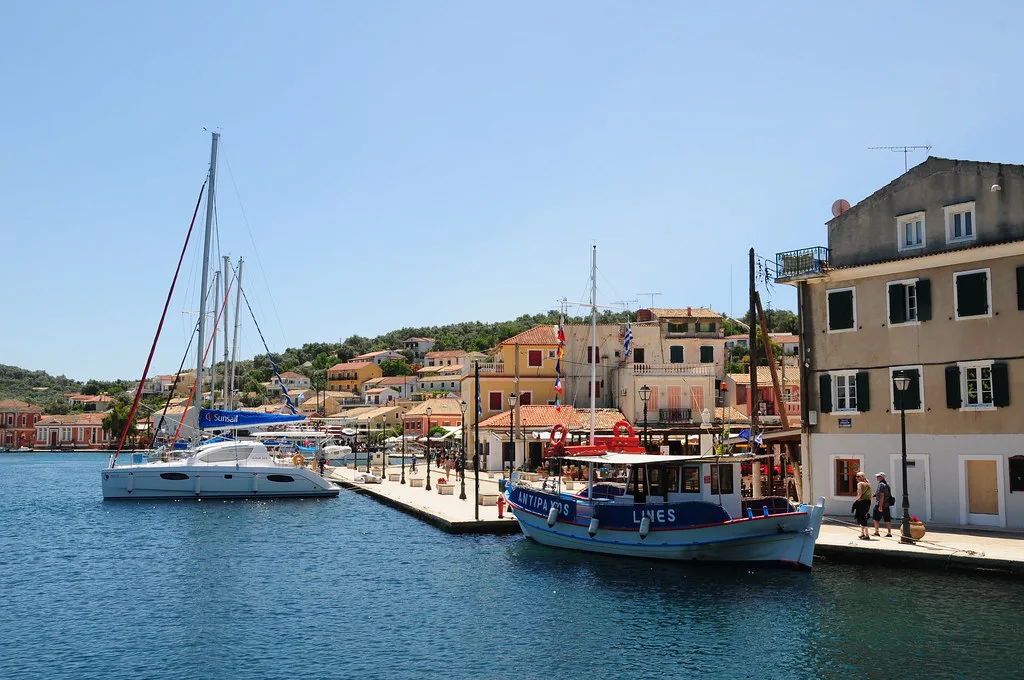
The Villa Option: Small Group With Olive Oil Tasting
The second format is a Greek cooking class and olive oil tasting held in a local's villa, with the group capped at ten people. Because the cap is low, it behaves more like a shared table than a large demonstration, and the olive oil tasting gives you a structured comparison to carry into restaurant ordering later in your trip.
The listing does not name the host or the village, so if the exact location matters to your transport plans, ask before booking or check the meeting details on the platform. A wider directory of Corfu classes, including meze tastings, is useful for comparing formats side by side.
Add-Ons Worth Weighing
Three extras deserve a decision. Estate wine is charged per person on top of the class price, olive oil tasting is built into the villa format rather than an extra, and foraging herbs from the garden is part of the estate class rather than something you book separately.
If local produce is the reason you are taking a class, the island's kumquat products, olive oil and wines are worth seeking out afterwards. For a broader picture of the island's drinks and sweets, see the corfu kumquat guide before you plan a shopping stop.
Dietary Requests
The estate kitchen states it can offer gluten-free, vegetarian and vegan meals on request, and the booking form carries a field for allergies and dietary restrictions that goes directly to the host. Use that field rather than relying on a verbal note on the day.
Because menus change with the season, confirm the substitution in writing when you book. If the reply is vague, ask which dishes will replace the meat course, since the pie and salad are the usual anchors for a meat-free version.
Booking and Cancellation Mechanics
The estate experience is booked by request. Your card is not charged until the host accepts, hosts typically respond within about 72 hours, and you can cancel up until 48 hours before for a refund minus the processing fee; later cancellations are not refundable.
Contact details, including the address and directions, are released only after the host accepts and payment clears. That means you cannot plan the drive until confirmation lands, which is worth remembering if your accommodation is far from the estate.
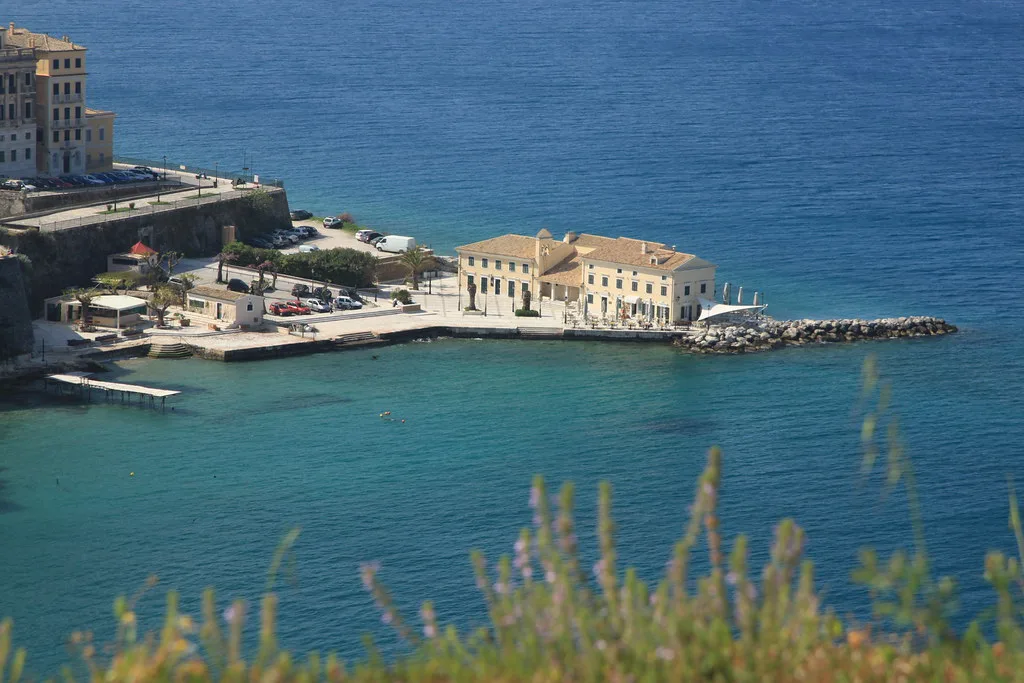
Getting There From Corfu Port or Town
The estate is described as being on a hilltop, and a guest report puts it about 20 minutes from Corfu port by car; treat that as one traveller's estimate rather than a verified distance, and confirm the meeting point once your booking is confirmed.
Transport can be arranged as an optional add-on with some hosts and is usually quoted per car rather than per person, so a group of four shares the cost. Build in a buffer if you are returning to a ship, and check whether drop-off is at the port or elsewhere in town.
Class, Food Tour or Olive Oil Tasting?
A class suits a longer stay or a port day long enough for a half-day commitment. An olive oil tasting or a shorter tasting session fits a tighter schedule. A guided food walk covers more ground in Corfu Town without the cooking time.
If you are staying outside the capital, check the local restaurant scene in your base before adding a class to the itinerary. Kassiopi and Paleokastritsa each have their own eating options that pair with a day out, including places worth seeking out among the restaurants in kassiopi corfu and the restaurants in paleokastritsa corfu.
Mistakes to Avoid
Do not assume walk-up availability: the estate experience runs by request and needs advance booking. Do not book a single place on the estate meal option, which the listing does not offer for one person. And do not forget the processing fee when comparing the headline prices.
Finally, treat the class as a springboard for eating out in Corfu. The taverna side of the island is where you test what you learned, so check current opening hours before planning an evening out, and the Corfu Tavernas guide is the place to start.
Day-Of Practicalities
Before you go, confirm three things in writing: the meeting point, whether transport is included or per car, and the language of instruction. The estate host lists English and Greek, which matters if your group mixes languages.
Wear shoes that cope with a garden, since foraging herbs is part of the estate class. Carry a note of any allergies even if you have already submitted them online, and leave room in your bag for the cookbook.
Verdict: View and Story Versus Compact Value
The vineyard estate wins on setting, narrative and a host with published research behind her recipes, but you pay more, the group minimum is four, and wine is extra. The villa class wins on a tight small-group format with olive oil tasting included, though it publishes less about the host and location.
Match the choice to your day, not to a ranking. A port call with a few hours favours the shorter meal slot or a tasting; a longer stay rewards the full hands-on session. Wherever you land, a cooking class works best as one thread in a wider trip, alongside the best restaurants in corfu and the sights that fill the rest of your days.
Explore more Corfu sauna guides
Frequently Asked Questions
How much does a Corfu cooking class cost?
The vineyard-estate listing on Traveling Spoon shows per-person prices that fall as the group grows, with the in-home meal and the cooking experience plus meal priced separately, plus an optional wine charge and a processing fee at checkout. The villa class is priced on its own GetYourGuide page. Read both listings directly at the time you book, since hosts set their own prices and can change them.
What dishes do you cook in a Corfiot cooking class?
Sample menus at the vineyard estate mention melitzanosalata (smoked eggplant with yogurt and olive oil), a seasonal vegetable and cheese pie, a green salad, slow-cooked pork dolce garbo or veal sofritto, and a syrup cake for dessert. The host states the menu varies with seasonal availability, so treat published dishes as examples and note any requests in the booking form.
How long does a Corfu cooking class last?
At the vineyard estate the meal-only option runs in a short lunch or evening slot, while the cooking experience plus meal takes a longer block, either across a long lunch or a long evening. The villa class is listed on GetYourGuide with its own duration and start times. Check the current listing before you commit, especially if a cruise departure fixes your return time.
Do Corfu cooking classes cater to vegetarians or gluten-free diets?
The vineyard estate can provide gluten-free, vegetarian and vegan meals on request, and its booking form has a field for allergies and dietary restrictions that goes straight to the host. Because the menu shifts with the season, ask in writing which dishes will replace the meat course when you book. For the villa class, contact the operator directly.
Can you do a cooking class from a cruise ship stop in Corfu?
It depends on your hours in port. One guest report describes the vineyard estate as about 20 minutes from Corfu port by car, but that is a single traveller's estimate rather than a verified distance, and the exact address is only released after the host confirms the booking. If your call is short, the meal-only slot or an olive oil tasting is the safer fit.
What is the difference between a cooking class and an olive oil tasting in Corfu?
A cooking class is a hands-on session where you prepare dishes and then eat them, which takes several hours. An olive oil tasting is a guided comparison of oils and is built into the villa class format as a shorter, tasting-led element. If your schedule is tight, a tasting or a food tour is easier to slot in than a full class.
Sources
Notes for eating well in Greece
Optional updates to our guides.
You might also like

Continue reading
More guides you'll find useful