
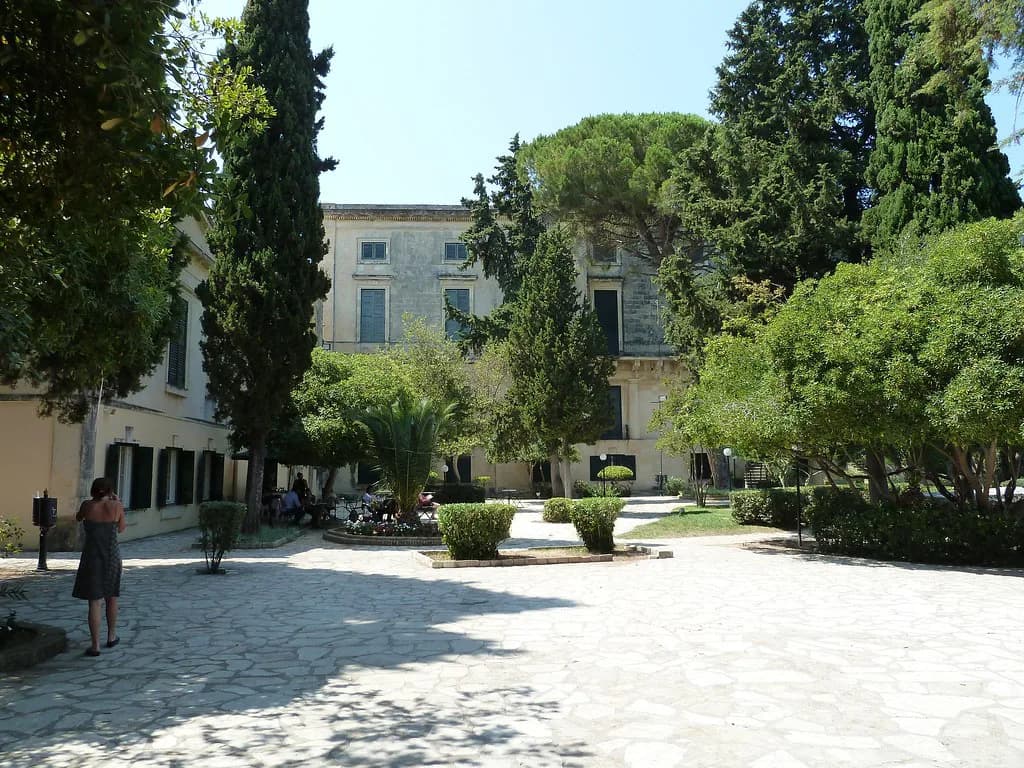
Museum of Asian Art Corfu: Visiting the Palace of St Michael and St George
The Museum of Asian Art is Corfu Town's unlikely pairing of a grand neoclassical palace and a collection of art from across Asia. Visitors get two things in one ticket: the interior of the Palace of St Michael and St George and galleries of Chinese, Japanese, Nepalese, Tibetan and Central Asian material. This guide covers where it sits, how to walk there, what to prioritise inside and the seasonal hours that decide whether your day works.
What the Museum of Asian Art Corfu Is
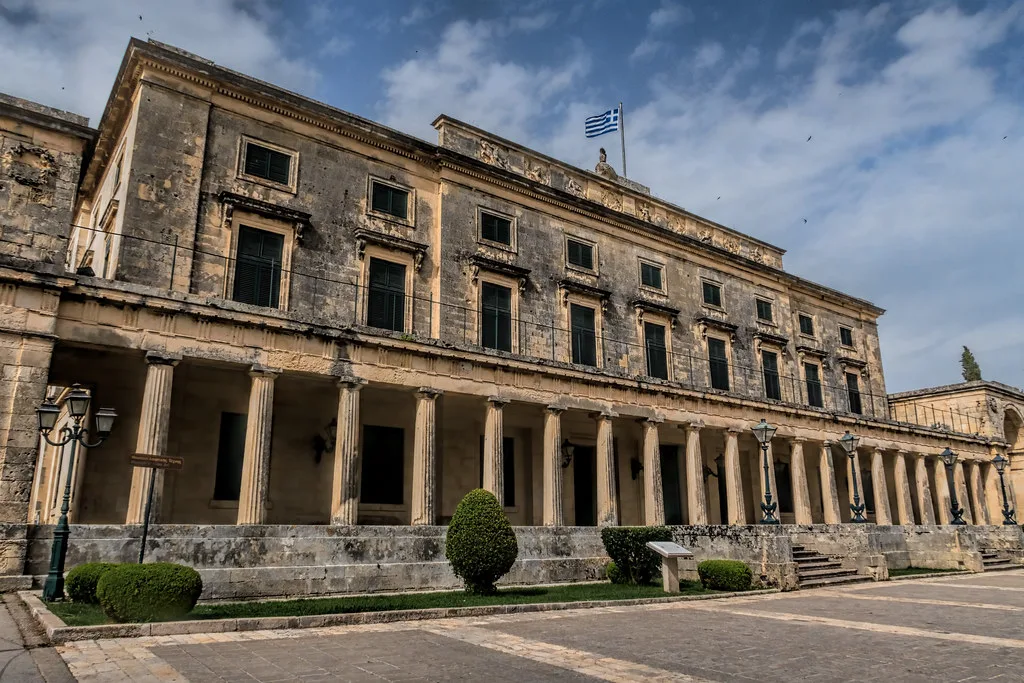
The museum occupies the Palace of St Michael and St George, known locally as Palea Anaktora, or the Old Palace, in Corfu Town. The building gives its name to the palace of two saints, and the museum's own site lists its address as Palace of St. Michael & George (Palea Anaktora), 49100 Corfu. That address is the one to give a taxi driver or type into a map before setting out.
Inside, the collections are divided by region: a Chinese art collection, a Japanese art collection, and a Nepal, Tibet and Southeast Asian collection, alongside Central Asian nomadic art. For a first-time visitor, that division is the most useful thing to know before arriving, because it lets you plan which galleries get your energy and which you skim. The museum publishes a virtual tour and collection pages if you want a preview; the 360-degree virtual tour on the palace pages is a sensible five-minute check on what the rooms look like.
Why an Asian Museum Sits in a Corfu Palace
The palace was built under British rule and named for the Order of St Michael and St George, the order associated with the Ionian Islands protectorate era. The museum's own materials tie the two histories together: the palace and the order share the same saints, and the museum has presented an exhibition on the Order and the palace, curated by its director and head of exhibition department. That exhibition is dated 2019, so treat it as published historical material rather than a guaranteed current display; ask at the desk what is on during your dates.
This dual identity shapes how you should visit. A reader expecting a pure art museum may find the palace architecture and the Order history take up attention they had budgeted for galleries. The practical answer is to decide your split before you climb the stairs: roughly half the visit to the building and its story, half to the Asian collections, adjusting once you see the room sizes.
Where It Is and How to Get There
The palace stands in central Corfu Town, within easy reach of the main visitor areas. Third-party visitor information puts the museum about a 13-minute walk from Corfu's central bus station and around a 10-minute walk from a nearby parking lot; treat both as approximate and confirm against a map for your starting point. If you are arriving by bus from elsewhere on the island, walking is usually simpler than moving a car into the town centre.
Once you reach the palace, orientation is straightforward: the museum entrance leads into the palace rather than a separate modern block, so the building is the first exhibit. Allow a few extra minutes at the start to read the entrance material and find the stair or lift route to the upper collections. If you are combining the museum with a wider wander, our guide to the old town sets out the surrounding streets and squares so you can plan the walk in and out.
What to See Inside: The Regional Collections
Start with the Chinese collection if you want the broadest introduction to the museum's strengths, then move to the Japanese galleries, which reward slower looking at smaller objects. The Nepal, Tibet and Southeast Asian collection changes the register again, with material tied to Himalayan and mainland religious traditions. The museum's site organises its collections under these regional headings, so use the same labels on the gallery signage to keep your bearings.
The Central Asian nomadic art collection is the section most visitors underestimate. It adds portable, travel-oriented objects that make sense of the steppe trade routes connecting the other collections, and it is the part of the museum that most rewards a second pass. If your time is short, do not skip it in favour of re-reading labels in the Chinese galleries.
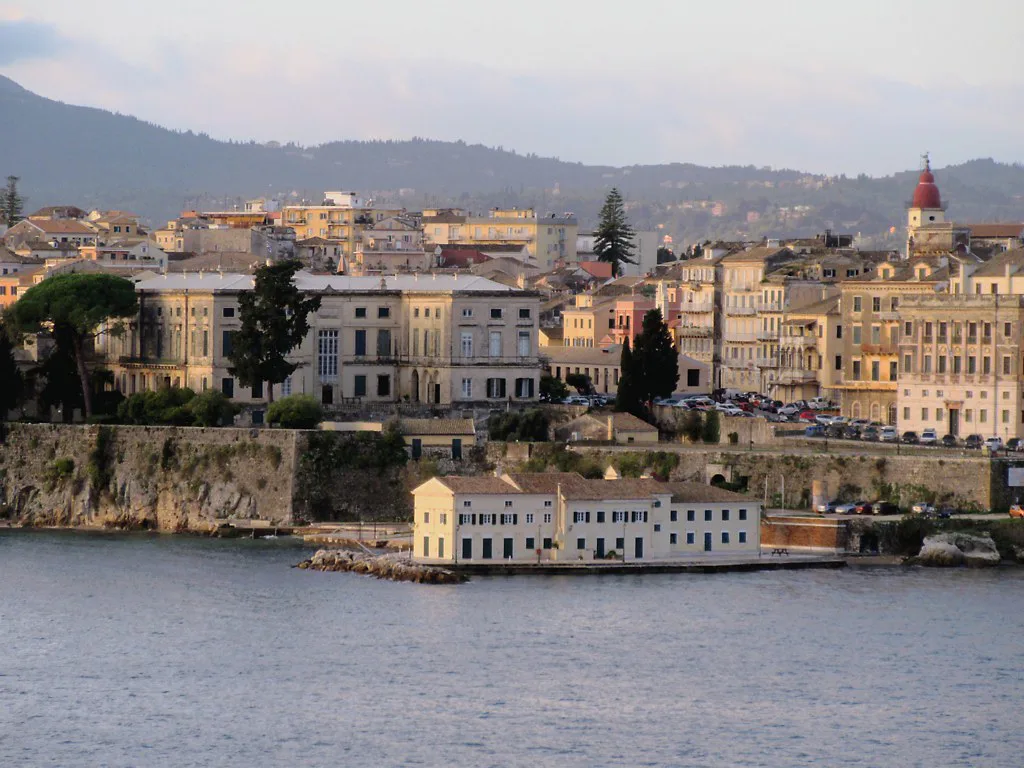
The Palace Itself: Architecture and History
The palace interior is worth treating as a sight in its own right: neoclassical rooms, a formal staircase and the scale of a building designed to impress. The museum's photo gallery gives a sense of the facade and rooms before you arrive, which helps you decide whether to spend your limited time on architecture or objects. Photography rules inside are posted at the entrance; follow the signage on site.
The palace history material, including the exhibition on the Order of St Michael and St George, is the place to learn why the building exists and how it later became a museum. Read it first if you want context for the objects; read it last if you prefer to meet the art without a history lesson in front of it. Either order works, but decide at the door rather than halfway up the stairs.
How Long to Allow
For a focused visit, plan on roughly 60 to 90 minutes: about 20 minutes on the palace architecture and history, then the rest in the regional collections. Add time if you like reading labels closely or want a second pass through the Central Asian nomadic material. A rushed 30-minute stop mostly covers the building and one collection, which is fine if the museum is a heat or rain break rather than the day's main event.
Position the visit as a midday or wet-weather stop and the timing works better. The museum is indoors, so it functions as a break from forts, viewpoints and waterfront walking, and you leave fresh enough to continue. For a wider menu of alternatives, see our round-up of things to do in Corfu and slot the museum against outdoor options.
If you are building a day around Corfu Town, put the museum before or after rather than in the middle of a fort visit. Walking between the palace area and the Old Fortress Corfu takes only minutes, but each needs its own attention. Our Old Fortress Corfu (Palaio Frourio) guide covers the outdoor half of that pairing.
Opening Hours: Seasonal and Specific
The museum publishes two seasonal schedules. From November 1 to March 31 it opens Wednesday to Monday, 08:30 to 15:30, and is closed on Tuesdays; from April 1 to October 31 it opens Monday to Sunday, 08:00 to 20:00. Those are the museum's own posted hours, so build your day around them and re-check the visit page before you travel, since holiday variations are not listed there.
The winter Tuesday closure is the single most common planning error: a short winter break can easily land on the one day the museum shuts. If your trip falls between November and March, treat Tuesday as a fort, old town or Mon Repos day instead. In summer the long 08:00 to 20:00 window makes the museum an easy early-morning or late-afternoon stop.
Tickets, Access and Booking
The museum maintains a Tickets page within its Visit section, and that is the place to confirm the current entry price, any reduced rates and whether combined or group tickets exist. Prices are not fixed in this guide because they change and should be read from the source at the time you book. If you are travelling with children, students or a group, check the categories on that page before assuming a discount applies.
Advance booking is not typically necessary for a museum of this size, but the palace is a stop on walking routes and can absorb groups at peak times. If your schedule is tight, arrive near opening rather than mid-afternoon. The museum also publishes access information and notes provision for disabled visitors and school programmes, so read those pages if you need step-free routes or a group arrangement.
Nearby Options Around the Palace
The palace sits within comfortable walking distance of several Corfu Town sights, which makes it easy to pair with a short stroll rather than a full itinerary. Spianada Square and the arcaded Liston are the obvious orientation points nearby, and the Church of Saint Spyridon in Corfu is a short walk inland. Use the palace as a fixed point and build a loop of two or three stops rather than trying to see everything.
If you want a second museum rather than more outdoor sights, the Archaeological Museum of Corfu is another indoor option in town. For a half-day trip, Mon Repos Palace, Corfu sits outside the centre and suits a separate outing rather than a same-morning add-on. Our Corfu Attractions: 7 Visitor Guides page maps these choices against each other. If your travels later take you to the mainland, our Thessaloniki food guide covers where to eat in Thessaloniki between museum stops.
Common Mistakes to Avoid
The first mistake is arriving on a winter Tuesday, when the museum is closed. The second is rushing the upper-floor collections after spending too long on the entrance and palace history. Decide your split at the door, and if the palace story is your priority, accept that one art collection may get only a quick pass.
The third mistake is treating the palace as a lobby on the way to the galleries. The building is half the reason to come, and skipping its architecture and the Order history leaves the visit thin. The fourth is assuming a special exhibition from the museum's publications is currently on display; ask at the desk what is showing during your dates before planning around it.
Plan Your Visit
The Museum of Asian Art works best as a planned indoor slot rather than an accidental stop. Check the seasonal hours against your dates, walk in from the bus station or a nearby car park with a map, and give the palace and the regional collections a fair split of your time. For the wider context around it, the Corfu Attractions: 7 Visitor Guides page keeps the museum in view alongside the old town and fort.
Frequently Asked Questions
Why is there an Asian art museum in Corfu?
The museum is housed in the Palace of St Michael and St George, a British-era neoclassical building in Corfu Town. The museum's own materials link the palace and the Order of St Michael and St George, and the palace later became the home of the Asian art collections. Check the museum's palace history pages for the full account before your visit.
What can you see inside the Museum of Asian Art in Corfu?
The collections are organised by region: Chinese art, Japanese art, a Nepal, Tibet and Southeast Asian collection, and Central Asian nomadic art. You also see the palace interior, its staircase and rooms, plus the palace history material. Plan which regional galleries matter most to you before arriving.
How long does it take to visit the Museum of Asian Art in Corfu?
Allow roughly 60 to 90 minutes for a focused visit, splitting time between the palace architecture and the regional collections. Readers who study labels closely or want a second pass through the Central Asian material should allow longer. A 30-minute stop usually covers the building and one collection.
When is the Museum of Asian Art in Corfu open?
The museum publishes seasonal hours: November 1 to March 31, Wednesday to Monday 08:30 to 15:30 with Tuesday closed; April 1 to October 31, Monday to Sunday 08:00 to 20:00. Confirm on the museum's visit page before travelling, as holiday variations are not listed.
Do you need to book tickets for the Museum of Asian Art in Corfu in advance?
Advance booking is generally not necessary for a museum of this size, though arriving near opening helps if your schedule is tight. Confirm the current entry price, reduced rates and any group arrangements on the museum's Tickets page before you go.
How do you get to the Museum of Asian Art from Corfu Town?
The palace is in central Corfu Town, roughly a 13-minute walk from the central bus station and about a 10-minute walk from a nearby parking lot according to third-party visitor information. Treat those times as approximate and check a map from your own starting point.
Is the Museum of Asian Art worth visiting?
It suits travellers who want an indoor break from forts and waterfront walks and who value a palace interior as much as the art. If you only have time for one collection, the Chinese galleries are a sensible starting point, and the Central Asian nomadic material is the section most often overlooked.