
Mon Repos Palace, Corfu: What to See in the Estate and How to Visit

Mon Repos is a wooded estate on the Kanoni peninsula south of Corfu Town, and visitors often arrive expecting a single palace and find three separate things to see. There is a neoclassical villa built in 1826 for a British High Commissioner, the buried ancient city of Palaiopolis beneath and around it, and a park of shaded paths that ends at the shore. Knowing which is which before you go makes the visit far easier to plan.
The name is the first clue: Mon Repos translates roughly as "my rest", a fitting label for a summer retreat. Because the grounds hold an archaeological site as well as a villa, the estate works as a slow half-day rather than a quick photo stop. The notes below cover the layout, the royal history attached to the house, the walking surfaces in the park, and the practical points to confirm before setting out.
What Mon Repos Actually Is
Mon Repos is an estate rather than a single building. Its grounds encompass the ancient city of Palaiopolis, and a museum in the former palace displays finds from that site, so a visit combines a country house, archaeological remains and open parkland in one place. Treat the three as separate stops so you do not rush the archaeology on the way to the villa.
The property sits in Kanoni, which locally is considered part of Corfu's old city area, above the seashore on a quiet stretch of the peninsula. That position explains the shape of the visit: you move between buildings and trees on high ground, then descend toward the water.
It is worth separating Mon Repos from the hotels that borrow its name. The Mon Repos Palace Hotel is a separate business nearby, not the historic villa and not a building inside the estate. If you are navigating by map, aim for the estate entrance in Kanoni rather than a hotel address.
Where It Sits: Kanoni and Corfu Town
The estate occupies a quiet area of the Kanoni peninsula above the shoreline, with the park's trees and small paths running across the slope. Kanoni itself is the district to search for on a map, and the estate is the green, tree-covered ground within it rather than a landmark on the main road.
Corfu Town lies to the north, and one nearby hotel describes the town centre as roughly a kilometre away from its own address in Anemomylos, which gives a sense of the scale of this stretch of coast. That figure refers to the hotel, not to the estate gate, so treat it as orientation only and check your route from wherever you are staying.
How to Get There and What to Expect at the Entrance
Mon Repos is commonly reached on foot from the Corfu Town side, by local transport along the Kanoni road, or by car or taxi, and the approach is through a residential, wooded part of the peninsula rather than a commercial strip. Whichever you choose, plan for a walk within the grounds after you arrive, since the villa, the ruins and the shore are spread out.
Published visitor logistics for the estate are thin, and the sources describing it do not give gate locations, parking arrangements or opening times. Check the entrance point, opening days and any entry arrangements with an official Corfu source or the site itself before travelling, particularly outside the main season, and do not rely on hotel websites for estate information.
The Palace Itself: A Neoclassical Villa from 1826
The villa was built in 1826 as a vacation home for the British High Commissioner of the Ionian Islands, Frederick Adam, for his Corfu-born wife, and its name was later read as "my rest". Look for the neoclassical style of the early 19th century: symmetrical facades, a formal entrance and proportions borrowed from classical models rather than the rustic look of a farmhouse.
After the British left, the house served as a residence for the Greek royal family, notably during the reign of King George I and Queen Olga, who used it as a holiday base. That double layer of occupancy, British colonial official then Greek royal household, is what gives a fairly modest villa its historical weight. Read the building with both periods in mind rather than expecting palace-scale interiors.
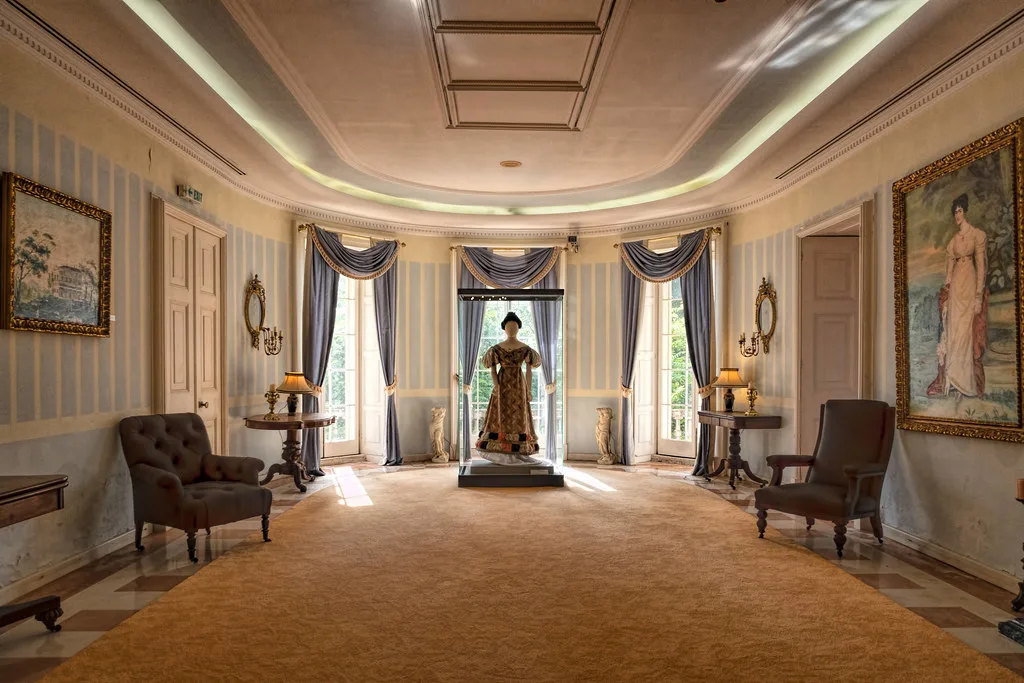
The former palace now holds a museum, and other buildings stand on the estate, though the published material does not describe the interior displays room by room. If the interiors matter to you, look for an official site or museum listing to confirm what is currently on show before you build your day around it.
Prince Philip and the Royal Connection
Prince Philip, Duke of Edinburgh, was born at Mon Repos in 1921, a fact that draws many visitors to the villa. The birth ties the house directly to the Greek royal family's use of the estate during the early 20th century, and it is the single detail most often attached to the building's name.
Beyond the date and the family connection, the sources do not describe a dedicated exhibition, plaque route or ceremonial room, so do not travel expecting a Prince Philip museum inside the villa. Treat the birth as historical context for the house and let the architecture and the archaeology carry the visit.
Palaiopolis and the Archaeological Museum
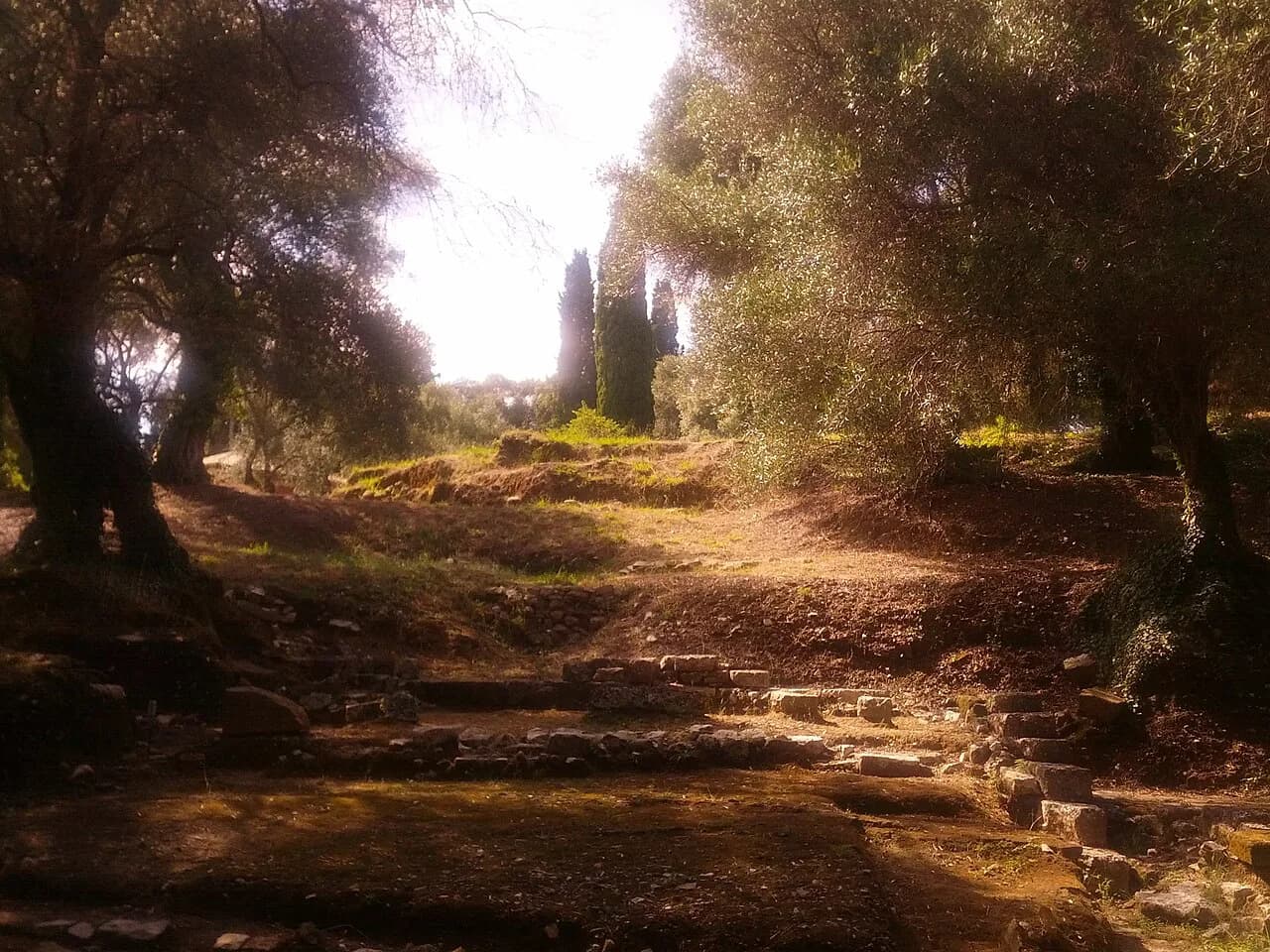
The grounds of Mon Repos encompass ancient Palaiopolis, the city that preceded modern Corfu Town, which is why the estate feels part park and part archaeological site. Remains are distributed across the grounds rather than confined to one roped-off corner, so watch the ground as you walk between the trees.
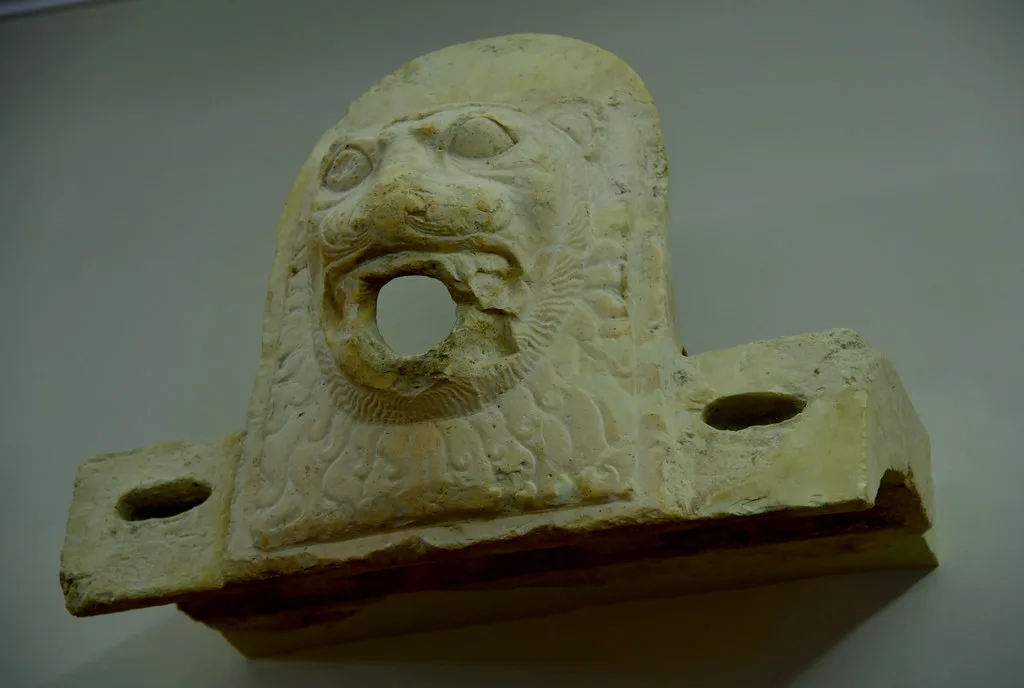
Finds from the site are displayed in the Palaiopolis Archaeological Museum, housed in the estate, which is the natural place to make sense of the ruins outside. If your interest is ancient Corfu, give the museum a proper slot before or after walking the grounds rather than squeezing it in at the end.
The Park: Shaded Paths and Picnic Tables
The park is dense and green, with large trees casting shade across most of the grounds, which makes it a sensible choice on a hot day. Paths vary in surface: some are asphalt roads, others are dirt or rocky, and there are smaller trails between them. Sturdy shoes make the rougher sections comfortable, and the mix of surfaces is the main reason to allow more time than the map suggests.
At one edge of the grounds there are picnic tables set where you can sit and look east, which makes a practical rest stop without depending on a cafe. Bring water if you plan to walk the full circuit, since the published descriptions do not mention refreshment facilities inside the estate.
The Royal Bath: The Shoreline Swimming Spot
A path through the grounds eventually reaches the shore, where the royal family used to swim at a spot often called the royal bath. The feature to look for is a long rock walkway leading out into the sea, from which they would enter the water, rather than a sandy beach in the conventional sense.
Descriptions of the spot stop at its history, and nothing published covers conditions, access or facilities, so approach it as a historical shoreline feature and make your own judgement about entering the water. The walk down also means the return leg is uphill, which is worth factoring in on a warm afternoon.
The estate's position above the seashore on the Kanoni peninsula explains why the grounds reach the water at all, and why the villa's outlook was considered a retreat. Look back toward the trees from the shoreline to see how the house, park and sea fit together.
How Much Time to Allow
A sensible split is the villa museum first, the archaeological remains second and the park and shoreline walk last, because the walk downhill to the royal bath leaves you at the far end of the estate. The sources give no official visit duration, so judge it by what you want: a brisk loop of the grounds takes far less time than a museum visit plus the full path network.
If you only have an hour, choose between the house and the park rather than attempting both, since the grounds are spread across a slope and the villa interiors reward unhurried attention. With a half day, the museum, the ruins and the walk to the shore fit comfortably, with time at the picnic tables in between.
Opening Hours, Tickets and Closures
No opening hours, ticket prices, closure days or booking rules for the palace museum or the estate appear in the available visitor material, so none are stated here. Confirm current opening days, any admission charge and seasonal closures through an official Corfu source or the site before you travel, especially in winter. This is the one detail worth re-checking on the day itself if your trip hinges on seeing the museum.
Nearby Options on the Same Outing
Mon Repos sits close enough to Corfu Town to pair with the town's own sights. One nearby hotel lists the Venetian Old Fortress and the Museum of Far-Eastern Art as neighbours of the town centre, and the old fortress is the obvious companion if you are continuing north after the estate. From Corfu Town, you can compare the castle-heavy day here with the things to do in Corfu across the island.
Around Kanoni itself, the peninsula offers viewpoints over the water and the islets offshore, which suit a slow end to the afternoon after the estate. The wider set of Corfu Attractions: 7 Visitor Guides is useful for choosing what pairs best with a Kanoni morning.
Practical Trade-offs
The main trade-off is museum time against walking time. The villa and the Palaiopolis finds reward readers who linger, but the park and the shoreline path are the reason many people come, and trying to do both thoroughly in a short window leaves you hurrying through the trees. Decide before you enter which one matters more.
The second trade-off is shade against exposure. The grounds are heavily wooded, so the paths stay comfortable in heat, but the shoreline at the royal bath is open and the climb back up is in the sun. A hat and water make the difference between a pleasant descent and a draining one, and the picnic tables give you a reason to pause on the way.
Plan Your Visit
Mon Repos works best when you treat it as three connected stops: the 1826 villa and its museum, the Palaiopolis remains beneath the grounds, and the shaded park that runs down to the royal bath. Check the estate's current opening arrangements before you go, since published visitor details are limited, and set aside enough time to walk the grounds rather than only the house.
From there, Corfu Town and its fortress are a natural continuation of the day. If your plans depend on food as much as sights, the restaurant and market guides on the same site cover where to eat in town after a morning in Kanoni, and they sit alongside ideas like the things to do in Corfu beyond the town centre.
Explore more Corfu sauna guides
Frequently Asked Questions
Where was Prince Philip born on Corfu?
Prince Philip, Duke of Edinburgh, was born at Mon Repos in 1921, in the villa on the Kanoni peninsula south of Corfu Town. The house was used by the Greek royal family as a holiday residence during the reign of King George I and Queen Olga.
Can you visit the Mon Repos estate and palace in Corfu?
The estate is described as open to the public, with a museum in the former palace and a park crossed by walking paths. Current opening days, admission arrangements and any closures are not published in the visitor material available, so confirm them with an official Corfu source before you travel.
How long does it take to walk around Mon Repos?
No official visit duration is published. The grounds are spread over a slope with a mix of asphalt, dirt and rocky paths plus a descent to the shoreline, so a loop of the park takes considerably less time than combining the museum, the Palaiopolis remains and the walk to the royal bath. Allow a half day for all three at an unhurried pace.
Is there a beach at Mon Repos?
There is a shoreline spot where the royal family used to swim, often called the royal bath, reached along a path through the grounds. It is marked by a long rock walkway into the sea rather than a sandy beach, and published sources give no information on conditions or facilities there.
How far is Mon Repos from Corfu Town?
Mon Repos lies on the Kanoni peninsula south of Corfu Town, in a quiet area above the seashore. One nearby hotel puts the town centre about a kilometre from its own address, which gives a sense of the scale, but confirm your own route and transport options before setting out.
Is the Mon Repos Palace Hotel the same as the palace?
No. The Mon Repos Palace Hotel is a separate business in the area, not the historic villa and not a building inside the estate. When navigating, aim for the estate entrance in Kanoni rather than a hotel address.