
Maritime Museum of Crete (Chania): What to See at Firkas Fortress
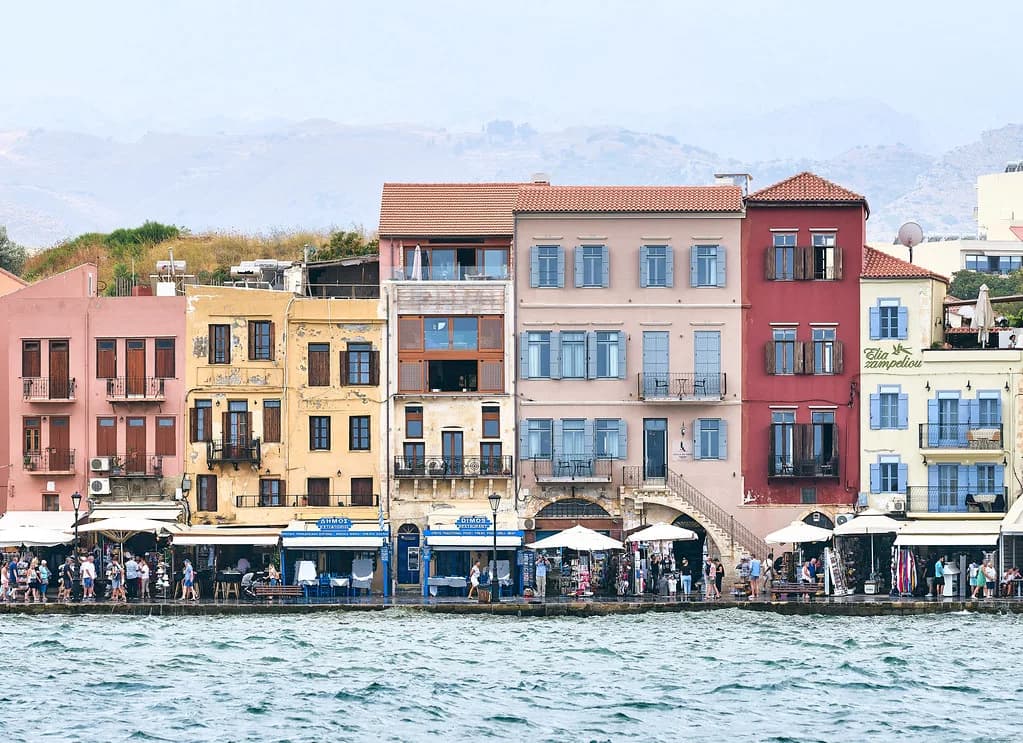
The Maritime Museum of Crete, or Ναυτικό Μουσείο Κρήτης in Greek, sits at the entrance of Firkas Fortress on the northwestern side of Chania's old harbour. Its main galleries fill the central building of a Venetian fortification the Venetians called the Revellino del Porto, built to guard the port. That setting makes it one of the few museums in Greece where the building and the collection tell the same story about the sea.
Plan for two separate stops rather than one. The fort holds the main two-floor display of Cretan and Greek naval history, while a second permanent exhibition on ancient and traditional shipbuilding occupies one of the Neoria Moro, the Venetian ship sheds at the inner end of the old port. Knowing this in advance prevents the common disappointment of arriving at the fort and wondering where the shipbuilding rooms are.
Where the Museum Is in Chania
The museum is in the Old Town of Chania, on the northwestern edge of the Venetian harbour, and its entrance is inside Firkas Fortress. Use the fort and the harbour front as your landmarks: once you reach the water's western side, the museum is the building within the fort walls rather than a standalone address on a street. The fort itself is a surviving piece of the Venetian harbour defences, so the approach is part of the visit.
For orientation across the wider city, the Chania Attractions: 8 Visitor Guides collection maps the main sights by neighbourhood, which helps you judge how the museum fits into a day of walking. It is worth noting that the museum has two sites: the fort galleries and the ship-shed exhibition at the head of the harbour. Treat them as bookends of a harbour walk rather than a single room.
Getting There on Foot from the Harbour
Arriving on foot is the practical option, because the old harbour and the lanes behind it are a pedestrian zone where driving and parking are awkward. From the harbour front, walk along the waterfront toward the fort at the western end, pass the mosque and the quay, and climb into the fort enclosure. The lanes of the old town funnel toward the same water, so any route that reaches the harbour will bring you within sight of the fort.
Allow extra time for the walk itself, especially in summer heat or when cruise traffic fills the quay. Estimate from your own pace and treat the stroll along the harbour front as part of the outing. If you are arriving by bus or taxi, ask to be dropped near the old harbour rather than at a street address, then walk the last stretch.
The Building: A Venetian Harbour Fort
The museum's core is the Revellino del Porto, a fortification the Venetians built on the northwestern side of the harbour to protect the port. The museum's official history notes that this central fort building now houses the main body of the collections across two floors. That detail matters for pacing: the galleries are stacked, so you climb through the displays rather than circle one large hall.
Look at the fabric of the building as you move between rooms, since the thick walls and vaulted spaces are original defensive architecture rather than museum scenography. The fort also gives you a vantage point over the harbour, which is why many visitors combine the galleries with a few minutes on the exterior walls. The fortress exterior and harbour front are covered in more detail in the guide to old town chania if you want to plan the surrounding walk.
What to See on the Two Floors
Start with the foyer rooms on Venetian rule, which cover the period from 1204 to 1669 and include period models of forts and a model of Chania itself. These models are the quickest way to understand how the harbour defences, including the fort you are standing in, were laid out. Seeing the town model before walking the streets afterward makes the later stroll more legible, so resist the urge to skip this room.
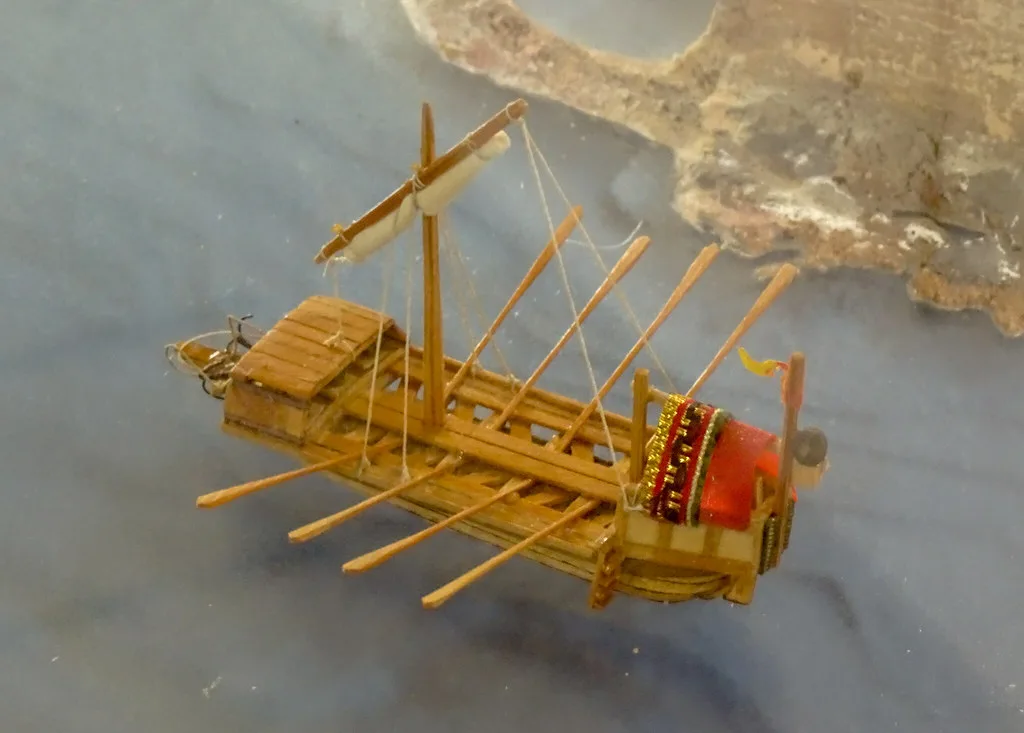
Next come the shipwreck displays: shelves of seashells and amphorae, the two-handled ceramic jars used to carry oil, wine and other goods in antiquity, recovered from ancient wrecks. After that the exhibits trace ship design from the Bronze Age through Roman times with vessel models, which sets up the Minoan ship replica. The replica is based on a Bronze Age design and was sailed experimentally between Crete and Athens in 2004 to test whether such a voyage was feasible, which is the reason the prehistoric room deserves more than a glance.
Modern Naval History and the Battle of Crete Hall
The upper narrative shifts to modern conflict, with portraits of admirals and captains from the Greek War of Independence of 1821 to 1832, then photographs, ship models and battle plans from the Balkan Wars of the early twentieth century. An entire hall is devoted to the Battle of Crete, the 1941 German airborne invasion that Greek, British, Australian and New Zealand troops and Cretan civilians resisted for twelve days before the Allies evacuated. Photographs, weapons, models and sound recordings carry that story, alongside a replica World War II torpedo boat and a model of a destroyer's bridge.
This hall is the part that decides whether the museum earns an hour of your harbour time. If you have an interest in the 1941 campaign, the combination of objects and audio is the strongest reason to come; if your priority is scenery and tavernas, the collection is modest enough that you may prefer to walk the walls instead. The museum's own thematic section list on its site names the Battle of Crete exhibition separately, so you can check what is currently on display before committing.
The Neorio Moro Shipbuilding Exhibition
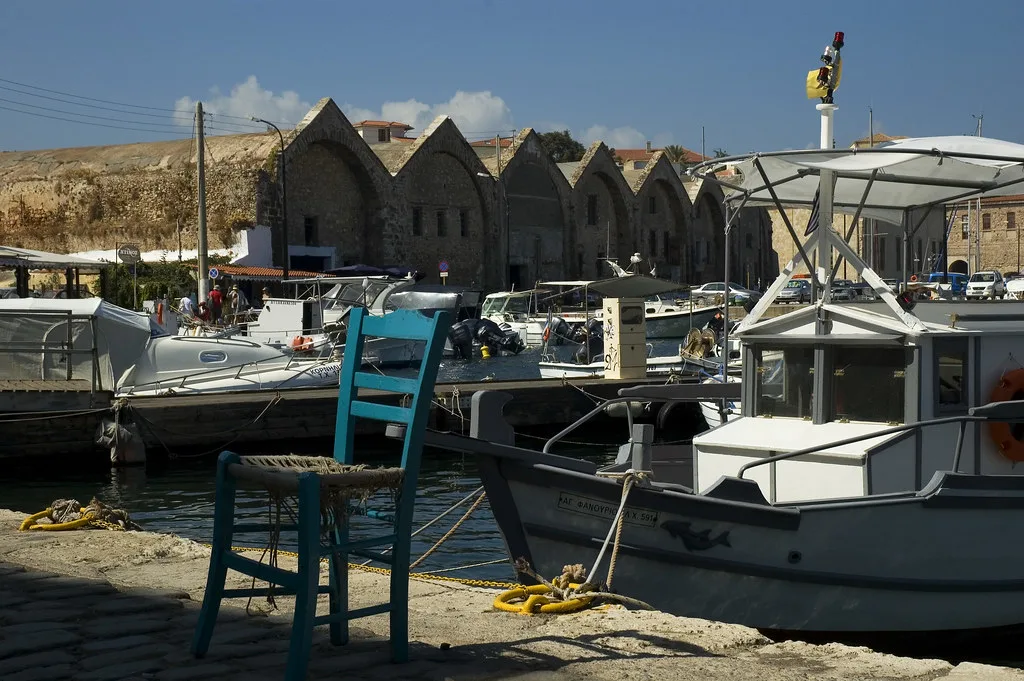
The second site is a Venetian neorio, or ship shed, at the head of the old port. Venice ordered ship-repair sheds at Chania's harbour in 1467, sixteen had been built by 1593, and construction of the Moro sheds began in 1607; one of them now holds the museum's permanent exhibition of ancient and traditional shipbuilding. The museum notes that the shed was partly restored with help from public bodies and private donors. Seeing shipbuilding tools and techniques inside a working ship shed closes the loop with the ship models in the fort.
Because the shipbuilding display is a separate building, check on arrival whether it is open on the day of your visit rather than assuming the two sites share access. The Venetian Shipyards area around the inner harbour is also worth a slow pass on its own, with the arched sheds giving a clear picture of how the port worked. Plan the fort first, then walk the harbour to the sheds.
How Long to Allow and a Walking Order
A sensible order is fort first, harbour walk second, sheds third. Two compact floors of exhibits reward about an hour for a focused visitor, longer if the Battle of Crete hall holds your attention, and the walk between the two museum sites plus the shipbuilding shed adds time on top. Build in a buffer for the harbour itself, because the lighthouse, quay and lanes will slow you down.
If your time in Chania is short, treat the fort as the fixed stop and the shed as optional depending on how the day is going. The reverse works too: travellers who care most about boats and traditional craft can prioritise the shipbuilding display and treat the fort galleries as a shorter pass. Either way, do not schedule the museum and a long harbour meal back to back without slack, since the walking between them is the real time cost. If you find yourself weighing a similar mix of sights and long lunches elsewhere in Greece, our Rhodes food guide applies the same trade-off to that island's old town and coast.
Tickets, Opening Hours and Guided Visits
The museum publishes a dedicated page for opening hours, tickets and guided tours on its official site, and that is the page to read before you go. Published third-party descriptions state that admission charges apply, with discounts for students and free entry for children under six, and that the museum is open daily except public holidays, but these details change and should be confirmed at the source. Check the official visitor information page for current hours, prices and tour times rather than relying on an outdated listing.
For families, the model ships, the destroyer bridge replica and the Minoan vessel tend to hold children's attention better than the portrait rooms, which makes a shorter circuit with young ones realistic. Ask at the desk about any guided visit or educational programme when you arrive, since the museum runs educational activities and its schedule is published on its own site.
Nearby: Fort Walls, Harbour and Old Town
The fort exterior and its walls are free to walk and give the best view back over the harbour and the chania lighthouse at the opposite mole. Pair the museum with a circuit of the walls for a natural half-day, since you are already at the highest point on this side of the port. The Venetian sea wall and lighthouse deserve their own look at dusk, when the harbour lights come on.
Back in the lanes, the archaeological museum chania and the cathedral sit within easy walking distance of the harbour, giving you options for the rest of the day without another trip. If you want a single page that gathers the neighbourhoods and sights, the things to do in chania guide covers the wider picture, including how the harbour area connects to the rest of the old town.
Trade-offs: Museum Time Versus Harbour Time
The main trade-off is between the galleries and the harbour itself. The museum rewards travellers curious about Crete's naval past, the Battle of Crete and shipbuilding, but it is not a large institution, so a harbour purist may prefer to spend the same time on the quay and the lanes. Decide before you enter whether you want a full circuit or a focused pass, because the two-floor layout makes it easy to lose an hour without noticing.
A second trade-off is the pair of sites: the fort is central and unavoidable on a harbour walk, while the ship shed sits at the head of the port and requires a deliberate detour. If you only have time for one, choose the fort for breadth and the shed for craft and ships. Confirm tour availability at the museum if you want a guided visit.
Plan Your Visit
The Maritime Museum of Crete works best as part of a harbour walk: enter the fort, climb through two floors of naval history, then follow the water to the Neorio Moro sheds for the shipbuilding display. Confirm hours, ticket prices and tour times on the museum's official visitor information page on the day before you go. Build in time for the walls and the lighthouse, since they are the reason this corner of Chania is worth an unhurried visit.
Explore more Chania sauna guides
Frequently Asked Questions
Is the Maritime Museum of Crete worth visiting?
It is worth it if you care about Crete's naval past, the Battle of Crete or historic ship design. The two floors of the fort cover Venetian rule, ancient shipwrecks, the Minoan ship replica and the 1941 campaign, and a second display in a Venetian ship shed at the head of the port covers shipbuilding. Travellers whose priority is harbour scenery and tavernas may prefer to keep the museum short.
Where exactly is the Maritime Museum in Chania?
It is inside Firkas Fortress on the northwestern side of Chania's old harbour, in the Old Town. The main galleries occupy the central building of the Venetian Revellino del Porto fortification, so use the fort and the harbour front as your landmarks rather than a street address.
How long does it take to visit the Maritime Museum of Crete?
Allow roughly an hour for the fort galleries at a focused pace, longer if the Battle of Crete hall interests you. Add time for the walk along the harbour to the Neorio Moro shipbuilding exhibition, and build in a buffer for the waterfront itself. The museum does not publish a fixed recommended duration.
Is the shipbuilding exhibition in the same building?
No. The permanent exhibition of ancient and traditional shipbuilding is in one of the Venetian Neoria Moro, the ship sheds at the head of the old port, separate from the fort galleries. Check on arrival whether it is open that day and plan the harbour walk between the two sites.
What are the opening hours and ticket prices?
The museum publishes its opening hours, ticket prices and guided tour details on its official site, which is the best place to check before your visit. Third-party listings mention admission charges with student discounts and free entry for some visitors; rely on the museum's own information.
Is the Maritime Museum suitable for children?
Model ships, the destroyer bridge replica and the Minoan ship replica tend to appeal to children more than the portrait rooms, so a shorter circuit works well with young visitors. Ask at the desk about guided visits or educational programmes when you arrive, since the museum runs educational activities listed on its own site.