Mykonos Wedding Guide: Venues, Seasons, and Paperwork
Plan a Mykonos wedding with this guide to venue types, ceremony sizes, seasonal timing, permit paperwork, and what to confirm before you book.
On this page
Mykonos wedding planning starts with one decision that shapes everything else: which kind of ceremony you actually want. A civil ceremony, a Greek Orthodox church wedding, and a symbolic blessing on the beach look similar in photographs but involve very different paperwork, officiants, and lead times. Sorting that out first saves you from comparing venues that can only host one of the three.
The second decision is the venue, and here the island rewards a clear guest count. Small ceremonies can use a resort terrace or pool deck, while larger parties need a beach setting, a traditional venue, or a private villa with room to spread out. The trade-offs between sea view and value are real, and they usually show up in flexibility rather than in the headline quote.
Civil, Church, or Symbolic: Three Ceremony Routes
A civil ceremony is the legally binding route in Greece, conducted by an authorised official rather than a priest, and it typically requires documents such as birth certificates, proof of single status, and translations or apostilles depending on your home country. In practice this means starting the paperwork months ahead, and the exact list changes, so ask the Greek embassy or consulate in your country and the local registry office on Mykonos for the current requirements rather than relying on a venue's summary.
A Greek Orthodox wedding is a religious service, and it generally requires at least one partner to be baptised Orthodox plus the agreement of the local parish and bishop. Couples without that connection usually cannot book a church ceremony on the island, so if a chapel is central to your plans, raise it with the parish early. A symbolic ceremony has no legal weight and no document list; it is a celebrant-led blessing, which is why it is the easiest route to arrange on short notice.
The practical upshot is that symbolic ceremonies dominate the beach and villa market, civil ceremonies happen at approved locations with an officiant, and church weddings are limited to couples who meet the religious conditions. Ask any venue which of the three it can actually host before you discuss menus or flowers. That question alone narrows the shortlist faster than a dozen site visits.
Venue Types on the Island and What Each Gives You
Mykonos venues fall into four broad groups: resort and hotel settings, open beach locations, traditional venues, and private villas. The island genuinely offers all four, from beaches and hotels to traditional spaces and private villas, and the range is what makes choosing harder rather than easier, as one venue directory notes. Each type carries a different balance of control, cost, and logistics.
A hotel or resort venue bundles ceremony space, catering, staff, and often accommodation for guests into one contract, which removes coordination work but reduces flexibility on suppliers. A private villa gives you the run of the property and more freedom on photographers and decor, yet you inherit the catering, staffing, and transport arrangements yourself. Traditional venues sit in between, often with character and a town location but limited capacity.
One concrete resort example is Radisson Blu Euphoria Resort, Mykonos, on the southern side of the island near Kalo Livadi beach. It positions itself for small ceremonies of up to 25 guests, with vows taken by the pool or at the restaurant area, and it advertises a tailor-made five-course dinner and a spa package for two as wedding features. For a couple planning a compact destination wedding, that stated limit is the single most useful number on the page.
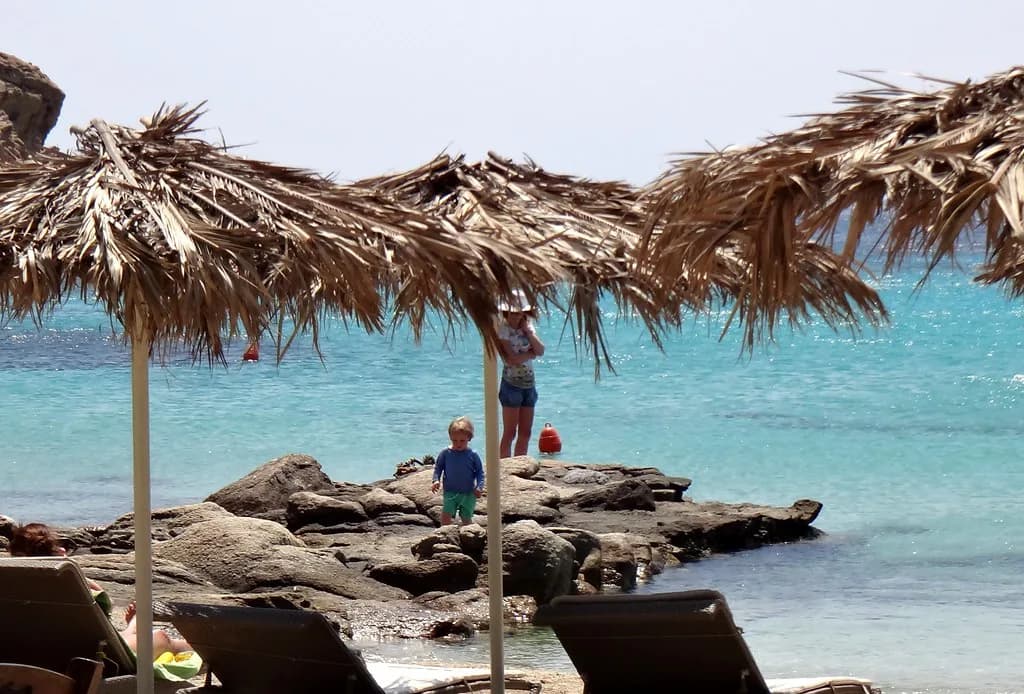
Beach settings like Kalo Livadi appeal for the open horizon and the photographs, but they bring wind, sand, and access questions that a terrace avoids. Guests in formal dress on a beach need shade, seating, and a plan for heels; a resort pool deck solves those problems without a view sacrifice. Weigh how much of the day you want to spend managing the setting against how much the setting itself matters.
Deciding by Guest Count
Guest count is the filter that makes the rest of the planning tractable. A 20-guest ceremony can use a pool terrace or a restaurant area, while a 120-guest wedding needs a beach or villa with parking, transport, and enough shade for everyone. Settle on a realistic number, including plus-ones and children, before you request quotes, because capacity determines which venues are even in play.
Small ceremonies have a hidden advantage: venues designed for them tend to include more per guest, and the couple deals with fewer moving parts. The Kalo Livadi resort's 25-guest ceiling is a clear example of a venue that has chosen to stay small rather than scale up. If your list might grow, be honest about it now, because moving from a small venue to a large one late in planning usually means starting the search again.
View Versus Value: What a Sea View Costs You
Sea-view and beach-front settings are the reason many couples choose Mykonos, and they usually cost more in flexibility than in any single line item. View venues can dictate the ceremony time around the light, restrict outside suppliers, and set guest minimums to protect their margin. An inland or village venue may give you a later start, freer choice of photographer, and room to negotiate.
The trade-off is not only money. A beach-front table for the reception often comes with a tight sunset window, so the schedule has to serve the view rather than the other way around. If the view is the point of the wedding, accept the constraints and plan the timeline around them; if the party matters more, an inland venue with a generous terrace can be the better buy.
Timing Around the Island's Season
Mykonos has a pronounced season, and the shoulder months on either side of high summer bring fewer crowds and softer heat alongside a real risk that a specific venue is not operating. Island businesses commonly close for the off-season, roughly November to April, but that is a general pattern, not a guarantee for any one hotel or restaurant. Confirm the operating dates of your chosen venue directly instead of assuming it will open for your date.
Peak summer delivers the fullest choice of venues and the busiest calendar, so popular dates go early and quotes firm up rather than soften. Shoulder-season weddings need a backup conversation: ask whether the venue can host your date, what happens to a deposit if it cannot, and whether its kitchen and staff will be at full strength. That conversation protects you far more than a provisional hold on a date nobody has confirmed.
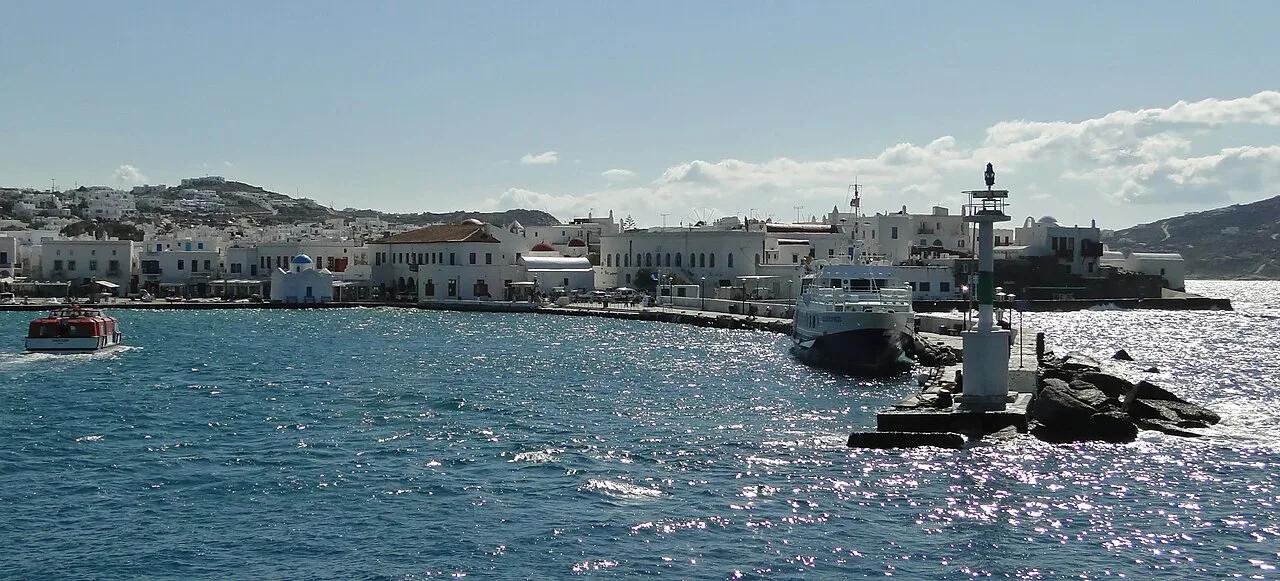
Reading a Package Quote Line by Line
A Mykonos wedding package quote is a list of inclusions, and the comparison only works if you match it item by item. Check the ceremony space and how many hours it covers, the catering format and whether drinks are included, the decor and furniture supplied, and any guest minimum or spend threshold. A quote that looks higher may include the chairs, the sound system, and the cake that a cheaper one charges separately.
Ask for the quote in writing with exclusions listed as carefully as inclusions. Questions worth asking: is the ceremony fee separate from the reception, who supplies the officiant or celebrant, what happens if it rains, and what deposit and cancellation terms apply. Getting these answers before signing turns a glossy package into a contract you can actually compare.
Legal and Paperwork Overview
For a legally recognised wedding in Greece, the civil route is the one most international couples use, and it hinges on documents prepared in your home country before you travel. Expect to need valid passports, birth certificates, evidence of marital status, and certified translations or apostilles, with the exact requirements set by Greek authorities and your own country's rules. Because these lists change, get the current requirements from the Greek embassy or consulate and the local registry office rather than a wedding website.
Church weddings add a layer of religious documentation and parish approval on top of the civil paperwork, and some couples complete the legal civil ceremony separately from a religious blessing. Whatever route you choose, build a buffer of several weeks for translations and appointments, and keep digital and paper copies of everything. A planner can help assemble the file, but the responsibility for its accuracy stays with the couple.
Budget Reality Check
Published figures for Greek wedding costs vary enormously by guest count, venue type, and season, and no single number reliably describes a Mykonos wedding. Rather than anchoring to a headline average, build your own estimate from confirmed inclusions: ceremony fee, per-guest catering, drinks, decor, photography, music, and transport. Then add the costs that quotes often omit, such as guest transfers, accommodation, and legal document preparation.
Trip costs for guests deserve their own line in the plan. Flights, ferry seats, and rooms during peak season are where a destination wedding budget quietly grows, so give guests an early sense of the outlay and the dates. The island's general price level is worth understanding before you set expectations. If you want a comparison point for another Cycladic island, a Naxos wedding guide shows how the same decisions play out with a different cost base.
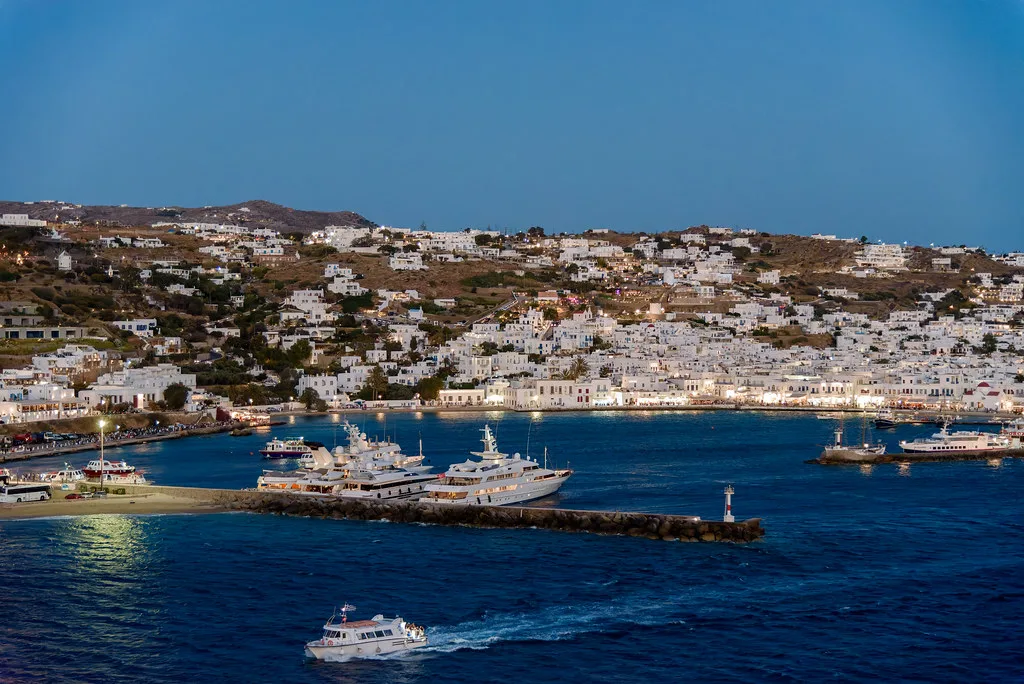
Getting Guests to the Island and the Venue
Guests usually arrive by plane or ferry, and the choice affects both cost and timing on the day. Plan transfers from the port or airport to the ceremony venue in advance, especially for a beach location like Kalo Livadi on the southern side of the island, where taxis and parking are limited in high season. A coach or minibus for the group is often simpler than a fleet of cars.
Accommodation near the ceremony reduces the logistics burden, but many guests will want to be near Mykonos Town for restaurants and evenings out. A split arrangement, with the wedding party close to the venue and guests in town, works if you provide transport on the day. Share a simple map and timetable with the invitation so nobody is guessing where to be and when.
Adding a Meal or an Activity to the Wedding Weekend
Destination weddings usually spill into a welcome dinner, a day-after lunch, or a group activity, and Mykonos has plenty of options for all three. For a relaxed gathering, the island's tavernas and beach restaurants cover everything from grilled octopus to slow-roasted lamb, and a table booked well ahead is the simplest way to feed a group. Cuisine decisions are easier once you know the local dishes by name.
A cooking class can work as a group activity for the wedding party, especially in the shoulder months when the weather is less certain. Alternatively, a food tour of Mykonos Town gives guests a sense of the place on the first evening and doubles as an icebreaker. Either way, book group activities early and confirm numbers and any dietary needs with the provider.
If the wedding party wants a smarter dinner the night before, Mykonos has a fine-dining scene worth booking ahead, and sunset tables need reserving further out than lunch. Guests staying near the main town will find Matoyianni Street convenient for an evening stroll between courses. For plain-language explanations of local dishes before the trip, a guide to the island's food covers the essentials.
A Pre-Booking Checklist for a Mykonos Wedding
Before you sign anything, confirm the ceremony type and who officiates, the venue's stated capacity and guest minimum, and its operating dates for your intended month. Ask what the package includes and excludes in writing, the deposit and cancellation terms, and the plan if weather forces a change. Then check the paperwork route with the Greek authorities and your own embassy, and give yourself weeks rather than days for documents.
Finally, walk the whole day in your head: arrival, ceremony, photographs, meal, and departure, with times and transport for each. Any gap you cannot fill on paper is one you will be solving on the island. Nail those details before booking and you keep the planning stress out of the wedding itself, and the same discipline pays off when you build the rest of the trip around the ceremony with our guide to things to do in Mykonos.
Plan Your Visit
A Mykonos wedding comes down to matching the ceremony type to your paperwork reality, the venue to your guest count, and the setting to the budget you can actually confirm. Start with the civil, church, or symbolic question, then use the 25-guest example at Kalo Livadi to calibrate what small really means. From there, the venue list narrows quickly.
Build your own quote from confirmed inclusions, verify operating dates and documents directly with the venue and the authorities, and give guests clear logistics well before the day. A calm, well-documented plan leaves you free to enjoy the island itself, which is the point of getting married there.
Explore more Mykonos sauna guides
- Best Gyros in Mykonos
- Brunch in Mykonos
- Fine Dining in Mykonos
- Mykonos Olive Oil Tasting
- Restaurants in Ornos, Mykonos
- Sunset Restaurants in Mykonos
- What to Eat in Mykonos
- Is Mykonos Expensive? A Realistic Look at What You'll Spend
- Mykonos Churches
- Mykonos History
- Where to Watch the Sunset in Mykonos
- Mykonos Attractions
Frequently Asked Questions
Do we need to be in Greece to arrange the paperwork for a wedding on Mykonos?
Not necessarily, but do not assume everything can be done remotely. Requirements are set by Greek authorities and depend on your nationality, so ask the Greek embassy or consulate in your country about the current process and any in-person appointments before you book travel.
Can we have a legal ceremony on the beach?
A legally binding ceremony in Greece must be conducted by an authorised official at an approved location, and beach settings are often used for symbolic blessings instead. Ask any beach venue directly whether it can host a civil ceremony and who would officiate.
How far in advance should we book a Mykonos wedding venue?
There is no fixed rule, but peak summer dates are the first to go, so start enquiries as soon as your guest count and budget range are settled. Shoulder-season dates give more room to negotiate, provided you confirm the venue is operating then.
What does a five-course dinner mean at a resort wedding?
At the Radisson Blu Euphoria Resort on Mykonos, the published wedding features mention a tailor-made five-course dinner overlooking the Aegean Sea. Ask the venue for the current menu and what drinks and service are included before you compare it with other quotes.
Can guests stay at the wedding venue?
Some resort venues offer accommodation on site, which simplifies logistics for the wedding party. Ask whether rooms can be blocked for your guests and what the booking terms are, then compare that against hotels near the ceremony.
Is a symbolic ceremony enough if we want a small beach wedding?
Yes, if you are happy to complete the legal paperwork separately, either at home or through a civil ceremony in Greece. A symbolic blessing avoids the document requirements of a legal wedding, which makes it easier to arrange on shorter notice.
What should we check in a venue contract?
Look for the stated capacity and any guest minimum, exactly which spaces and hours are included, what happens in bad weather, the deposit and cancellation terms, and whether outside suppliers are permitted. Get these in writing.
Sources
Notes for eating well in Greece
Optional updates to our guides.
You might also like
Continue reading
More guides you'll find useful