Rhodes Cooking Class: How to Choose One and What to Expect
A practical guide to choosing a cooking class on Rhodes, covering what a session usually involves, where classes run and what to check before booking.
On this page
A cooking class slots neatly into a Rhodes itinerary because the island's food culture is tied to the same villages and landscapes you came to see. The catch is that sessions differ a lot: some are hands-on kitchen work, others lean on watching and tasting, and the setting can be a town studio or a rural kitchen reached by car. Reading the listing closely saves you from paying for a format you did not want.
A good rule is to decide your format first, then your location, then your date. Most Rhodes trips use Rhodes Town or Lindos as a base, and a class in a mountain village such as Apollona or Embonas can easily swallow half a day in transfers. The sections below cover what a session usually involves, the dishes to expect, the town-versus-village trade-off and what to confirm before paying.
Why a Cooking Class Fits a Rhodes Trip
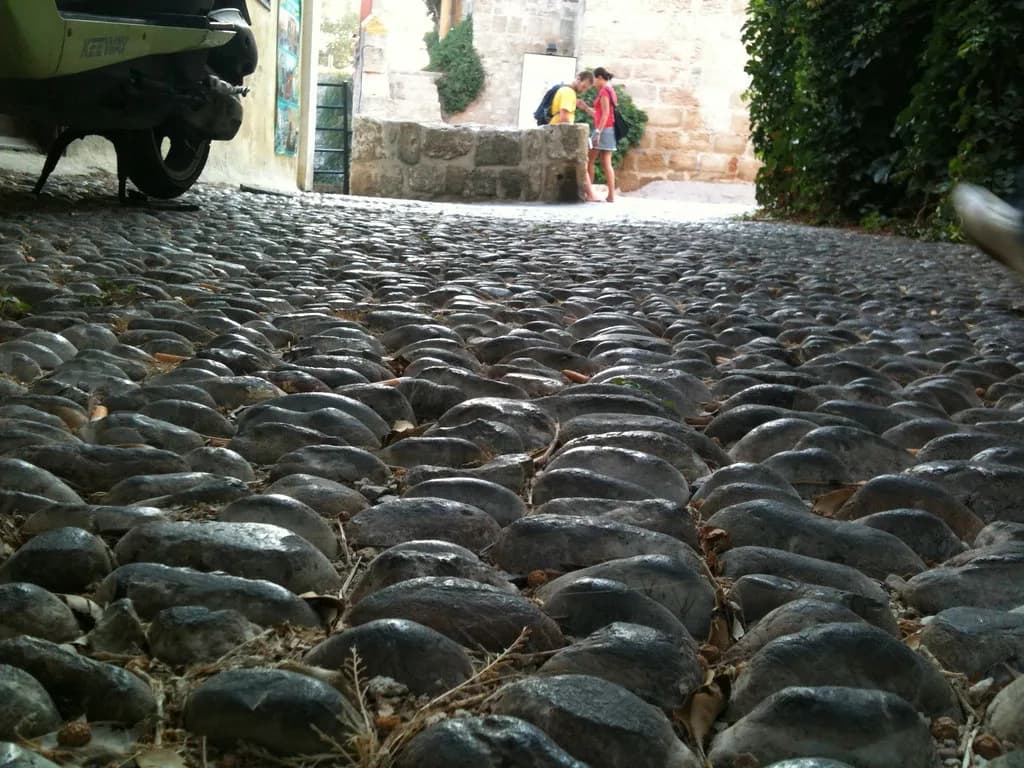
Rhodes rewards travellers who mix history with eating. The Old Town is a UNESCO World Heritage Site of cobbled lanes, the Palace of the Grand Master and the Street of the Knights, and walking it builds an appetite that a hands-on session satisfies better than another museum. It also gives you a vocabulary for the rest of the trip: once you have made dolmades or a herb bake yourself, taverna menus read differently.
Rhodes is the largest of the Dodecanese islands, so distances between sights are real. Many visitors base themselves in Rhodes Town and day-trip to Lindos, roughly an hour down the east coast, or to the wine village of Embonas in the interior. A class is easiest to schedule on a day you are not also trying to see the Acropolis of Lindos and swim at St Paul's Bay.
The island's kitchens draw on layers of influence, from Ottoman and Venetian rule to Italian occupation, which is why Rhodian dishes often carry spices you would not expect in plainer Greek cooking. Local cooks also work with what is close at hand: olive oil pressed at home, caper leaves, wild greens and honey. A class is a way to understand that pantry rather than just eat the result.
What a Typical Rhodes Cooking Class Involves
Most sessions follow a similar arc: an introduction to the ingredients, some preparation work, cooking, and a shared meal at the end, often with local wine. A few include a market or shop visit first so you see the raw produce, which is more useful if you plan to cook the dishes again at home. Ask whether the meal is the dishes you made or a separate spread, because the two are not the same experience.
Rhodes Cooking Class is one company that markets hands-on Greek cooking with fresh ingredients and wine served alongside, but the details of any individual session are set by the organiser. Check the Rhodes Cooking Class website for the current menu, group size and length rather than relying on a summary, and read recent reviews for how much chopping and cooking guests actually did.
If you are comparing options on a booking platform, treat the listing as a starting point rather than the whole picture. Availability calendars and reviews help, but the format, meeting point and what is included are usually confirmed by the provider. Screenshot the confirmation or keep the email handy for the meeting point, since Old Town lanes are easy to get lost in.
Village Kitchens Versus Town Kitchens
A village-based class trades convenience for context. Apollona, in the island's interior, is home to a women's cooperative that bakes traditional sweets and sells local produce, and Paraga, a rustic open-air taverna in the same village, cooks Rhodian classics such as goat stifado in a sealed clay pot. A class in that setting usually comes with a drive of around an hour from Rhodes Town each way, so it works best on a day when you are already heading inland.
A town-based session in Rhodes Old Town or the new town is simpler to reach on foot and fits around sightseeing. The trade-off is atmosphere: you gain convenience and lose the sense of cooking with village produce in the place it grows. If you only have one full day in Rhodes Town, a town kitchen is the sensible choice; if you have a car and a spare day, the village option is worth the drive.
Lindos is the other obvious base, and its steep lanes and hilltop acropolis make it a full day in themselves. A class near Lindos can be paired with the village, but check travel time carefully, because the road south is slow in high season. Mavrikos, on Lindos' main square, is a family-run restaurant that has been in the same hands since 1912, useful to know if you want a separate meal rather than cooking your own.
Dishes You Are Likely to Make
Pitaroudia are small chickpea fritters, usually with onion, herbs and sometimes tomato, and they appear on Rhodian menus in both simple and cheffed-up forms. They are forgiving to make, which is why they turn up in classes, and they teach you how a humble pulse becomes a crisp, savoury snack. Ask whether the class fries them or bakes them if the cooking method matters to you.
Dolmades are vine leaves stuffed with rice and herbs, sometimes with meat, and in Rhodes the leaves often come from local vines. Stifado is a slow-braised stew, usually with wine, cinnamon and small onions, and the Rhodian goat version is traditionally cooked overnight in a sealed pot. These are long-cook dishes, so a class may demonstrate the technique and serve a pre-cooked version rather than starting from scratch.
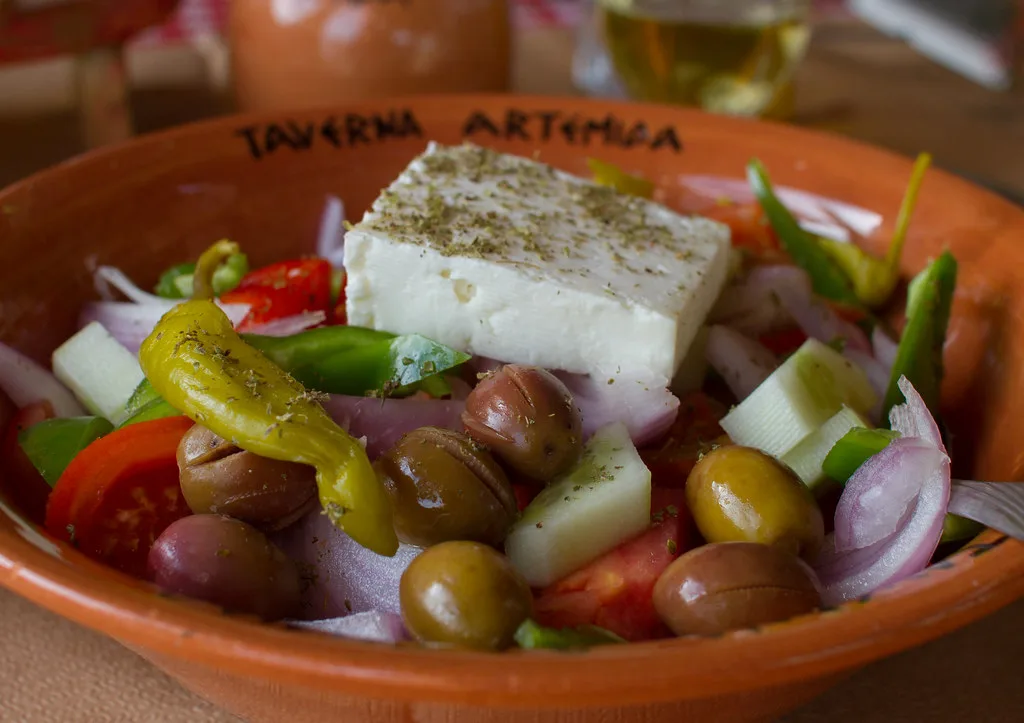
Pispili is a vegetable and herb bake, historically a field worker's snack, and modern Rhodian kitchens serve colourful versions with roots, almonds, pomegranate and olives. Melekouni is a sticky sesame and honey sweet that travels well and makes a sensible souvenir. Expect classes to lean on vegetables, pulses and herbs rather than expensive cuts of meat, which is part of why Rhodian home cooking is so practical.
Rhodian Ingredients Worth Knowing
Olive oil is the backbone of the kitchen, and many households press their own; a class may include a tasting of a village oil alongside the cooking. Olive oil is sold in tins at the cooperative in Apollona, which is easier to carry home than glass. Caper leaves, which are the leaves rather than the buds, are used as a seasoning in salads and stews.
Souma is a strong spirit distilled from grape residue, similar in spirit to ouzo or Italian grappa, and Siana is a village known for it and for honey. A class may include a small tasting, but do not assume it: ask about drinks in advance. Rhodian wine is worth exploring too, with Mandilaria, Athiri and Assyrtiko among the grapes grown locally.

Reading Listings Carefully: Group Size, Duration and Language
The listing should state the group size, the length of the session and the language of instruction, and those three details change the experience more than the menu does. A small group means more hands on the chopping board; a large one can slide into watching and tasting. If instruction in English is essential to you, get it in writing from the school before booking rather than trusting a review in another language.
Dietary requests are best raised before payment, not at the kitchen door. Vegetarian and vegan options are common in Greece because the cooking is vegetable-heavy, but a class built around a meat stew may not adapt easily. Email the provider with your needs, keep the reply, and ask whether substitutes are prepared separately.
Prices and What They Usually Include
Cooking classes on Rhodes are individually priced by their operators, and this guide does not quote figures because they change season by season and often depend on group size and menu. Treat any price you see online as a starting point and confirm what it covers: ingredients, use of aprons and equipment, wine with the meal, and transport if the kitchen is outside town.
If you want to use prices as a budgeting benchmark, look at restaurant menus rather than class listings. One Rhodian tapas restaurant, Piatakia, advertises an eleven-course menu at twenty-four euros, a figure worth checking with the restaurant itself rather than planning around it. If you note only one caveat here, make it that prices in Rhodes shift between seasons and lists go stale.
Booking in Summer Versus the Shoulder Seasons
July and August are the busiest months on Rhodes, and the island absorbs more than a million visitors a year, so small-group cooking classes fill early. Book before you travel if your dates are fixed, especially if you want a particular village kitchen or a weekend session. Shoulder months such as May, June, September and early October are both cooler and calmer for standing over a stove.
The wider pattern on the island is that many restaurants and hotels shut from late October until April, and rural providers follow the same rhythm more closely than town businesses. That has a direct effect on class availability in winter: the villages around Apollona and Embonas are much quieter. Check the booking calendar rather than assuming a class runs year-round.
Practical Logistics: Transfers, Cars and Combining a Class With Lindos or Embonas
If your class is outside Rhodes Town, plan how you will actually get there. Buses run to the main villages but not always at class times, so a rental car or an included transfer is often the deciding factor. Ask whether pickup is offered, whether it costs extra and where the meeting point is; a village square is easier to find than an unnamed farm track.
Combining a class with sightseeing is best done by geography. Embonas, in the wine country of the interior, sits on the same roads as Apollona, so a morning of cooking and an afternoon of wine tasting is a logical pairing. Lindos, on the east coast, goes naturally with its acropolis and beaches rather than with a mountain village class on the same day.
Parking in Rhodes Old Town is restricted, and driving into the medieval lanes is not an option, so if you are staying in town, leave the car outside the walls. The bus station in the new town serves the main island routes, which is worth knowing if you plan to combine classes with public transport. Build in slack for the drive back before dinner.
How to Avoid a Demonstration-Only Session
The clearest signal is in the wording: hands-on, participatory and make-your-own mean you will cook, while demonstration, show and tasting mean you will mostly watch. If the description is vague, email a direct question about how many dishes each guest prepares and whether a station is provided. A quick reply with specifics is itself a good sign.
Reviews are useful here if you read for actions rather than adjectives. Look for phrases about chopping, kneading, rolling vine leaves or working at a stove, and be wary of listings that dwell entirely on the host's personality and the meal at the end. Photos of long tables with no work surfaces are a hint that the session is a demonstration or dinner format.
Pairing a Class With Other Rhodian Food Stops
Beyond the class itself, Rhodes has a handful of food stops worth building around. The Apollona women's cooperative sells olive oil, sweets and local products in the village where Paraga cooks its slow-braised dishes. In Embonas, the mountain village is known for its wine, and a modest tasting with local snacks is a good complement to a cooking morning.
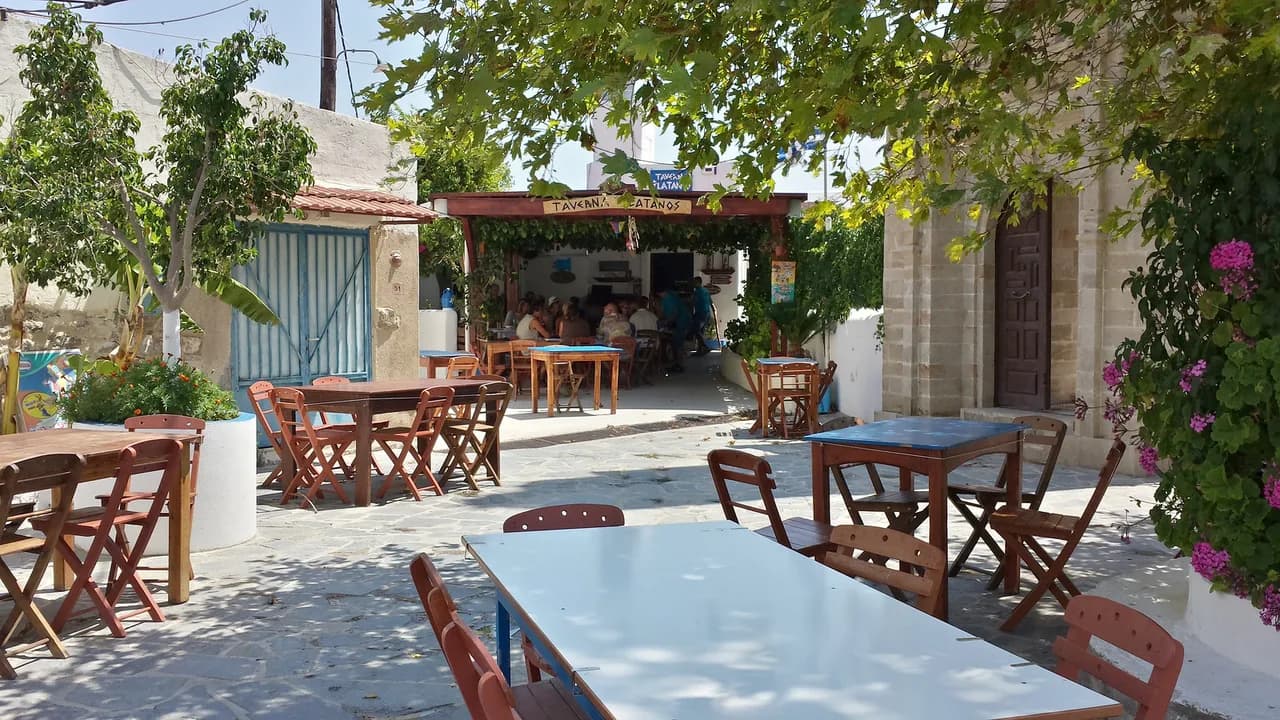
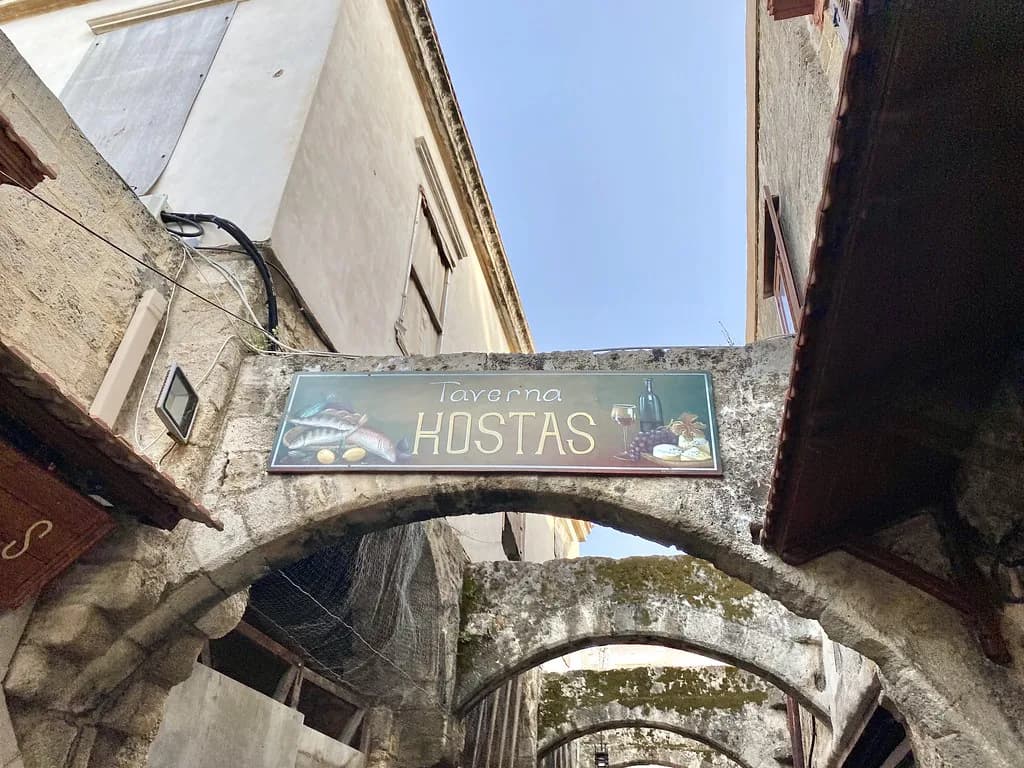
Rhodes Town has its own eating to explore, from the cafe terraces of Hippocrates Square to the small tavernas in the side streets. A frappe on the square is a cheap way to reset after a morning of cooking, and the terrace restaurants around the square are convenient even if they are busy with tour groups. For a more considered meal, look at the wider choices in town.
Plan Your Visit
Cooking classes on Rhodes work best when the format, the setting and the travel time all match the day you have available. Decide whether you want to cook or watch, choose a town or village kitchen accordingly, and confirm group size, language, dietary requests and transport in writing before you pay. Leave the price question to the provider rather than a blog post.
Then build the rest of the day around geography: a village class with a winery stop nearby, a town class with an Old Town walk. Check the class dates and inclusions on the school's own page one last time before booking, since lists and calendars change. That done, you can turn up hungry and ready to work.
Explore more Rhodes sauna guides
Frequently Asked Questions
How long does a cooking class in Rhodes take?
Length is set by each operator, so there is no single figure for the island. Most sessions include preparation, cooking and a shared meal, which makes for a half-day block rather than an hour. Confirm the start and finish times in the listing and allow extra time for the drive if the kitchen is in a village.
Do Rhodes cooking classes offer vegetarian options?
Many do, because Rhodian home cooking leans on pulses, vegetables and herbs, but do not assume every menu adapts. Raise your request with the provider before booking and ask whether vegetarian dishes are prepared separately. Keep the reply in writing so there is no confusion on the day.
Should I book a cooking class in Rhodes in advance?
Yes for July and August, when the island is at its busiest and small-group sessions fill early. Book before you travel if your dates are fixed, especially for a village kitchen or a weekend slot. In the shoulder months there is more flexibility, but booking a few days ahead still helps.
What food is Rhodes known for?
Rhodian cooking includes pitaroudia chickpea fritters, dolmades, the vegetable bake pispili, slow-braised stifado and the sesame sweet melekouni. Local olive oil, caper leaves and honey also feature heavily. A class is a good way to meet several of these in one session rather than ordering them one at a time in restaurants.
Do Rhodes cooking classes run in winter?
Many restaurants and hotels on Rhodes close from late October until April, and rural providers tend to follow that rhythm more closely than town businesses. Rather than assume a class runs year-round, check the operator's calendar for your dates. If a village kitchen is closed, a town-based session may still be available.
How do I know if a Rhodes cooking class is hands-on?
Look for the words hands-on, participatory or make-your-own in the listing, and ask directly how many dishes each guest prepares. Reviews that mention chopping, kneading or working at a stove are a better signal than praise for the host. If the reply is vague about the cooking itself, treat the session as a demonstration.
Sources
Notes for eating well in Greece
Optional updates to our guides.
You might also like
Continue reading
More guides you'll find useful