What to Eat in Rhodes: Rhodian Dishes and Where to Try Them
A practical guide to Rhodian food: pitaroudia, matsi and melekouni explained, how meze is shared, and how to weigh a harbour table against a back street.
On this page
Rhodes sits in the Dodecanese, close enough to the Turkish coast that its kitchen borrows from both sides of the Aegean. Menus in Rhodes Town often mix pan-Greek standards with a handful of island-specific dishes, and knowing which is which helps you spend your appetite well. This guide explains the local names, how a meze table works, and where in Rhodes each style of eating fits.
Two practical points frame everything below. Restaurant prices, hours and seasonal closures in Rhodes change from year to year and are not published in one central place, so the reliable move is to read the menu board or ask before sitting down. And local dishes appear far more often on family-run taverna menus than on harbour-front ones built around views, which is the central trade-off this guide keeps returning to.
Rhodes Food at a Glance: What Makes Rhodian Cooking Different
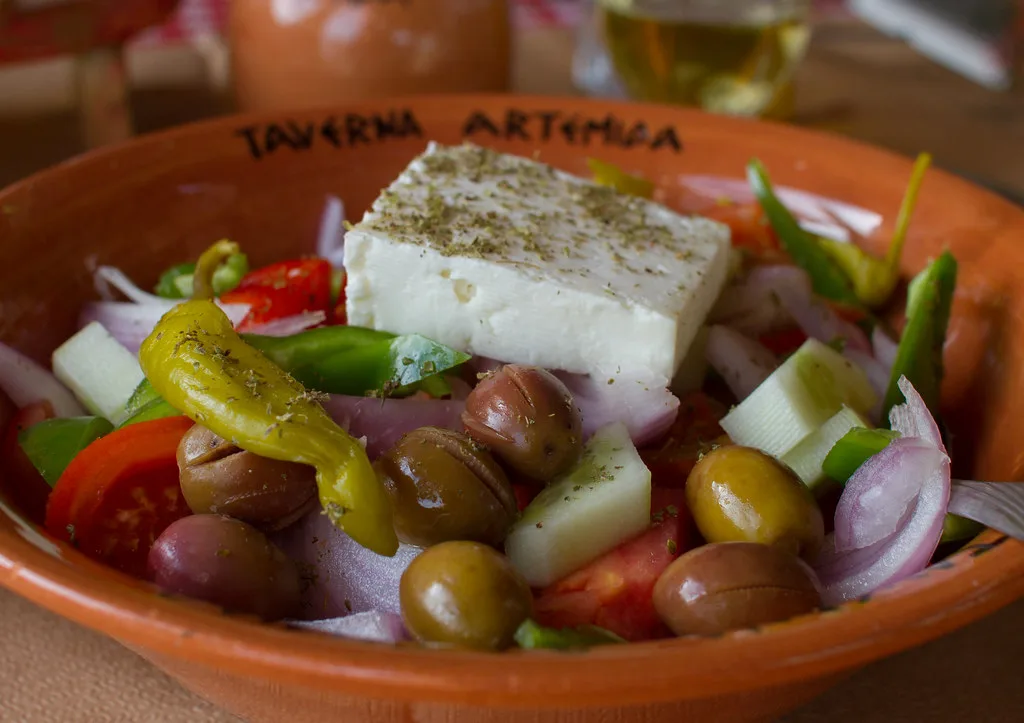
A generic Greek menu in Rhodes will offer souvlaki, moussaka and a horiatiki salata, the village salad of tomato, cucumber, onion, olives and feta. Those are fine, but they tell you little about the island. The dishes that mark a kitchen as Rhodian are usually cheaper to make and appear lower down the menu: chickpea fritters, hand-rolled pasta, wild greens and pulse stews.
The island's position matters. Rhodes has a long history of outside influence and a farming hinterland that supplies pulses, vegetables and olive oil, so its cooking leans on legumes and vegetables as much as on fish. If you want a broader picture of how these dishes sit in Greek cooking generally, a look at traditional greek food helps you separate island specialities from dishes you will see everywhere.
Start With the Meze Table: How Rhodian Small Plates Are Ordered
Meze means small plates shared across the table, not a starter course each. The usual approach is to order two or three plates per person, then add more as the table empties, rather than ordering a full portion each. Plates arrive as they are ready, so bread, olives and the first fritters may land before the salad.
For a mixed table, think in categories rather than dishes: something fried, something from the sea, a pulse or vegetable plate, a cheese, and bread. That structure keeps the table varied without doubling up. If you are unsure how many plates to order for your group, ask the server how large the portions are; this is normal and saves waste.
Pitaroudia Explained: Chickpea Fritters and What to Eat Them With
Pitaroudia are small fritters made from crushed chickpeas, shaped by hand and fried until crisp outside. They are the dish most closely associated with Rhodes and appear on meze menus across the island, sometimes plain and sometimes with herbs or a little tomato folded in. Textures vary: some kitchens grind the chickpeas coarse, others to a smoother paste.
Order them as part of a spread rather than as a main. They work alongside a tomato salad, a bowl of olives, a piece of grilled cheese or a scoop of thick yogurt, and they are one of the cheapest ways to start a meal. If a menu lists them under a heading you do not recognise, ask; they are often filed with the hot meze rather than the starters.
Matsi Explained: Hand-Rolled Pasta, Soupy or Baked
Matsi is Rhodes's hand-rolled pasta, made from flour and water and rolled into thin strands or small coils. It turns up in two main forms. The soupy version is cooked in a light broth, sometimes with a little tomato, and served in a bowl; the baked version is layered with cheese and sometimes egg or a white sauce, then browned in the oven.
Both are hearty and inexpensive, which makes matsi a good anchor for a lunch rather than a shared meze plate. If you see it on a menu, ask which form the kitchen makes, because the name alone does not tell you. It is also one of the dishes most likely to disappear from a menu outside the main season, when kitchens trim their range.
Melekouni Explained: The Sesame and Honey Bar
Melekouni is a flat bar of sesame seeds bound with honey and shaped while warm. It is a Rhodian sweet tied to celebrations, traditionally made for weddings and offered to guests, and it still appears at festivals and family events. You will also find it packaged in bakeries and food shops, often cut into diamonds and wrapped individually.
It is dense, so a small piece goes a long way, and it travels well as a souvenir. If you want to try it at its best, buy from a bakery that turns over stock quickly rather than from a display that has been sitting in the sun. Ask whether the batch is local; some shops sell sesame bars made elsewhere in Greece.
Seafood and Grilled Fish: Harbour Table vs Back-Street Taverna
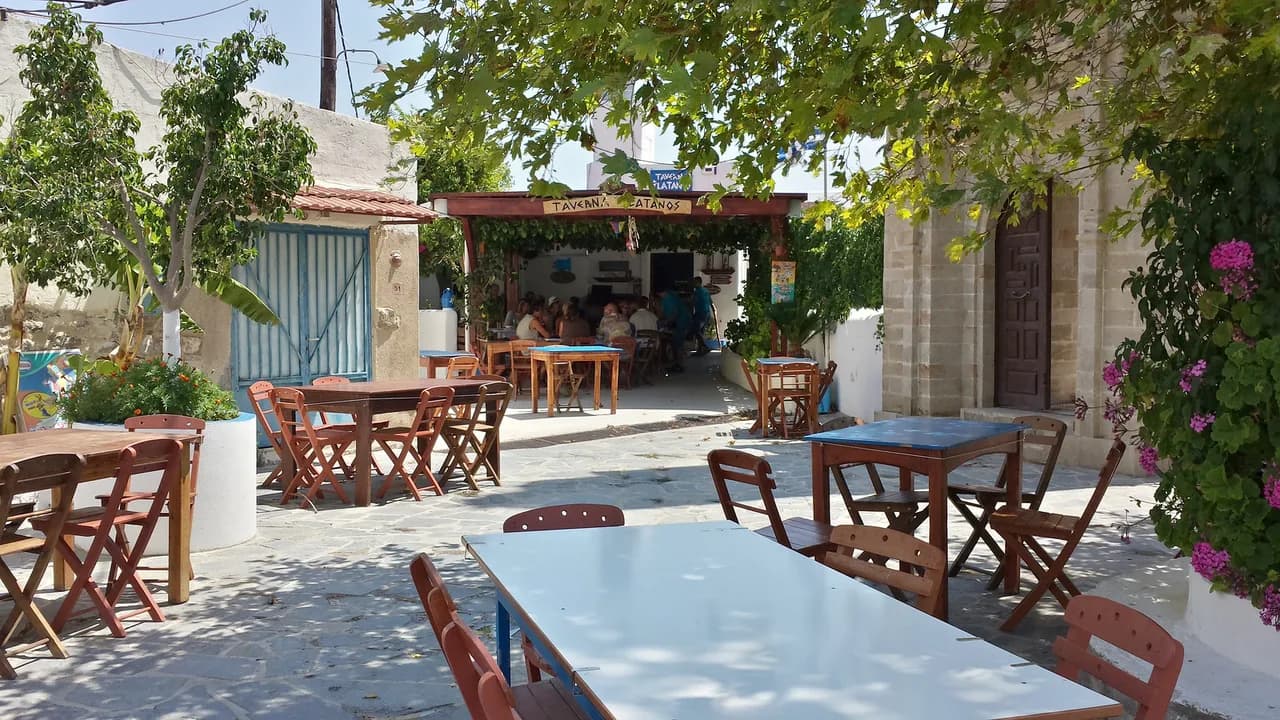
Rhodes has two broad settings for fish. Harbour and waterfront tables sell the view along with the meal, and the grilled fish is usually priced by weight, so ask for the weight and the total before it goes on the grill. Back-street tavernas a few lanes inland tend to have shorter menus and lower prices, with less shade and no sea in front of you.
Neither is automatically better. The view is worth something if you want a long evening, and the back street is worth something if you want to eat fish twice in one trip. Either way, the fish should be priced by weight, and a good kitchen will let you see it before cooking. If you are choosing where to base yourself for evening meals, our guide to the best restaurants in rhodes covers options across the island.
Vegetable and Pulse Dishes That Anchor a Rhodian Lunch
Rhodian cooking gives vegetables a central role rather than a supporting one. Look for wild greens dressed with olive oil and lemon, broad beans or split peas cooked to a purée, stuffed vegetables in season, and baked aubergine or courgette dishes. These are usually the cheapest plates on the table and often the most distinctive.
Order one or two of them alongside a fish or grilled meat plate rather than instead of it, since a meal of greens alone can feel light after a long day walking the old town. If you are planning a full day of sightseeing, our guide to things to do in rhodes pairs well with a lunch built around pulse dishes and a late dinner.
Sweets and Bakery Stops Beyond Melekouni
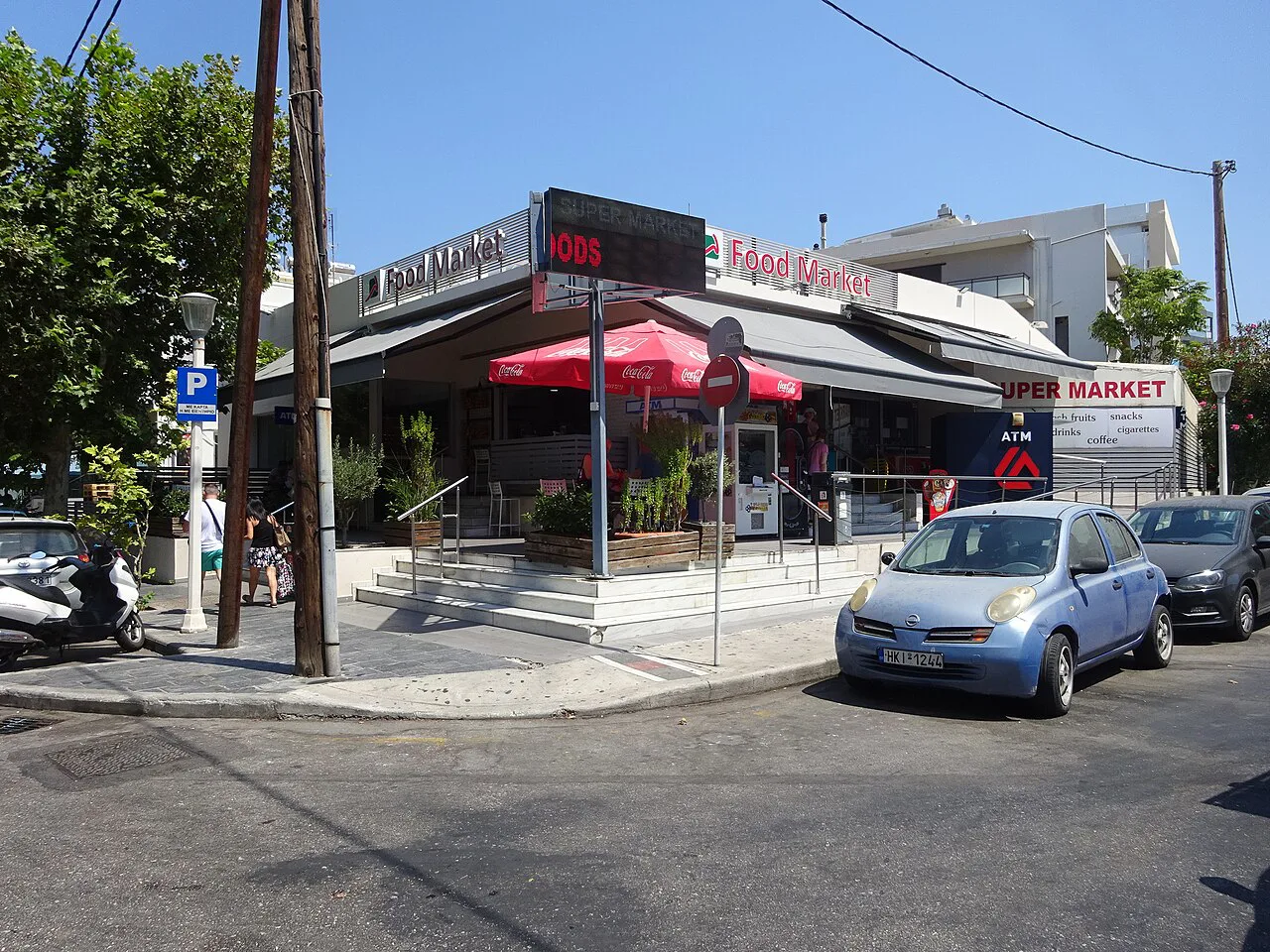
Outside the celebration sweets, Rhodes bakeries cover the standard Greek range: filo pastries with nuts or custard, small biscuits, and breads by the loaf. Melekouni is the local marker, but a bakery counter is also a good place to buy a picnic for a beach day or a ferry crossing, since prices by the piece are low and you can point at what you want.
Note that some packaged dough products sold under brand names including Rhodes have nothing to do with the island; a label from a dough manufacturer such as this frozen bread dough range refers to a company, not to Rhodian cuisine. Read the package if you are shopping for gifts and want something made on the island. The sweet dough product line from the same dough brand is another reminder that the name is shared.
Drinks: What to Order With Meze
With a meze table, the usual choices are a light white wine, a chilled retsina if you like the resin edge, or ouzo diluted with water and sipped slowly alongside the food. Local wine lists in Rhodes have grown, and many tavernas pour house wine by the half-litre or litre, which is the cheapest way to drink with a shared meal.
Soft drinks and water are ordered by the bottle, and tap water is not always brought unasked. If you plan to spend a long evening at a harbour table, order drinks as you go rather than all at once, since ice melts and warm wine is a poor companion to fish. Ask what is local if the list is short; small producers often appear on a chalkboard rather than the printed menu.
Where to Eat by Area: Rhodes Town, the Coast and the Southeast
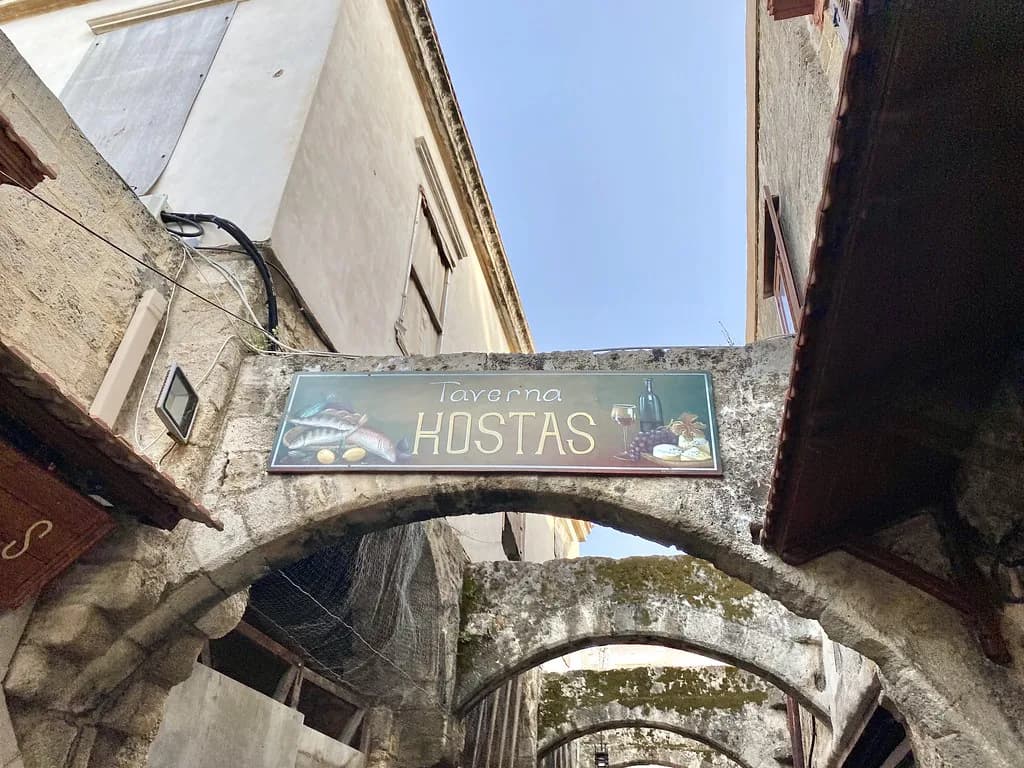
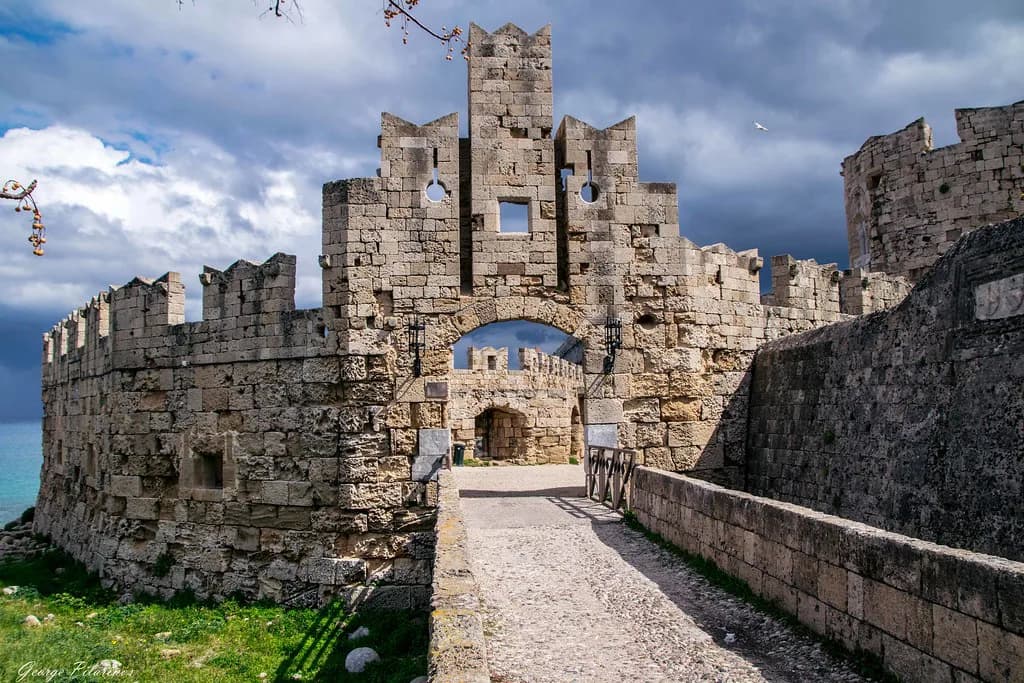
Rhodes Town splits into the walled old town and the newer town outside it. The old town's lanes hold family tavernas and small bakeries, while the new town and harbour areas lean towards view-driven dining. If you want to concentrate your eating in the historic quarter, our guide to the best restaurants in rhodes old town is the place to start planning.
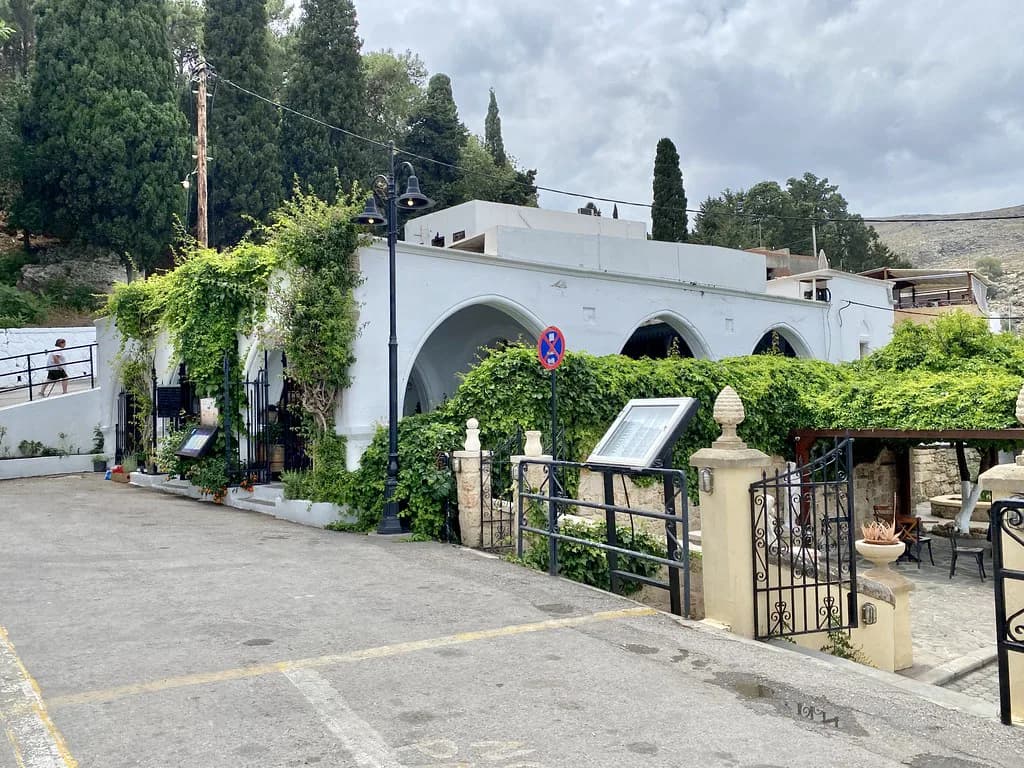
Along the west coast, resort strips dominate and menus are built for volume. The southeast, including Lindos, has a mix of village tavernas and view restaurants, and prices near the beach tend to run higher than a few streets back. Our restaurants in lindos rhodes guide covers that village specifically, and the wider Rhodes Attractions: 7 Visitor Guides collection helps you pair meals with sightseeing.
Setting Expectations on Seasonal Opening
Island restaurants in Greece commonly close or cut back in the colder months, and Rhodes follows that pattern outside Rhodes Town, where more places stay open year-round. Village tavernas, beach bars and some Lindos restaurants may shut entirely in winter and reopen in spring. Dates vary by business and by year, so treat any single closing date you hear as approximate.
The practical consequence is to check before travelling to a specific village for a specific kitchen, especially outside the main season. A phone call or a look at the restaurant's own social media page is more reliable than an old listing. In town, the choice narrows but rarely disappears.
How to Order Without Overspending: Portions, Sharing and Menu Reading
Prices in Rhodes vary more by setting than by dish. A meze plate in a back-street taverna and the same plate on a harbour terrace can differ substantially, so read the menu board at the entrance before sitting down. Fish sold by weight is the main risk: always ask for the weight and the total price before it is cooked.
Bread and water sometimes appear on the bill as a cover charge, so check whether they are listed and ask if the total looks unexpected. Ordering meze in rounds rather than all at once keeps the table manageable and lets you stop when you are satisfied. If the menu is only in Greek, ask what the house specialities are; the answer usually points to the local dishes.
Plan Your Visit
Eat in Rhodes by leaning on the island's own dishes: pitaroudia, matsi in either form, and melekouni from a busy bakery. Build meals around shared meze, order fish by weight, and choose between the harbour view and the back street with your budget rather than the reviews in mind.
Before you go, confirm two things: which of your intended restaurants are open during your dates, and whether prices on the menu match what you expect. Both are quick to check by phone or on the restaurant's own page. For the wider trip, our Rhodes Attractions guide to the island's sights can help you fit meals around the sights.
Explore more Rhodes sauna guides
Frequently Asked Questions
What food is Rhodes known for?
Rhodes is known for pitaroudia, chickpea fritters fried and served as meze, and matsi, a hand-rolled pasta served either in broth or baked with cheese. Melekouni, a sesame and honey bar made for weddings and festivals, is the island's signature sweet. Grilled fish sold by weight and vegetable and pulse dishes fill out most taverna menus.
What are pitaroudia and how are they served?
Pitaroudia are small fried fritters made from crushed chickpeas. They appear on meze menus across Rhodes, usually as a shared plate rather than a main, and go well with tomato salad, olives, cheese or yogurt. Recipes vary between kitchens, with some grinding the chickpeas coarse and others finer.
What is matsi?
Matsi is a hand-rolled Rhodian pasta made from flour and water. It is served in two main ways: cooked in a light broth as a soupy bowl, or layered with cheese and baked. Ask which version a kitchen makes, because the name alone does not tell you.
What is melekouni?
Melekouni is a flat bar of sesame seeds bound with honey, traditionally made in Rhodes for weddings and celebrations. It is also sold in bakeries and food shops, often cut into diamonds and wrapped individually. It travels well as a souvenir.
How much does a meal cost in Rhodes?
Menus vary by setting more than by dish, and prices change from season to season. Read the board at the entrance before sitting down, and for fish sold by weight ask for the weight and the total before cooking. Bread and water may appear as a cover charge, so check the bill if the total surprises you.
Are restaurants in Rhodes open in winter?
Many island restaurants in Greece close or reduce their hours in the colder months, and Rhodes follows this pattern outside Rhodes Town, where more places stay open year-round. Village and beach restaurants may shut entirely and reopen in spring. Dates vary by business, so confirm with the restaurant directly before travelling to a specific village.
Sources
Notes for eating well in Greece
Optional updates to our guides.
You might also like
Continue reading
More guides you'll find useful