
Hydra Cathedral (Dormition of the Virgin): A Visitor's Guide

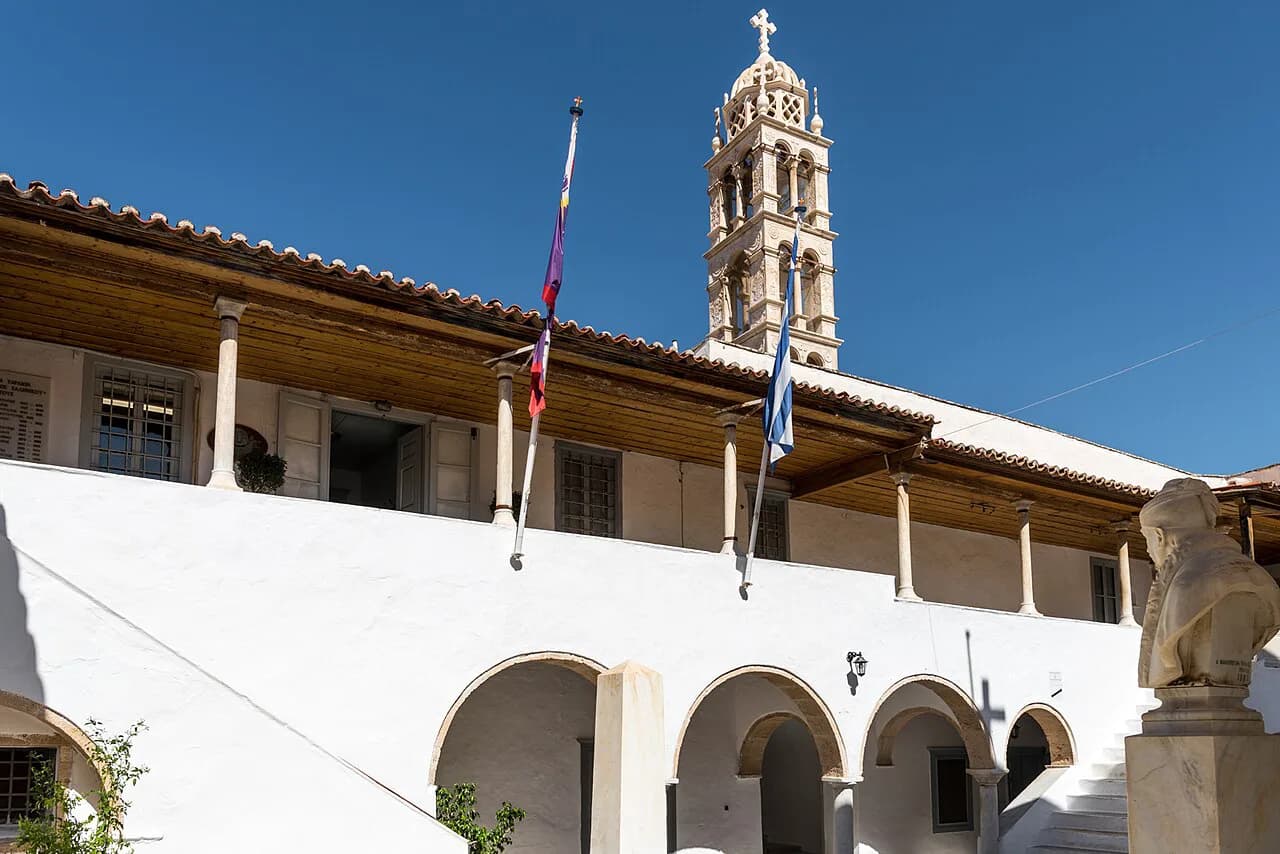
Hydra Cathedral is the island's main Orthodox church, standing at the very centre of the port in Hydra Town on the car-free island of Hydra in the Saronic Islands. Most visitors pass it within minutes of stepping off the ferry, which makes it an easy first or last stop of the day rather than a separate excursion.
The name confuses people because the building appears under several English translations. This guide treats it as one named place, gives the practical details for finding and visiting it, and keeps other Hydra sights to brief nearby mentions so you can decide how much of your day it deserves.
Quick answer: what Hydra Cathedral is
Hydra Cathedral is an Orthodox cathedral church dedicated to the Dormition of the Virgin, the feast that English-language sources often call the Assumption. It is an active place of worship rather than a museum-style monument, so visitors should expect a working church that also welcomes respectful short visits.
It earns a short stop for two reasons. First, it sits so close to the ferry landing that skipping it costs nothing but a few minutes; second, a museum of ecclesiastical and Byzantine material is associated with it, which turns a quick look into an option for a longer stay.
Where the cathedral sits in Hydra Town
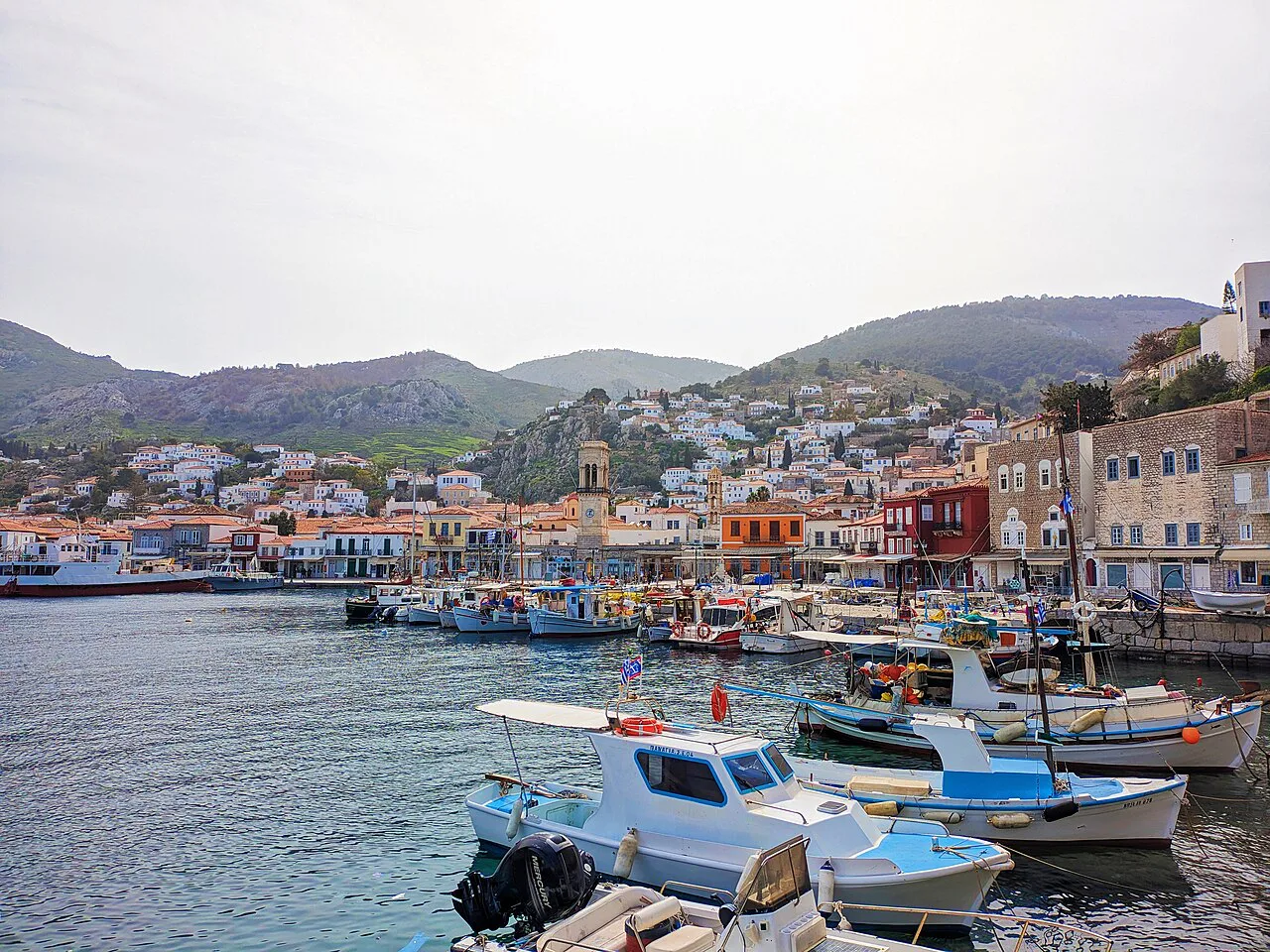
The church stands right in the centre of the port, so the landmark reference is simply the harbour front itself: walk off the ferry, face inland, and you are already in the right block. The listed address for the cathedral is Hydra 180 40, Greece, which is useful if you are searching maps on arrival.
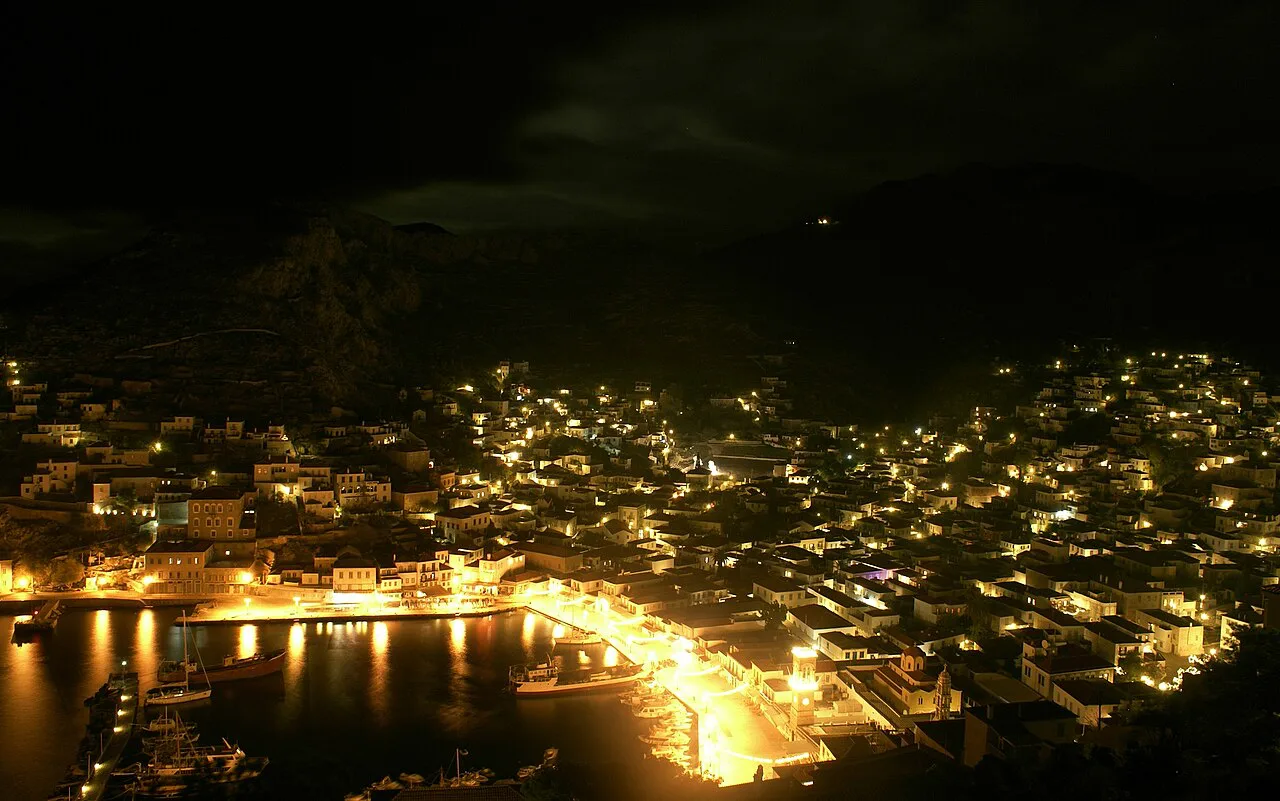
Because the town wraps around the bay in a horseshoe, the waterfront is the one line you cannot lose. Use the harbour edge as your reference point and the cathedral becomes part of a natural walk along the quay rather than a destination requiring directions.
How to get there
Hydra has no cars, so arrival is by boat, typically a ferry or hydrofoil from the mainland, landing you directly at the port. From the landing point the cathedral is a walk of a few minutes at most, on flat paved ground along the harbour front, and no transport is needed once you are on the island.
The one thing worth checking before you travel is the ferry schedule, since day-trippers need to match their time ashore to the return sailing. The cathedral's own hours are not reliably published, so plan the church stop around the boat rather than the other way round and confirm locally when you arrive.
If you are staying beyond the day, Hydra Town is compact enough to reach the cathedral on foot from almost any guesthouse in the centre. Walking is the only realistic option for the last stretch in any case.
Name check: Dormition, Assumption, and the Greek name
In English you will see the church called the Dormition of the Virgin, the Dormition of the Mother of God, or the Assumption of the Virgin. These refer to the same Marian feast viewed from different traditions, and the official island page uses the Assumption of the Virgin wording for the church with the Ecclesiastical and Byzantine Museum.
In Greek the building appears as Καθεδρικός Ναός Ύδρας, literally the Cathedral Church of Hydra, which is why English listings often shorten it to Hydra Cathedral. If you are asking for directions, the Greek name or simply "the cathedral" will be understood by anyone in the port area.
Foreign-language travel listings sometimes render it as the Dormition of the Mother of Lord Hydra Orthodox Cathedral Church, an awkward but recognisable translation. Treat all of these as one building rather than separate sights.
What to see inside
The official island sightseeing page pairs the church with its Ecclesiastical and Byzantine Museum in the centre of the port, and describes the church as the Assumption of the Virgin. Expect a Greek Orthodox interior with the furnishings and layout typical of an island cathedral; specific artworks and icons are not documented in the sources available here, so treat any interior decoration as something to discover on site rather than a checklist.
The Ecclesiastical and Byzantine Museum is the reason to allow more than a glance. It is associated with the church and holds religious and Byzantine material, so if that subject interests you, the visit becomes a small museum stop as well as a church visit.
Photographs of the church exterior and interior circulate widely in stock collections, which can help you recognise the building before you arrive. They are not a substitute for current visiting arrangements, however.

How much time to allow
For a short church stop, ten to fifteen minutes is realistic: a walk through the nave, a look at the icon screen, and out again. Add something like thirty to forty-five minutes if you want to see the ecclesiastical and Byzantine collection properly, depending on how much is open on the day.
The practical trade-off is between depth and breadth. A fifteen-minute stop leaves the rest of the day for the harbour and a walk toward Kamini, while a longer museum visit eats into that time and is best chosen deliberately rather than by default.
Ferry times should anchor your pacing: if you have a fixed return sailing, work backwards from it rather than from the cathedral, which can absorb any amount of time you give it.
Opening hours and entry: what is published
Opening hours for Hydra Cathedral are not listed in the sources available here, and the main travel listing advises visitors to contact the attraction to confirm specific opening hours. A published phone number is available for enquiries, so a call shortly before your trip is the most reliable route.
Entry terms likewise should be confirmed rather than assumed; do not plan around a fixed ticket price or a guaranteed closing day that no reliable source states. If entry to the church or museum matters to your day, ask when you arrive in the port, since the cathedral is close enough to check on foot in a couple of minutes.
Etiquette for visiting an active Orthodox church
This is a working church, so the basics of Orthodox etiquette apply: dress modestly with shoulders and knees covered, keep voices low, and avoid flash photography during worship. If a service is in progress, stand near the entrance and observe rather than walking through the nave as a sightseer.
Services take priority over tourism, and access to parts of the interior may be limited at those times. Rather than expecting a published visitor window, time your visit loosely around what you can see happening at the door.

Nearby: the Kountouriotis Mansion and the harbour
The Mansion of Lazaros Kountouriotis is the most convenient companion sight if you want a second stop in the same quarter. It is a short walk inland or along the town's lanes rather than a separate trip.
Back on the water, the harbour front is where Hydra Town's life gathers, with boats, waterfront tables and the lanes that climb behind. If you want more local history after the church and museum, the historical archives are another indoor option in town.
Food and drink within a few minutes' walk
Several eating places sit within a few minutes of the cathedral, including Psaropoula and Veranda Restaurant, both listed on the harbour side. Kryfo Limani and Taverna Christina are the next ring out if you want to move away from the immediate port front.
Harbour-front tables trade view and convenience for higher prices and more passing traffic; a few minutes inland or along the quay usually buys quieter seating. Menus vary by season and by day, so read what is posted at the door rather than relying on a printed price; fish is typically sold by weight, which is worth asking about before ordering.
For a longer wander, the lane toward Kamini leads to a quieter stretch of coast with its own small eating places. If history interests you more than food, the island's past as a maritime power explains why the town looks the way it does.
A practical plan for a cathedral stop
If you arrive on a morning ferry, walk the quay first for orientation, then enter the cathedral when it is open, add the museum if it appeals, and finish with the Kountouriotis Mansion nearby. That sequence keeps the day flexible and leaves the afternoon free for the harbour or a coastal walk.
If your time is tight, choose the church alone and treat the museum as a bonus. If you have a full day, split it between the cathedral quarter and a slower lunch away from the port front; the two fit comfortably together on an island this small.
Plan Your Visit
Hydra Cathedral is a short, worthwhile stop at the centre of Hydra Town's port, best combined with the Ecclesiastical and Byzantine Museum and the Kountouriotis Mansion nearby. Allow a quarter of an hour for the church alone, and longer if the museum is open and you want to see it properly.
Before you travel, confirm opening hours and any entry arrangements by phone or in person at the port, since these are not reliably published. Build the visit around your ferry times rather than the reverse, and the cathedral becomes an easy, low-risk part of a day on the island.
Explore more Hydra sauna guides
Frequently Asked Questions
Where is Hydra Cathedral located?
It stands right in the centre of the port in Hydra Town, on the car-free island of Hydra in the Saronic Islands, with the listed address Hydra 180 40, Greece. From the ferry landing it is a walk of a few minutes along the harbour front.
Is Hydra Cathedral the same as the Church of the Assumption of the Virgin?
Yes. The building is dedicated to the Dormition of the Virgin, which English sources often call the Assumption, and the official island sightseeing page uses the Assumption of the Virgin wording for the church with the Ecclesiastical and Byzantine Museum. It is also written in Greek as Καθεδρικός Ναός Ύδρας.
What are the opening hours of Hydra Cathedral?
Opening hours are not consistently published, and the main listing advises contacting the attraction to confirm specific times. The most reliable approach is to call ahead or check at the church when you arrive in the port, since it is only a short walk from the ferry.
Is entry to Hydra Cathedral free?
Entry terms are not documented in the sources available here, so no reliable statement about free or paid entry can be made. Confirm with the church directly or on arrival rather than planning around an assumed price.
What is inside Hydra Cathedral?
It is a 17th-century Orthodox church with a typical island cathedral interior, and an Ecclesiastical and Byzantine Museum is associated with it. Specific artworks and icons are not documented in the available sources, so treat the interior as something to discover on site.
How long does a visit to Hydra Cathedral take?
A short church stop takes about ten to fifteen minutes. Add roughly thirty to forty-five minutes if you want to see the ecclesiastical and Byzantine collection, and remember that services may limit access at certain times.
What is nearby Hydra Cathedral?
The Mansion of Lazaros Kountouriotis is listed about 150 metres away, and the harbour front is immediately outside. Several restaurants sit within a few minutes' walk, including Psaropoula at about 70 metres and Veranda Restaurant at about 80 metres.
How do you get to Hydra Cathedral?
Hydra has no cars, so you arrive by ferry or hydrofoil from the mainland at Hydra Town's port, then walk a few minutes along the quay to the cathedral. Check return sailing times before you set out, especially on a day trip.