
Hydra Historical Archives Museum: A Visitor's Guide
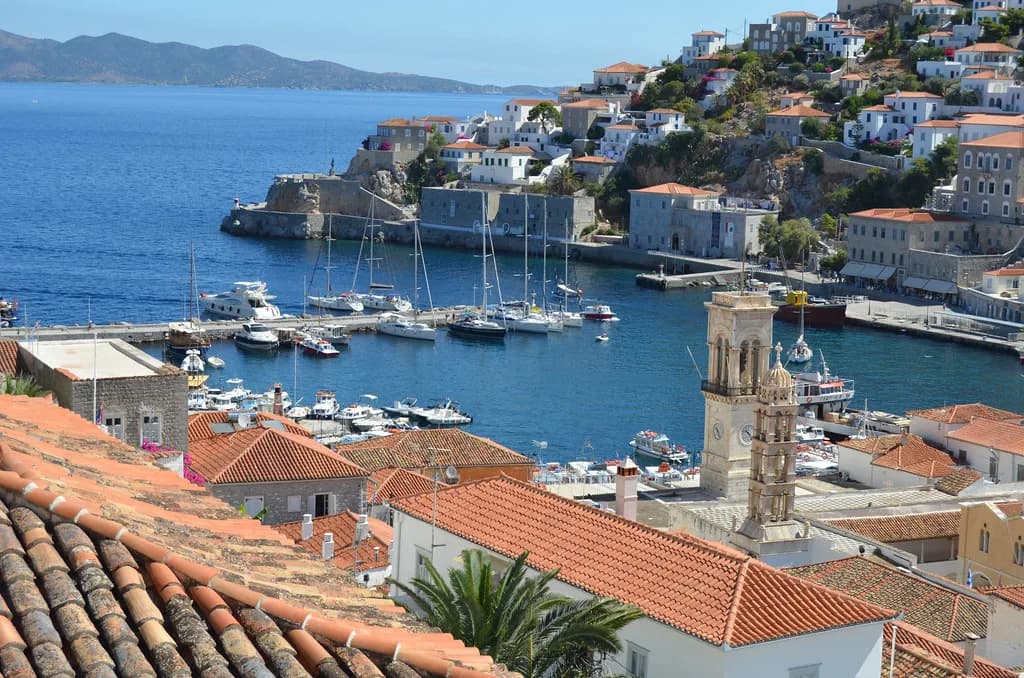
The Hydra Historical Archives Museum, known locally as the Historical Archive-Museum of Hydra, is a three-part institution: a state archive, a museum collection and a research library. It sits in a purpose-built mansion at the entrance of Hydra's harbour, which makes it the easiest serious sight to add to a port arrival.
This guide breaks the building down by section so you know what you are walking into. It also explains why Hydra's fleet mattered in the Greek Revolution of 1821, since that context turns a room of old paintings into the most interesting hour of many visitors' day.
Why the Museum Matters: Hydra and the 1821 Naval Story
In the late 18th and early 19th centuries Hydra grew rich on Mediterranean maritime trade, and its shipowners and captains became leading financiers of the Greek Revolution. Island ships were converted into warships, and names such as Miaoulis, Tombazis and Kountouriotis became tied to the naval campaign. The museum exists to document that world, which is why its holdings lean heavily on ships, captains and community records rather than sculpture or pottery.
The collection is not a polished national museum. It is a working archive with a gallery attached, and that is the trade-off: the labels and displays are scholarly rather than interactive, but the documents and paintings are original. If you want a quick, high-impact stop, head for the art gallery; if you want depth, the archive is the reason to come.
Where the Museum Is, and How to Reach It
The museum stands on the east side of Hydra's port, close to the Port Authority and the point where ferries and hydrofoils come in. Its listed address is Miaouli 454, Hydra 180 40, and the port entrance itself is the simplest landmark to navigate by. Because the building dominates the harbour mouth, you will usually spot it before you find the street sign.
Hydra has no cars, so arrival is by sea: ferries and hydrofoils from the mainland land you directly in the harbour, and the museum is a short walk along the quay from the landing point. If you are staying elsewhere on the island, plan on walking or using a water taxi rather than a road transfer. This is also why the museum fits neatly into a port-arrival morning or a departure-day buffer. For orientation before you set out, see these Hydra Neighborhoods.
The Archive Section: Eighteenth-Century Community Records
The archive is the institutional core of the building. It holds the records of the Hydra community from roughly 1708 to 1865, numbering around eighteen thousand primary documents, manuscripts, codes and inventories, according to published descriptions of the collection. These cover the pre-revolutionary, revolutionary and post-revolutionary periods and include administrative, ecclesiastical and educational papers.
For most visitors the archive is a behind-the-scenes resource rather than an exhibition, consulted by researchers by arrangement. If you are tracing family names or local history, ask at the desk what access is currently possible before you travel; reading-room conditions and appointment rules are operational details the museum itself can confirm.
The Museum Section: Heirlooms and the Historical Art Gallery
The museum occupies the ground floor and the first floor. Downstairs, displays cover heirlooms from the Balkan Wars and the two World Wars, along with costumes, engravings, nautical maps and weapons connected to Hydra's fighters. Upstairs, the Historical Art Gallery brings together oil paintings and watercolours by Greek and foreign painters, many depicting the ships of the revolutionary fleet.
Do not rush the staircase. The walls leading up carry portraits of Hydra fighters painted by well-known Greek artists, and this sequence works as a compact visual introduction to the faces behind the names you meet downstairs. The gallery is the payoff for a short visit, while the ground-floor cases reward anyone interested in military and naval history.
Highlights to Look For
Two objects are worth seeking out. One is the silver lekythos, a small vessel that holds the embalmed heart of Admiral Andreas Miaoulis; a lekythos is a narrow flask in ancient Greek pottery, reused here as a reliquary. The other is the original charter associated with Rigas Feraios, the Enlightenment writer whose map and manifesto made him a symbol of Greek independence. Both sit within the museum section rather than the archive proper.
Alongside them you will find small decorative arts of the 18th and 19th centuries, ships' memorabilia and historic maps. If paintings are your priority, allow extra time in the upper gallery; if objects and documents are, the ground floor will hold you longer. Either way, the museum is compact enough that you can see the core collection without feeling you must absorb every label.
The Library: Rare Editions on the Ground Floor
The library sits on the ground floor and holds thousands of volumes, mostly old and rare editions, many dating from the early 18th century onward. Published descriptions put the figure at anywhere from 4,000 to above fifteen thousand titles, so treat any exact count as approximate. The collection is continuously enlarged with historical, archival and literary publications, journals and newspapers.
The library serves researchers rather than browsers, so do not expect to pull volumes at will. Ask staff about access if you have a specific research question; otherwise treat it as context for the archive, not as a separate visitor attraction.
How Much Time to Allow
For most travellers, forty-five minutes to an hour covers the ground-floor cases, the staircase portraits and the upper gallery at a comfortable pace. Archivists and naval-history specialists should budget considerably longer, and anyone hoping to consult documents should contact the museum in advance. The building is far from vast, so over-scheduling is unnecessary.
The museum also runs temporary exhibitions, lectures, conferences and concerts through the year, which can change how much there is to see on a given day. Check the museum's own site or call ahead if a particular exhibition is your reason for visiting.
Tickets, Opening Hours and Free-Admission Days
Published listings have referenced a free-admission calendar dated to 2026 and a museum telephone number, but no reliable current ticket price or year-round timetable appears in these sources. Confirm hours and admission at the door, by phone on +30 22980 52355, or through the museum's own channels before you build a day around it. This is the one detail worth double-checking rather than assuming.
Hydra's seasonality is another factor. Many island businesses run reduced hours outside summer, and museums can adjust for holidays, so a shoulder-season visit deserves a call. If you are arriving on a day trip from the mainland, check opening days first so the sailing times and the museum do not clash.
Practical Notes: Stairs, Accessibility and Facilities
The gallery is upstairs, reached by a staircase lined with portraits, so the best of the collection involves steps. The same listing notes a wheelchair ramp at the building, but historic buildings vary in how far access extends, so visitors with mobility needs should telephone ahead to ask about the ground floor, the upper floor and any lift provision. Facilities listed include a museum shop and cafe.
Hydra's lanes are stepped, cobbled and car-free, so wear shoes that cope with stone stairs and leave luggage at your accommodation before walking to the port. The museum makes a sensible first stop after arrival, while you are still fresh and oriented toward the harbour.
Nearby: Port-Side Sights Within a Short Walk
At the entrance to the port stands the bronze statue of Andreas Miaoulis by sculptor Kostas Kazakos, with the revolutionary flag and cannons on the bastion behind it; it pairs naturally with the museum's Miaoulis relics. A few minutes further, the Tombazis mansion has housed a branch of the Athens School of Fine Arts since 1936. These are short additions rather than a full itinerary.
Also close by, the Lazaros Koundouriotis house operates as a branch of the National Historical Museum, and the building that houses the Museum of Post-Byzantine Art and History belonged to George Koundouriotis. If you want one more interior, the Koundouriotis Mansion on Hydra is the logical companion to the archives museum for the same revolutionary-era story.
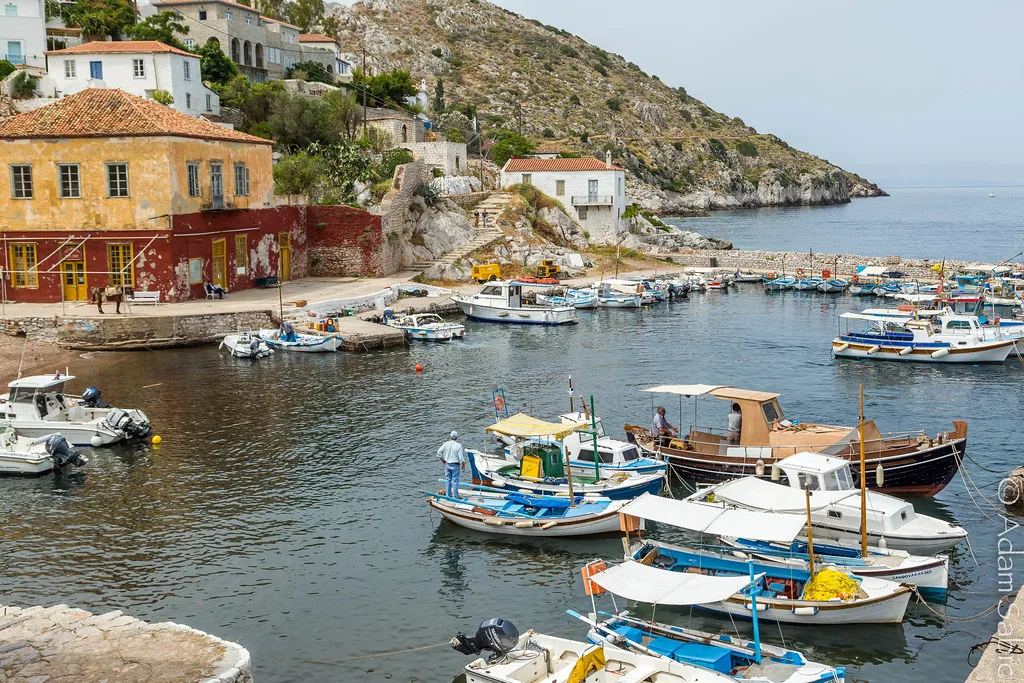
Further along the coast, the small harbour of Kamini, Hydra makes a gentle walk from town with a different view back toward the port. It is a place to end the afternoon rather than a sight with opening hours.
Pairing the Museum With the Rest of the Port
A half day works well: arrive by morning ferry, see the museum while the harbour is quiet, then walk the quay and the lanes behind it. The cathedral, Hydra Cathedral (Dormition of the Virgin), sits among the mansions and fits the same loop. Keep the plan loose so you can linger where the paintings or documents pull you.
Plan Your Visit
The Historical Archives Museum of Hydra is a compact, scholarly stop that pays off most for travellers curious about the island's maritime wealth and its role in 1821. Go for the upstairs gallery and the two signature relics, stay longer if archives are your interest, and confirm hours, admission and access by phone before you sail.
Explore more Hydra sauna guides
Frequently Asked Questions
What can you see at the Historical Archives Museum of Hydra?
The building combines a state archive, a museum collection and a library. The museum section covers the ground floor and first floor, with war heirlooms, costumes, maps and weapons below and a Historical Art Gallery of ship paintings and portraits above. The archive holds community records from roughly 1708 to 1865, and the library keeps thousands of old and rare editions. Two highlights worth finding are the silver lekythos holding the embalmed heart of Andreas Miaoulis and the charter associated with Rigas Feraios.
Where is the Hydra Historical Archives Museum located?
It stands on the east side of Hydra's port, near the Port Authority and the harbour entrance, at Miaouli 454, Hydra 180 40. The port entrance is the easiest landmark, and the building is among the 19th-century mansions at the mouth of the harbour.
How do you get to the museum, given Hydra has no cars?
Arrive by ferry or hydrofoil into Hydra harbour, then walk along the quay; the museum is a short distance from the landing point. Hydra is car-free, so transfers on the island are on foot, by water taxi or by donkey rather than by road.
Do you need tickets for the Hydra archives museum, and when is it open?
Ticket prices and year-round opening hours aren't published in the sources reviewed here. You can find out at the door, by phone on +30 22980 52355, or through the museum's own website. A free-admission calendar referenced in listings is a dated schedule rather than a standing rule, so check it for your travel dates.
How long should you spend at the Historical Archives Museum?
Allow about forty-five minutes to an hour for the ground-floor displays, the staircase portraits and the upper art gallery. Researchers and naval-history enthusiasts should plan longer, and anyone wishing to consult archive material should contact the museum in advance.
Is the museum suitable for people who are not history specialists?
It helps to arrive knowing that Hydra's ships and captains financed and fought in the Greek Revolution of 1821. With that context, the portrait gallery and the Miaoulis relic are engaging even for casual visitors, though the archive itself is scholarly and the displays are traditional rather than interactive.
What else is near the museum in Hydra port?
The bronze statue of Andreas Miaoulis stands at the port entrance, the Tombazis mansion houses a branch of the Athens School of Fine Arts, and the Lazaros Koundouriotis house is a branch of the National Historical Museum. All are within a short walk of the museum.