
Hydra Town: A Neighbourhood Guide to the Harbour and Chora
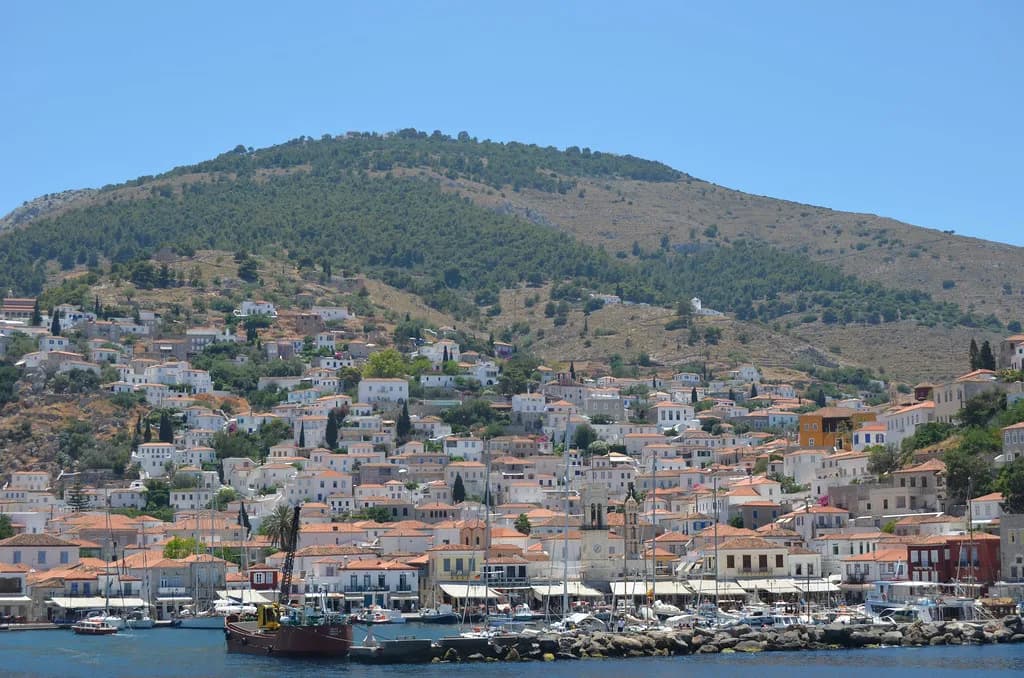
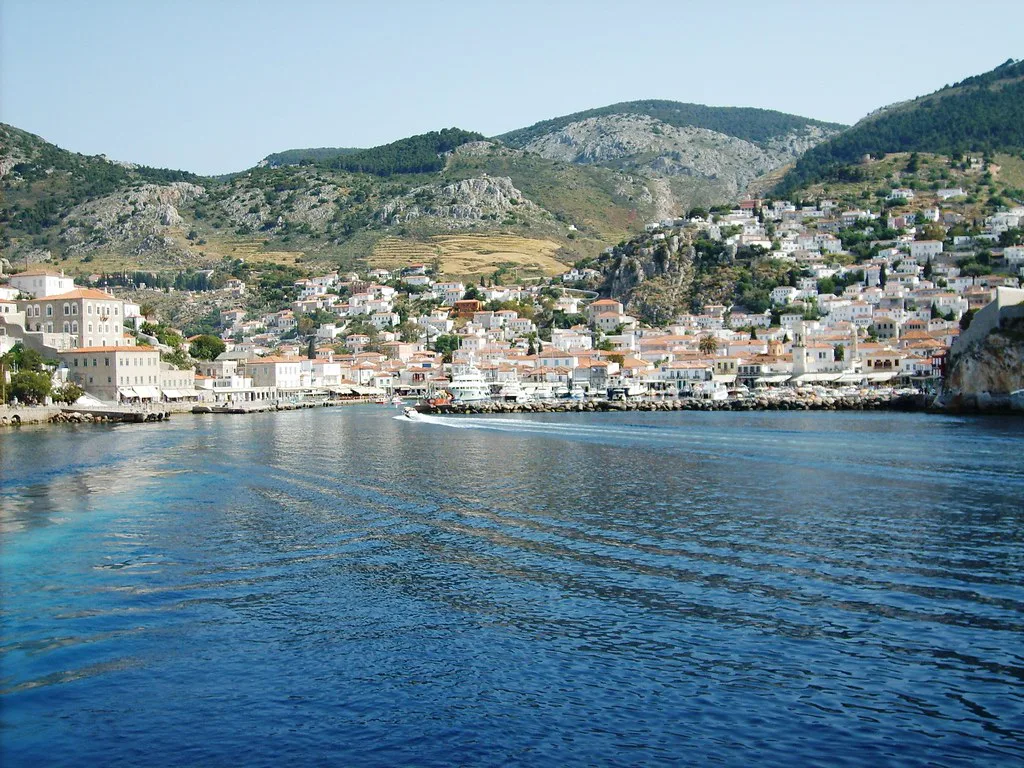
Hydra Town is the island's main settlement and its port, arranged in a horseshoe around a working harbour where ferries, water taxis and yachts all converge. Almost every visitor arrives here first, and many never leave the town itself, which makes it worth understanding as a district rather than a backdrop. This guide stays inside the town boundaries and treats the rest of the island only where it affects a decision, such as where to sleep or how to reach the water.
The town is compact enough to cross on foot in well under an hour, but it is built on slopes, so a short walk can mean flights of steps between whitewashed walls. Vehicles are limited here, which shapes how you pack, how you move and how loudly the harbour fills in high season. Plan around your feet, not a rental car.
What Hydra Town Is
Hydra Town, often called Chora, sits at the head of the island's main bay and functions as the administrative and commercial centre of the municipality. It is the address the island's official page uses for the municipal authority, which underlines how completely the town stands in for the island in practical terms. Everything else on Hydra is reached from here by boat, on foot or by a short water-taxi hop.
The settlement is a dense ring of stone buildings rising from the quay, with the harbour as its living room. Because the town wraps around the water rather than spreading inland, orientation is simple: the port is your reference point and most lanes lead back to it. That makes Hydra Town unusually easy to navigate for a Greek island capital, even on a first afternoon.
How to Get to Hydra Town
Ferries from Piraeus, the port of Athens, are the standard approach, and the resort on the island's sandy bay describes the crossing as roughly an hour. A second route comes from the Peloponnese mainland: drive to Metochi and take a short ferry across, which the same source puts at about fifteen minutes. Both land you directly in Hydra Town rather than at an outlying jetty.
Because those timings come from a hotel's summary rather than a timetable, treat them as planning guidance and check sailing times with the ferry company before you book accommodation around a specific boat. Schedules shift with the season and with weather, and the last crossing of the day matters more than the first. Build a buffer if you are connecting to a flight from Athens.
The Character of the Town
Hydra Town's signature is stone: captain's mansions in pale grey and ochre, built close together and often several storeys high, facing a harbour lined with cannons and bastions. The cannons and the imposing buildings around the port are the image most travellers carry away. The effect is more fortified merchant port than beach village, and it rewards slow walking rather than a checklist.
This suits travellers who like architecture, maritime history and lanes that reward wandering, and who are happy to swim from rocks or take a boat to a beach. It suits less well anyone who needs step-free access, wants a sandy shore outside the door, or expects a car to move them around. Summer crowds concentrate on the quay, so staying a street or two back changes the feel considerably.
A Landmark Walk Through the Port
Start on the harbour front, where the waterfront curves around the water and the town's public life happens. At the entrance to the port stands the bronze statue of Andreas Miaoulis, the Hydriot admiral associated with the revolutionary fleet, and the blue flag and cannons on the bastion nearby reinforce the naval theme. This is the single best short walk in town and takes minutes, not hours.
From the quay, climb into the lanes behind the waterfront, where the mansions sit shoulder to shoulder and the noise of the port falls away within a minute or two. The lanes are stepped and uneven, so wear shoes with grip rather than smooth soles, and carry water in summer. Distances are tiny, but the vertical gain is real.
The Historical Archive – Hydra Museum
The Historical Archive – Hydra Museum occupies a building near the Port Authority on the east side of the port, on Miaouli, and is the anchor of any historical visit to the town. It holds three strands in one building: an archive of community documents spanning the eighteenth and nineteenth centuries, a museum section, and a library of thousands of volumes, many of them old and rare. The collection includes paintings, ship portraits, maps and heirlooms from the revolutionary period.
Allow an hour if you read panels and rather less if you are browsing, and go in the middle of the day when the sun is at its hardest and the lanes are least pleasant. The museum is described as running daily for researchers and visitors, but opening times and any free-admission days should be checked with the museum or the municipality before you build a day around it.
Mansion Landmarks in the Lanes
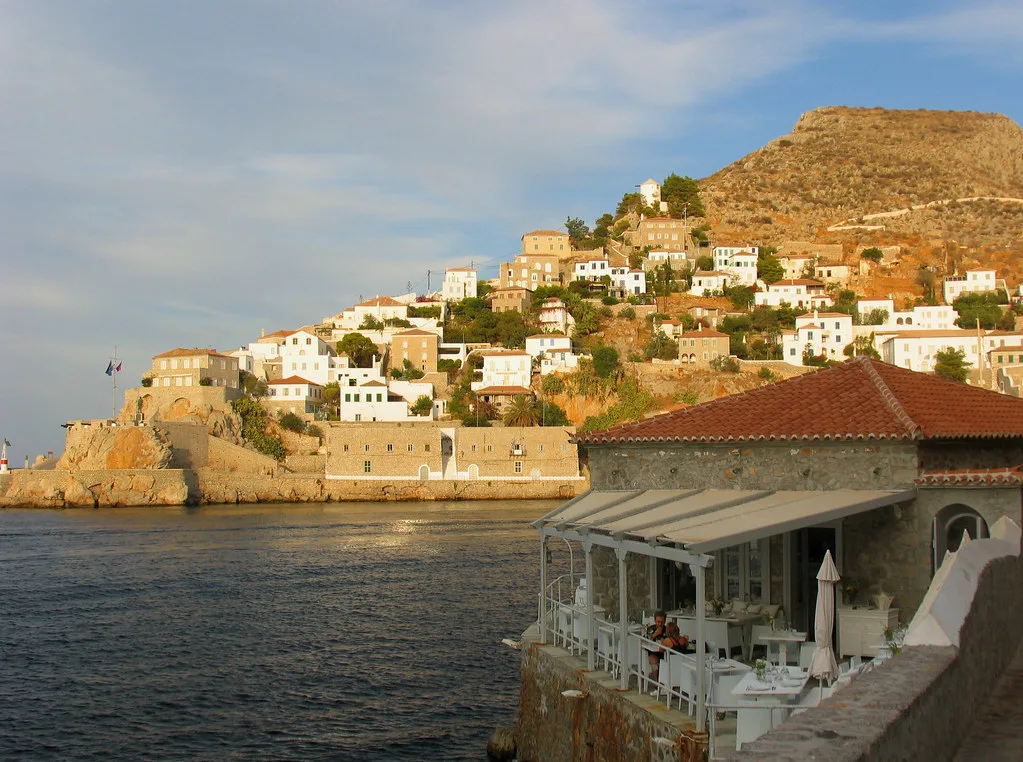
Several of Hydra's great houses have been put to public use, which gives a self-guided walk through the back lanes a purpose beyond architecture. The Tombazis Mansion has housed a branch of the Athens School of Fine Arts since the 1930s, the House of Lazaros Kountouriotis operates as a branch of the National Historical Museum, and the Tsamados and Kriezis mansions now hold the Merchant Marine School and a nursing home respectively. Most are admired from outside rather than toured inside.
Check locally which of these buildings welcome visitors on the day you are there, because institutional buildings keep institutional calendars. Treat the walk as a way of reading the town's architecture rather than a guaranteed series of interiors. The lanes around Kiafa, the hillside quarter above the port, are where much of this domestic scale is best seen.
Where to Stay in Hydra Town
Within the town, the choice is really front row versus back lane. A room on or near the quay puts the ferries, cafes and evening promenade at your door but also puts the harbour noise and the day-tripper tide there too. A room a few lanes uphill trades the view for quiet and steps, which is often the better bargain for light sleepers.
The alternative is to base yourself outside town entirely: Mandraki Beach Resort sits one cove over from the main harbour on the island's only sandy beach, is adults-only for guests aged sixteen and above, and arranges a complimentary sea-taxi transfer from the harbour for arriving and departing guests. Between transfers you can request a sea taxi subject to availability or walk in about twenty minutes. The trade-off is clear, with beach and seclusion on one side and town convenience on the other.
Where to Eat in Hydra Town
The harbour area is lined with restaurants, bars and small shops, and that is as specific as the available sources get about eating in town. No named taverna, menu or price list can be confirmed here, so treat any list you find elsewhere with caution and read menus on the spot before sitting down. The general rule on Greek islands applies: the quay charges for the view, the lanes behind it charge for the plate.
For a quieter meal, walk a few minutes back from the water and look at what is actually cooking rather than what is photographed on a board. Ask for the day's dishes, ask whether bread and cover charges are added, and read the bill total. Prices vary by season and by how close you are to the ferry landing.
Boating Visitors and Harbour Services
Hydra Harbour functions as the town's marina as well as its ferry quay, and the listed facilities include water, electricity, showers and toilets, wifi, a launderette and waste and fuel services. That makes it a practical stop for yachts cruising the Saronic Gulf, though berthing is limited and the harbour is busy with scheduled traffic. Boaters should contact the harbour directly on the published number rather than arriving and hoping.
Getting Around and Practical Logistics
Within Hydra Town everything is walkable, and that is the point: the town is small and the lanes are the attraction. Outside town, movement is by boat, by foot along coastal paths or by water taxi, and the resort on the sandy bay notes that its own cove is a twenty-minute scenic walk from the harbour. Pack light, because you will likely carry your bag over cobbles and up steps.
Consider the season before you commit to a town-only stay. Hydra has a reputation for summer crowds arriving on day boats, with the port busiest in the middle of the day and calmer in the evening once the excursion traffic leaves. Shoulder months give you the same lanes with more room.
Who Hydra Town Is Not For
If your ideal Greek island day means stepping from a room onto sand, Hydra Town will frustrate you, since the sandy beach named in the sources lies at Mandraki rather than in the town itself. If you want a car to explore villages at will, the town's vehicle restrictions work against you. And if you want a nightlife strip, this is a harbour for evening walks, not clubs.
The town also asks for a certain amount of physical comfort with steps and uneven paving. Travellers with limited mobility should choose accommodation carefully and ask directly about access before booking. Elsewhere in Greece, towns such as Naxos Town offer a comparable harbour-and-lanes experience with more room to spread out.
Plan Your Visit
Treat Hydra Town as the fixed point of your trip and build outward from it: arrive by ferry into the harbour, walk the waterfront and the Miaoulis statue, give the Historical Archive museum an hour, then climb into the mansion lanes when the day boats have gone. Choose your bed deliberately, because the difference between a quay-front room and a back-lane one is bigger than it looks on a map.
Before travelling, check ferry times with the ferry company, check museum hours and any free-admission days with the Historical Archive-Hydra Museum, and reserve any beach-side table or sea transfer you are counting on, since these can change with the season. Those are the details that decide whether the town feels effortless or crowded.
Explore more Hydra sauna guides
Frequently Asked Questions
What is Hydra Town like?
It is the island's main settlement and port, built in a horseshoe around a working harbour with stone mansions, cannons on the bastion and the Miaoulis statue at the port entrance. The lanes behind the quay climb steeply and are largely car-free, so it feels like a maritime merchant town rather than a beach resort.
How do you get to Hydra Town from Athens?
Take a ferry from Piraeus, which the island's beach resort describes as roughly an hour, or drive to Metochi on the Peloponnese and take a short crossing of about fifteen minutes. Both routes land you directly in the town. Confirm sailing times with the ferry operator before booking around a specific boat.
What is there to see in Hydra Town?
The harbour front, the statue of Andreas Miaoulis and the cannons on the bastion are the essential walk. The Historical Archive – Hydra Museum near the Port Authority holds archives, a museum section and a library, and the lanes contain mansion landmarks including the Tombazis Mansion and the House of Lazaros Kountouriotis, mostly viewed from outside.
Is Hydra Town walkable?
Yes, the town is compact and best covered on foot, but it is built on slopes with stepped, uneven lanes. Wear shoes with grip and pack light, since you will carry bags over cobbles. Anyone with limited mobility should ask accommodation directly about access before booking.
Should you stay in Hydra Town or at a beach?
Staying in town gives you the harbour, restaurants and ferries at your door but also the noise and crowds. Mandraki Beach Resort, one cove over on the island's sandy beach, is adults-only and arranges a complimentary sea-taxi transfer from the harbour, with a walk of about twenty minutes between transfers.
Are there restaurants in Hydra port?
Yes, the harbour area has restaurants, bars and shops, though the available sources do not name individual establishments. Read menus on the spot, ask about cover charges and compare a quay-front table with one a few lanes back, where you generally trade the view for a quieter, better-value meal.