
Ioannina Castle (Kastro): A Practical Guide to What's Inside
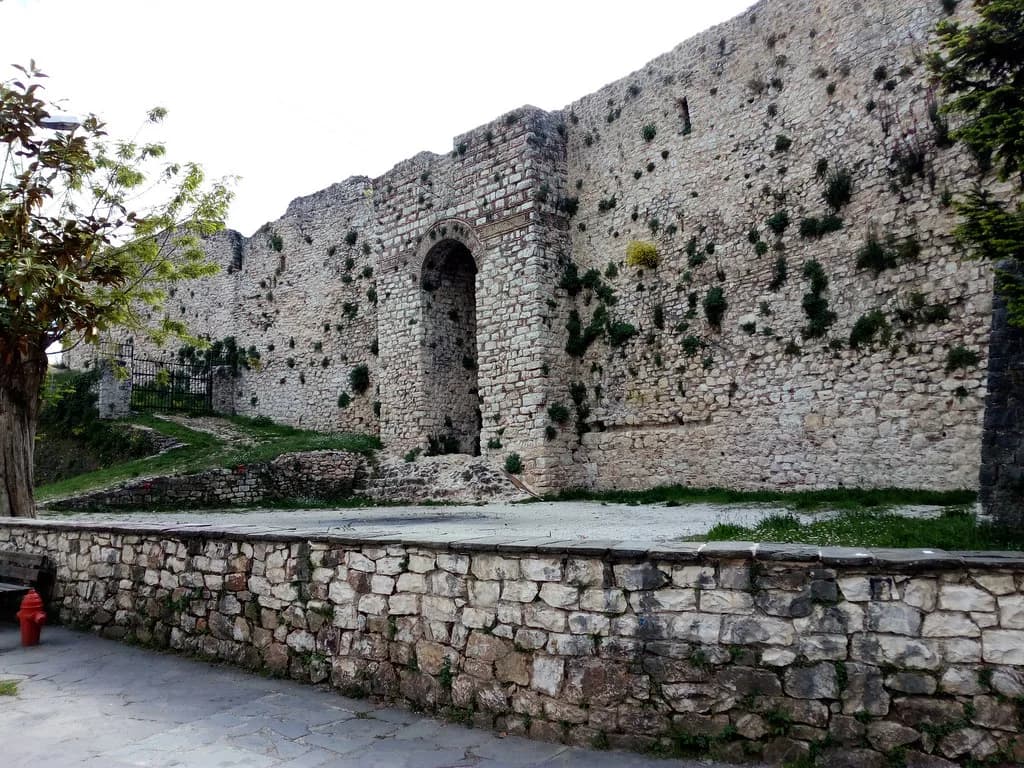
Ioannina Castle, locally called the Kastro, is best understood as a fortified neighborhood rather than a monument you buy one ticket for. Its walls enclose streets, mosques, a museum and two separate acropolises, so a visit works like a short walk through layers of Byzantine and Ottoman history. This guide explains the layout first, then what to see, so you do not leave having covered only half the site.
What Ioannina Castle Actually Is
The castle occupies the southeast side of Ioannina, directly beside Lake Pamvotis, and it has existed in some form since late antiquity. A local hotel's sightseeing page attributes its foundation to the emperor Justinian in 528 AD, when it was built to fortify the Byzantine Empire, and notes that the fortress was later the region's highest administrative center. Treat that early date as the traditional account rather than something you will see dated on site.
What stands today is largely a later structure: the same account says Ali Pasha rebuilt the castle in 1815, which is why the walls and gates read more Ottoman than early Byzantine. The practical consequence for a visitor is that you are walking through a working old quarter, with houses and lanes inside the circuit, not a cleared archaeological field. Plan for a neighborhood stroll with monuments along the way rather than a single exhibit hall.
Where It Is and How to Reach It
Look for the castle on the lake side of central Ioannina, at the southeast edge of the city next to Pamvotis. It sits within easy walking distance of the lakefront, so the simplest approach is to orient yourself by the water and follow the shoreline until the walls and gates appear. Because the castle is part of the city rather than a fenced site outside it, there is no single grand approach; you enter through the surviving gates from the surrounding streets.
If you are basing your day around the water, the lakefront promenade is the natural link between the castle and the rest of the city. Our guide to Lake Pamvotida, Ioannina sets out the shoreline walk and the boat connections, which helps you judge whether to combine the castle with a crossing to the island in the same afternoon. Allow extra time if you are visiting in summer, when the exposed sections inside the walls get hot.
A Short History in Plain Terms
Two dates do most of the work in explaining the castle's appearance. The first is 528 AD, the Justinian-era foundation cited in the local account, which places the origins of the fortifications in the early Byzantine period. The second is around 1815, when Ali Pasha, the Ottoman governor whose court made Ioannina a regional power center, rebuilt the fortress into much of the form you see now.
That pairing explains why the site feels layered rather than stylistically uniform. Byzantine churches sit close to mosques, a tomb and a former palace complex, and the walls themselves were reworked over centuries. For the wider story of the city beyond the castle, the Ioannina Attractions: 6 Visitor Guides collection shows how the archaeological material and the Ottoman-era monuments fit into one picture.
Getting Your Bearings: The Two Acropolises
Inside the circuit there are two fortified cores, and confusing them is the most common way to miss half the site. The northeast acropolis is known as Aslan Pasa, while the southeast one is Its Kale, the name you will see most often on signs and in museum references. Its Kale holds the densest cluster of monuments, so if your time is short, head there first and treat Aslan Pasa as the second half of the walk.
The distance between them is short enough to cover on foot, but the route bends through lanes and past residences rather than running in a straight line. Wear shoes that handle uneven stone and allow for a slow pace. A sensible order is to enter from the city side, cross toward Its Kale, see the main monuments there, and then loop back through the Aslan Pasa quarter before leaving by the lakefront.
What to See Inside Its Kale
Its Kale concentrates the headline monuments. The same local source lists the Serai of Ali Pasha, which now houses the city's Byzantine museum, along with the treasury, the Fethiye Mosque and the tomb of Ali Pasha. It also names the church of St. Anargyroi inside the castle, so a single circuit of Its Kale covers Ottoman, ecclesiastical and museum stops without leaving the walls.
The Fethiye Mosque and Ali Pasha's tomb sit close together in the Its Kale area, which makes them easy to pair. Read the tomb as a historical marker of the governor who reshaped the city, not as a religious shrine for visitors. For the museum collections themselves, our Byzantine Museum of Ioannina guide covers what the displays contain and how they fit with the buildings around them.
The Other Monuments Around the Circuit
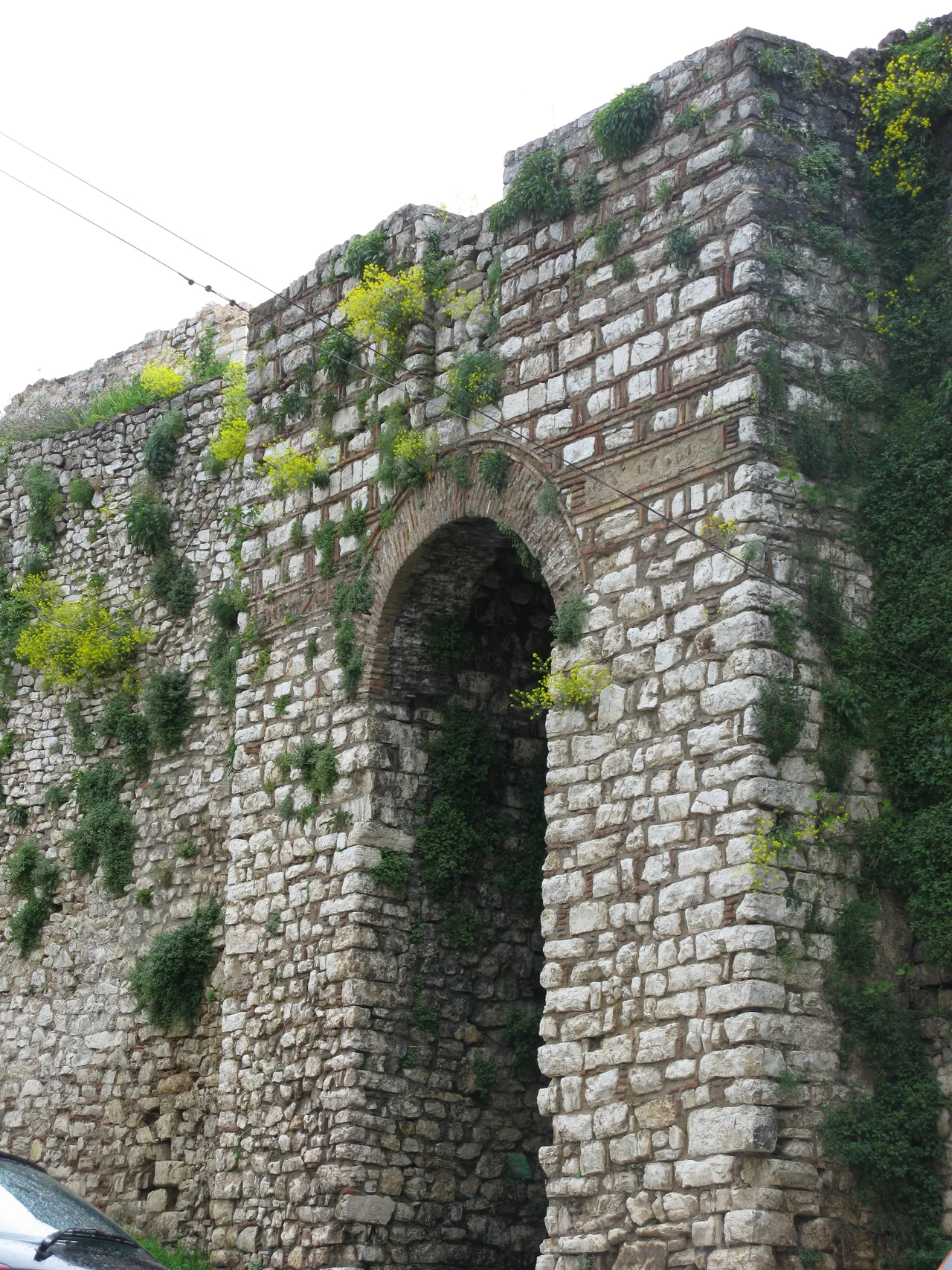
Beyond Its Kale, the source lists Aslan Pasa Mosque, a turbe (a small domed tomb), a medresse (a former religious school), a Turkish library, the Soufari Serai, a Byzantine bath and hammam, and a Jewish synagogue. Not every one is a visitor attraction in the conventional sense, and some are read from the outside. Treat the list as a map of what the walled quarter contains rather than a checklist to complete.
The Jewish synagogue is a reminder that Ioannina's old town belonged to several communities, and it is worth pausing on that history even if the building is not open when you pass. The Romaniote Jewish community of Ioannina has a long record in the city, and the castle quarter is where much of it was lived. Ask at the city's visitor information office before planning a visit around any single building's interior.
How Long to Allow
Budget at least two hours for the walls, the lanes and the principal monuments in Its Kale, and closer to three if you also want the museum displays and a full loop through Aslan Pasa. The site rewards slow walking: gates, inscriptions and reused stonework are easy to rush past. If you only have an hour, choose Its Kale and skip the outer circuit.
Time your visit around the light and the heat. The castle is exposed in places, and summer afternoons in Ioannina can be punishing on stone lanes with little shade. Early morning or late afternoon is more comfortable and gives better light across the lake for photographs. Carry water, since the walled quarter has few obvious places to stop inside the circuit.
Tickets, Opening Hours and Museum Entry
The castle is a walled quarter with public lanes, but individual monuments inside it, including the museum in the Serai complex, are separate visiting propositions with their own arrangements. Current opening hours, closure days and any admission charges for the museum and other buildings are not fixed in the sources used here, so check at the entrance or with the city's visitor information before you build a day around a specific interior. One check of the museum's own listing before you go will settle the question.
Do not assume a single combined ticket covers everything inside the walls, and do not assume entry to every monument is free. The safe approach is to plan the walk first and treat interiors as optional additions you confirm on the day. That way a closed museum or a locked mosque does not undo the visit.

Practical Tips for the Walk
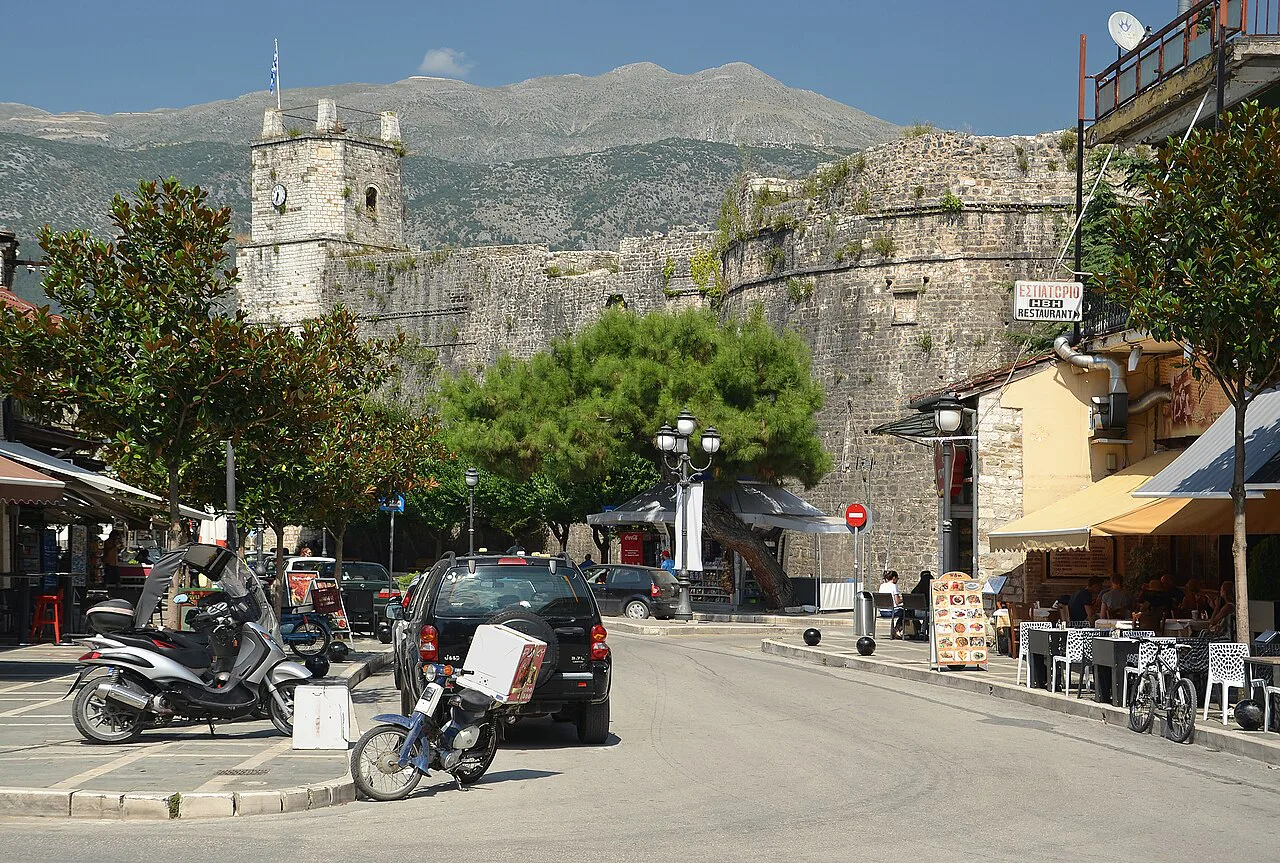
Expect uneven paving, steps and narrow passages between buildings, and wear footwear that copes with polished stone in wet weather. The circuit is short in distance but slow in pace, so a light bag and water matter more than a detailed schedule. If you are travelling with someone who finds steps difficult, concentrate on the Its Kale area and approach from the gentler city-side entrances.
Photographers should think about direction as well as time of day. The walls face the lake on one side and the city on the other, so a morning walk and an evening walk give quite different pictures of the same lanes. Late light over Pamvotis is the classic view, and it pairs naturally with a lakeside stroll afterward.
What's Nearby
The lakefront is the obvious companion to a castle visit, and it is where you will find the boats across to the island. Our Ioannina Island (Nissi) guide explains what waits on the other shore, including its monasteries and its association with Ali Pasha, which makes a natural sequel to the tomb and Serai inside the walls. Allow a separate block of time for the crossing rather than squeezing it into a castle morning.
If you want more of the city's history after the castle, the Archaeological Museum of Ioannina covers the region's older material and balances the Ottoman and Byzantine emphasis inside the Kastro. For a broader plan covering the lakefront, the island and the museums together, the Ioannina Attractions: 6 Visitor Guides page is the place to start. The molos ioannina waterfront is also close enough to fold into the same walk.
Common Mistakes to Avoid
The biggest error is treating the castle as a photo stop at the gate. The gates are photogenic, but the substance of the site is inside: two acropolises, a mosque, a tomb and a museum complex that take real time to see. Arriving with twenty minutes and leaving with a wall picture is the surest way to miss what makes the Kastro worth the detour.
The second error is expecting one enclosed monument with a single entrance desk. Ioannina Castle is a living quarter, and its monuments are scattered through lanes with their own access rules. Plan the walk as the main event and the interiors as variable extras, and check opening arrangements before you commit to a specific building.
Plan Your Visit
Ioannina Castle works best as a half-day walk built around Its Kale, with the Aslan Pasa quarter as a second loop and the lakefront as the natural finish. Go early or late for cooler stone lanes and better light, wear shoes for uneven ground, and carry water. Before you set out, confirm the current opening arrangements and any charges for the museum and the monuments you most want to see inside the walls.
Explore more Ioannina sauna guides
Frequently Asked Questions
Is Ioannina Castle free to enter?
The castle is a walled old quarter with public lanes, so walking through it is not the same as buying a ticket for a single site. Individual monuments inside, including the museum in the Serai complex, may have their own arrangements and charges. Check current entry conditions at the entrance or with the city's visitor information.
How long does it take to visit Ioannina Castle?
Allow about two hours for the principal monuments and the lanes of Its Kale, and closer to three if you add the museum displays and a full loop through the Aslan Pasa quarter. If you have only an hour, concentrate on Its Kale and leave the outer streets and the lakefront for another time of day.
What is there to see inside Ioannina Castle?
Its Kale holds the densest cluster: the Fethiye Mosque, the tomb of Ali Pasha and the former Serai of Ali Pasha, which houses the city's Byzantine museum. The castle also contains the church of St. Anargyroi, the Aslan Pasa Mosque, a turbe, a medresse, a Turkish library, the Soufari Serai, a Byzantine bath and hammam, and a Jewish synagogue.
What is the difference between Its Kale and the rest of the castle?
Ioannina Castle contains two fortified cores. Its Kale is the southeastern acropolis and holds most of the monuments visitors come for, including the mosque, tomb and museum complex. The northeastern acropolis, Aslan Pasa, is the quieter second half of the circuit and is easy to skip if you do not plan the walk in advance.
Is the Byzantine Museum inside Ioannina Castle?
Yes. The city's Byzantine museum is housed in the Serai of Ali Pasha within Its Kale, according to the local sightseeing account of the castle. Opening hours and admission for the museum are set separately from the lanes of the walled quarter, so confirm them before you plan a day around the collection.
Where is Ioannina Castle located?
The castle sits on the southeastern edge of central Ioannina, directly beside Lake Pamvotis. It is within walking distance of the lakefront, so orient yourself by the water and follow the shoreline to the gates. There is no single grand approach, since the castle is part of the city rather than a fenced site outside it.
What should I see nearby after the castle?
The lakefront promenade is the natural next step, with boats across to Ioannina Island and its monasteries. The Archaeological Museum of Ioannina covers the region's older history, while the molos waterfront is close enough to add to the same walk. Each of these is a separate stop with its own timing.