
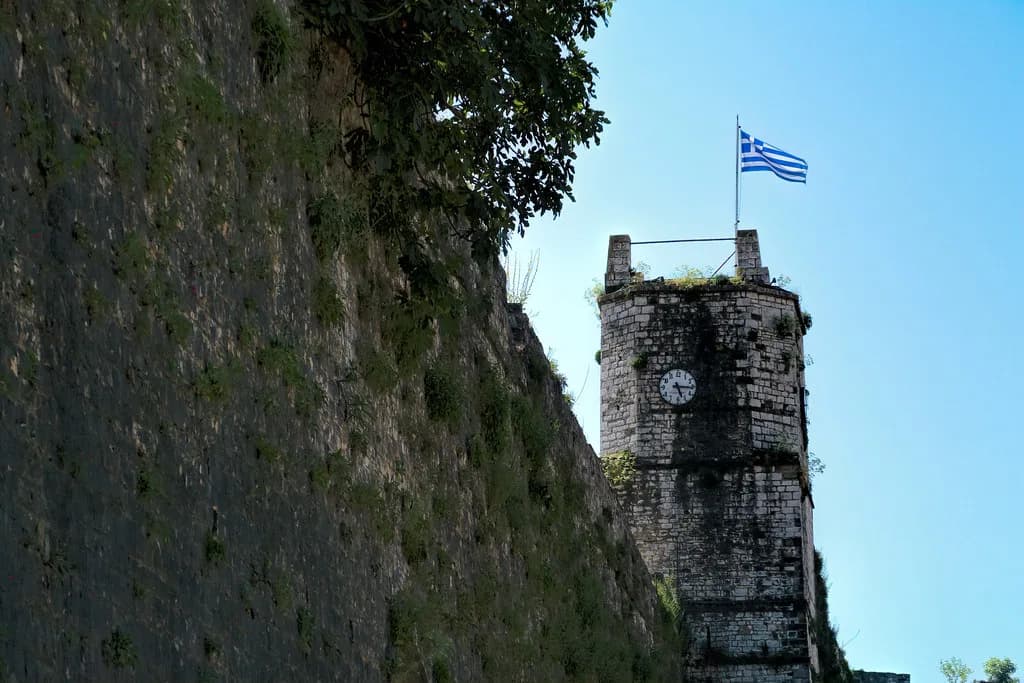
Byzantine Museum of Ioannina: What to See Inside the Castle
The Byzantine Museum of Ioannina is not a standalone building on a city street: it occupies part of the Castle of Ioannina, in the southeastern acropolis known locally as Its Kale. That setting shapes the whole visit, because you walk through a walled citadel before you reach a single display case. Planning the museum and the castle as one outing saves time and avoids a rushed look at either.
The collection focuses on Byzantine and post-Byzantine religious art associated with the Epirus region, with icons and church objects as the core. The museum experience here is split across more than one spot inside Its Kale, so it helps to know before arriving which parts you want to see and how they connect to your ticket.
Where the Museum Sits Inside the Castle
The museum lies within the Castle of Ioannina, the old walled core of the city on the peninsula that pushes into Lake Pamvotida. Its Kale, the southeast acropolis, is the raised inner section at the top of the castle, and the museum is inside that enclosure rather than in the lower town. The address the museum publishes is simply Castle of Ioannina, Ioannina 45221.
Because the site is a citadel, expect uneven ground, slopes and steps between the gates and the museum buildings, and allow extra minutes for the walk in. The lake sits directly below the walls, so the approach doubles as a viewpoint. If you are combining the museum with the rest of the old town, the castle is the natural anchor for the morning.
How to Reach the Entrance From the Old Town
Most visitors enter the castle from the old town side, walking up from the streets around the bazaar quarter into the gate and then following the signed route toward Its Kale. The climb is short but steady, and in summer the exposed stone paths get hot, so a morning start is easier than midday. Note that the museum's own address is given only as the castle itself, so use Its Kale as your landmark rather than a street number.
If you are coming from the lakefront promenade, the walk up into the castle adds roughly fifteen to twenty minutes depending on pace and where you start. Public transport in Ioannina is centred on the modern town rather than the citadel, so the final stretch is on foot either way. Travellers arriving by bus or car should park or alight in the centre and continue uphill.
The Building: A Hospital Over Ali Pasha's Residence
The main museum collection is housed in the building constructed as a military hospital, which was raised over the ruins of the residence, or serai, of Ali Pasha, the Ottoman governor associated with Ioannina. That layering is part of what you are looking at: a nineteenth-century institutional building standing on the footprint of a much older palace complex. Knowing this makes the architecture as interesting as the cases inside.
Ali Pasha's court made Ioannina a regional power centre, and the castle was its fortified heart. The museum building therefore sits at the exact point where the city's Ottoman and Christian histories overlap, which is a useful frame for the religious art on display. There is no need to read up beforehand; the setting itself explains much of the context.
What the Collection Covers
The core of the collection is Byzantine and post-Byzantine icons and religious art from the Epirus region, the kind of material that dominated church decoration and private devotion for centuries. Alongside these, the displays include everyday objects used by ordinary men and women, which balance the gold-ground paintings with household and personal items. Read the labels for dates and provenance, since the regional spread is what gives the collection its character.
If you are new to Byzantine art, note that icons are painted panels of holy figures used in Orthodox worship, not portraits in a modern sense. Look for how the same subjects recur across different centuries and workshops, which is where the interest lies for most visitors. The museum is a compact rather than exhaustive experience, so a focused hour rewards more than trying to absorb every label.
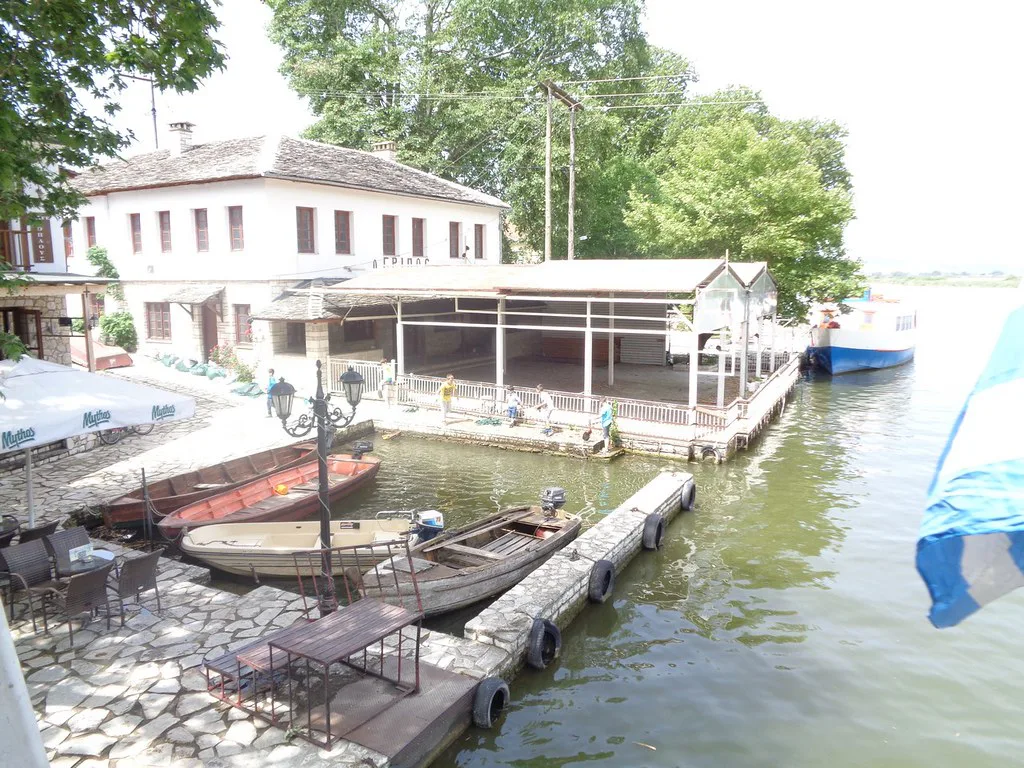
The Silverwork Collection in the Treasure Chest
A separate silverwork collection is kept in the so-called Treasure Chest, a structure at the centre of the citadel rather than inside the main museum building. This matters for planning: if you only visit the hospital building, you will miss the metalwork entirely. Ask at the ticket desk how the Treasury fits with your admission so you see both parts in one outing.
Ioannina's silverworking tradition is one of the city's best-known craft histories, and this is the place to see examples in context. Give the Treasury a short, separate slot of its own rather than treating it as an afterthought at the exit. Its location at the heart of Its Kale also makes it a natural midpoint between the museum and the rest of the acropolis.
The Fethiye Mosque Exhibition
The Fethiye Mosque inside the citadel houses an exhibition on the history of the city, which is presented as part of the museum's overall offer rather than a separate attraction. The mosque is one of the most visible landmarks of Its Kale, so most visitors pass it anyway; stepping inside adds the city's wider story to the religious art seen in the main building. Check on arrival whether the exhibition is open that day, since display areas can be closed independently.
Together, the main collection, the Treasury and the mosque exhibition form three distinct pieces of a visit. Deciding in advance whether you want all three, or just the icons, sets how long you need inside the walls. For most travellers, seeing all three in one continuous loop is the most efficient approach.
Opening Hours and Tickets
Hours change with the season and the museum closes on Tuesdays, so Tuesday is the one day to avoid planning around it. In winter, from 1 November to 31 March, it opens 08:30 to 15:30; in summer, from 1 April to 31 October, hours extend from 08:00 to 20:00. Last admission is twenty minutes before closing time, and the current ticket price is listed on the museum's own page. Greek state museums also waive admission on certain dates, including the first Sunday of each month from November to March, so a winter Sunday can be free.
Because hours and free-admission days can be adjusted, confirm them on the museum's own listing or with the Ministry of Culture before you travel, especially if you are building a day trip around it. A Tuesday closure is the mistake most likely to derail an itinerary, so check the weekday first and the season second.
Access, Facilities and Booking
The museum lists a ramp, braille signs, tactile material, a map and information among its services, which makes it more accessible than many historic buildings in walled citadels, though the castle grounds themselves remain uneven. There is also a museum shop and a cafe on site, so you can break the visit without leaving Its Kale. The museum lists e-ticket purchase as an option; whether you need to book ahead depends on the season, and the museum has not published a mandatory booking rule.
In practice, this is a small museum inside a free-to-enter castle, so queues are rarely the issue that they are at major archaeological sites. If you want to be certain, buy through the official e-ticket route or call the museum on its published number before a holiday weekend.
How Long to Allow
Budget about an hour for the main collection and the Fethiye Mosque exhibition, then add twenty to thirty minutes for the Treasury and the walk between them. That puts a comfortable museum-focused visit at roughly ninety minutes inside the walls. Add another half hour if you want to walk the citadel's viewpoints and read the outdoor panels.
The trade-off is depth versus breadth: the castle also holds the clock tower viewpoint and the lakeside walls, and squeezing them all into one hour means rushing the icons. A two-hour block for Its Kale as a whole is a realistic compromise. If your time is tight, see the main building and the Treasury and leave the walk for the evening.
What Else Is Nearby
Within the citadel, the clock tower gives a rooftop-level view over Ioannina's roofs and the lake, and the walls along the water are a short walk from the museum. Both are options rather than obligations, and neither needs a ticket beyond the castle itself. The old town's bazaar streets just outside the gate are the obvious next stop for coffee or shopping.
Beyond the castle, Ioannina Island, reached by a short boat crossing on Lake Pamvotida, is a natural half-day extension for travellers with a second day, while the lakeside Molos promenade is the easiest evening walk from the centre. If your interests run to antiquity, the region's older sites reward a separate trip rather than a squeezed afternoon. More ideas sit in the wider Ioannina Attractions collection.
After the museum, eating is easiest in the old town lanes between the castle gate and the bazaar, where tavernas and bakeries cluster within a few minutes' walk of the walls. Ioannina is known for its lake fish and for its sweets, so a late lunch of grilled fish or a plate of local pies fits naturally after a morning in the citadel.
Plan Your Visit
Treat the Byzantine Museum of Ioannina as the centre of a two-hour block inside Its Kale: main collection first, then the Treasury, with the Fethiye Mosque exhibition slotted in between. Check the weekday, since the museum closes on Tuesdays, and match your arrival to the winter or summer timetable rather than assuming one set of hours.
Before you go, check current opening hours and free-admission dates on the museum's official listing, since schedules shift between seasons and around public holidays. Those few details settled, the rest of the visit is simply a walk uphill into a walled citadel and an hour among Epirus icons.
Explore more Ioannina sauna guides
Frequently Asked Questions
Where exactly is the Byzantine Museum of Ioannina?
It sits inside the Castle of Ioannina, in the southeast acropolis known as Its Kale. The published address is Castle of Ioannina, Ioannina 45221. You enter through the castle and walk uphill to the inner citadel rather than finding a street-level museum entrance in the modern town.
Is the museum open on Tuesdays?
No. The museum closes on Tuesdays year-round, which applies to both the winter and summer timetables. If Tuesday is your only day in Ioannina, plan the castle walk, the bazaar lanes and the lakefront instead, and shift the museum to another morning.
How long should I spend at the museum?
Allow around ninety minutes to cover the main collection, the Fethiye Mosque city-history exhibition and the separate silverwork Treasury, including the short walks between them. A two-hour block for Its Kale as a whole lets you add the clock tower viewpoint and lakeside walls without rushing the icons.
Does one ticket cover the main building and the Treasure Chest?
The silverwork collection is kept in the so-called Treasure Chest at the centre of the citadel, apart from the main building. Ask at the ticket desk how the Treasury fits with your admission before you start, so you do not leave the acropolis having seen only half of the museum's holdings.
Do I need to book tickets in advance?
The museum lists e-ticket purchase as an option but has not published a mandatory booking rule. As a compact museum inside a castle, it rarely draws the queues of major archaeological sites. If you are visiting around a public holiday, call the number on the museum's listing to be sure.