
Archaeological Museum of Ioannina: What to See and How to Plan a Visit

The Archaeological Museum of Ioannina is the place to build context before touring the ancient sites of Epirus, the region of northwestern Greece that surrounds the city. Its displays are devoted to finds from the region rather than to a single monument, so a stop here works well as a rainy-day plan or as preparation for a trip out to Dodona. This guide covers what the collection holds, how long to budget, and which practical details you must confirm yourself.
Quick Orientation: What This Museum Is and Who It Suits
This is a regional archaeological museum, meaning its galleries interpret the material culture of Epirus from prehistory through antiquity instead of presenting a single excavation. That makes it most useful to travelers who plan to see Epirote sites such as Dodona and want the objects and chronology explained first. It also suits anyone with a free half-day in the city when the weather rules out the lake and the old quarter.
For a short city stop, treat the museum as a focused one-topic visit rather than a whole-day attraction. The trade-off is clear: time spent here is time not spent walking the historic center, but the background it supplies makes later site visits easier to read. If you are in Ioannina for a single day, decide between the museum and the old town rather than trying to compress both.
Where It Is in Ioannina
The museum stands within Ioannina rather than at an out-of-town archaeological site, so it can be folded into a day in the city. Published descriptions of the building refer to a west entrance, which is the side to look for if you approach on foot and want a clear reference point. The museum's setting in the city makes it a practical pairing with the historic center rather than a separate excursion.
A photograph of the exterior is the most reliable way to recognize the building before you arrive, particularly if you are navigating without a data connection. Save the image to your phone and match it against the facade rather than relying on a street number alone. For an exact address and a pin on the map, use the museum's own listing or the city map rather than an approximation.

How to Get There
Because the museum sits inside the city, it is reachable on foot from the central area, by local taxi, or by city bus depending on where you are staying. Ask your accommodation which bus line serves the museum's neighborhood and confirm the stop name locally, since route numbers and timetables change. For a group of two or more, a short taxi ride often costs less hassle than working out an unfamiliar bus route.
If you arrive by car, check parking options in the immediate streets with your hotel or the museum staff, because on-street parking rules in Greek city centers are enforced by wardens and signage is not always in English. Allow extra buffer time on weekday mornings when school and commuter traffic builds. Nothing about the museum's own parking arrangements should be assumed without checking.
What the Collection Covers
The galleries are dedicated to the people and finds of Epirus, taking the story from prehistoric material into classical and later antiquity. Objects are presented as regional archaeology, which means you learn how this corner of Greece was settled, buried and traded with rather than following a national timeline. Read the introductory panel in each room before the cases; the sequence makes the rest of the displays much easier to follow.
Because the museum is organized by region, it rewards a little preparation. Skim the section on Epirus in your guidebook the night before, then use the museum to fill in the objects you will later see at open-air sites. Travelers who skip the labels and walk straight through will miss most of the point of a regional collection.
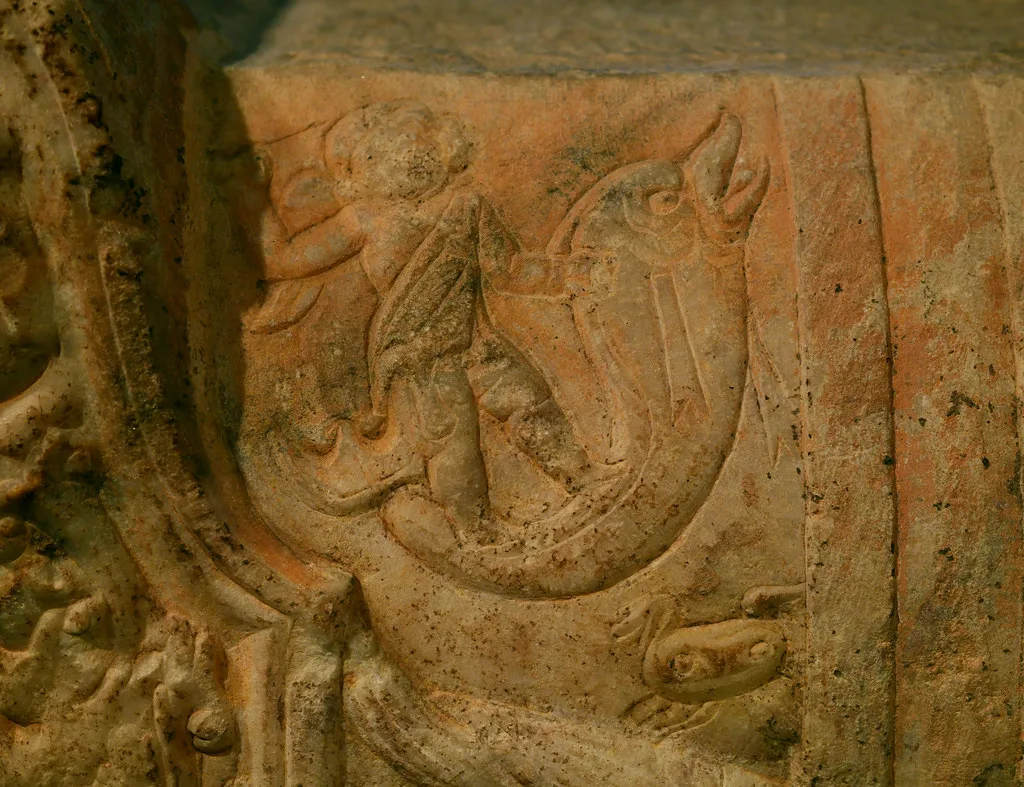
Exhibit Highlights Named in Published Descriptions
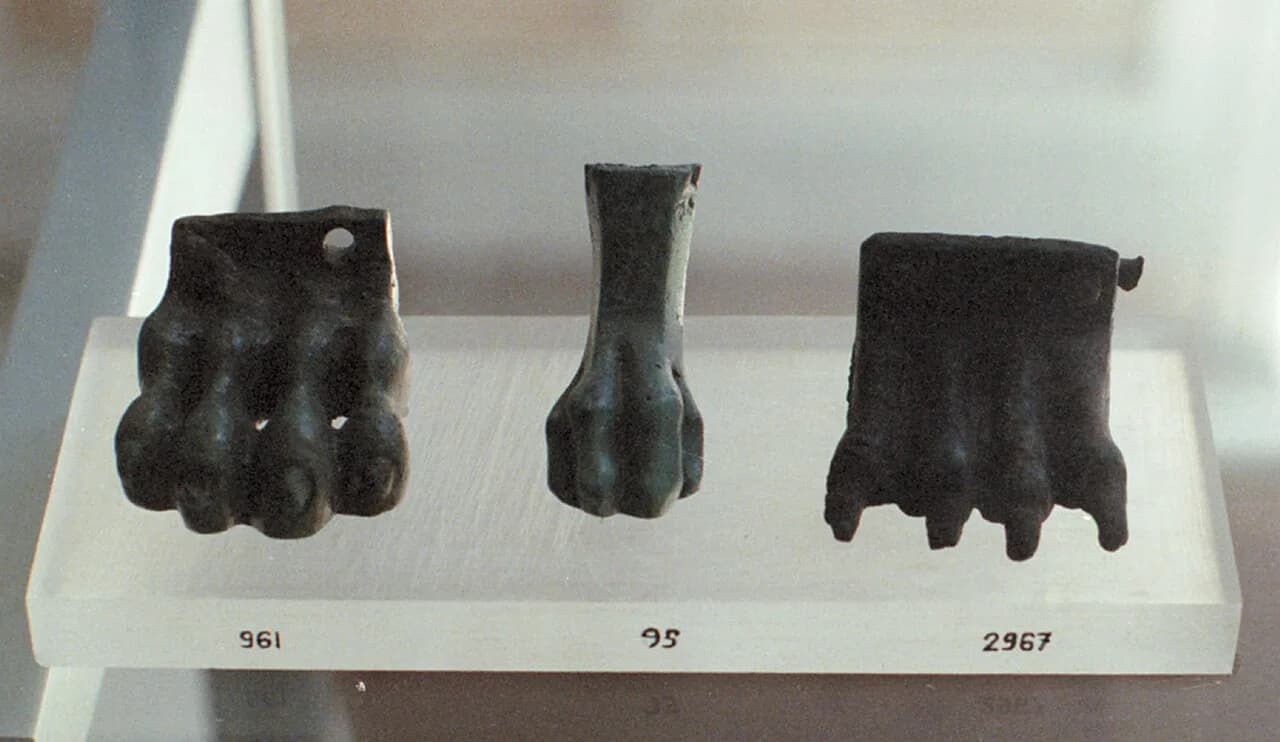
One published description of the museum flags a set of unexpected themes: an oracle, antiquities trafficking, war elephants and Neanderthal material, presented as the surprises the collection holds. Treat these as the themes to look for rather than as a checklist of specific objects, since the museum's own labels and any temporary displays may organize them differently. If a theme matters to you, ask at the desk which room covers it so you do not wander past it.
The range is what distinguishes this museum from a single-period collection: prehistoric material sits alongside classical finds, and the trafficking theme connects the objects to the history of how they were recovered. That breadth is an argument for giving the galleries proper attention rather than a quick walk-through. It is also an argument for pacing yourself in the rooms that cover the periods you know least about.
The Museum's History
The museum was inaugurated in 1970 and closed in 2003 so that it could be refurbished, according to an academic description of the building. That sequence explains why the displays read as a modern reinstatement of an older institution rather than a purpose-built new museum. No reopening date is published in that source, so do not plan around an assumed year of reopening.
How Much Time to Allow
Budget roughly one to one and a half hours for a deliberate visit, and closer to two if you read the labels and take the prehistoric rooms seriously. Cut that to about forty-five minutes if you are visiting mainly to prepare for Dodona and want only the regional overview. The galleries are the kind of collection where a second pass is more useful than a first pass done at speed.
Pace the visit around the main galleries rather than trying to see every case. Choose two or three periods you care about, give them your full attention, and skim the rest; this is especially sensible on a hot day or when traveling with companions who tire of museums quickly. Check whether any temporary exhibition is running before you set your time budget, since it may add a room.
Tickets, Opening Hours and Closure Days
Opening hours, ticket prices, reduced-rate categories and weekly closure days are not fixed facts you should rely on from a secondary article. Confirm them on the museum's official page through the Greek Ministry of Culture, or by phone, before you travel, and re-check on the day for holiday variations. Greek state museums commonly close on one weekday and on public holidays, so build your plan around a confirmed day rather than an assumed one.
If you are combining the museum with other archaeological sites, ask at the ticket desk whether any combined or multi-site ticket applies to your route, including Dodona. Those arrangements change, and the answer at the desk is more reliable than any figure quoted online. Carry identification if you intend to claim a reduced rate, since proof of age or status is usually requested.
Who Should Prioritize This Museum and Who Might Skip It
Prioritize the museum if you are heading to Dodona or other Epirote sites and want the finds explained before you stand in front of the ruins. It also earns its place on a rainy day, when the alternative is a wet walk around the castle. Families with children old enough to read labels will find the prehistoric and elephant material easier to hold onto than a room of unlabeled pottery.
Skip it, or keep the visit short, if your time in Ioannina is limited to an afternoon and you would rather spend it outdoors. The honest trade-off is between indoor context and the city itself: galleries versus the old quarter, the lakefront and the boat trip out to the island. Neither choice is wrong, but trying to do both in a few hours leaves you rushing both.
Nearby Options to Pair With the Museum
The most natural pairing in the city is the Byzantine Museum of Ioannina, which continues the story into the Christian period and sits in the historic center. Pairing the two makes a coherent indoor day if the weather turns, and each collection covers ground the other leaves out. Confirm both sets of hours before committing, since mismatched closure days can spoil the plan. If you enjoy comparing regional collections, the Archaeological Museum Rhodes follows the same logic on another island.
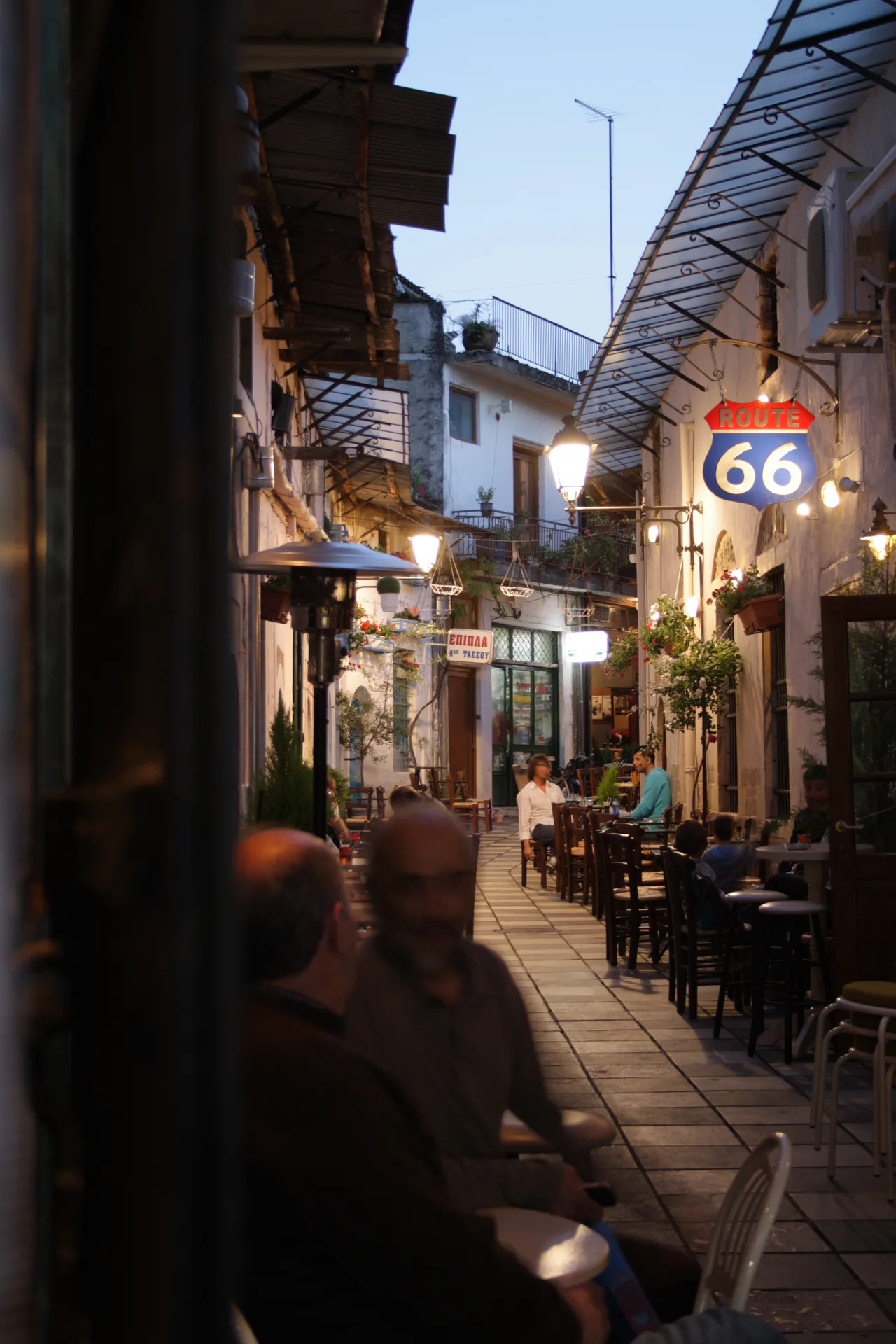
Outdoors, the lakefront and the Molos promenade are an easy walk-and-coffee complement to a museum morning, and the castle area adds the Ottoman-era layers of the city. If you have a full day, do the museum first and the waterfront afterward, when the light is better and the cafes are open. Keep the museum as the anchor of the day and let the rest of the city fill in around it.
Plan Your Visit
The Archaeological Museum of Ioannina is worth a morning if you want the archaeology of Epirus explained before you see it in the field, and it is a sound wet-weather substitute for a day outdoors. Confirm the current opening hours, ticket price and closure day through the museum's official channel, then budget an hour or two depending on how deeply you read the galleries. Build the rest of your day around the lakefront or the castle rather than trying to squeeze everything in.
Explore more Ioannina sauna guides
Frequently Asked Questions
What can you see at the Archaeological Museum of Ioannina?
The galleries cover finds from Epirus, the region around Ioannina, from prehistoric material through classical and later antiquity. Published descriptions of the museum single out themes such as an oracle, antiquities trafficking, war elephants and Neanderthal material as the collection's surprises. Treat those as themes to look for rather than a fixed list of objects, and ask at the desk which room covers a theme you care about.
How long does a visit to the Archaeological Museum of Ioannina take?
Allow roughly one to one and a half hours for a deliberate visit, or up to two if you read the labels carefully and spend time in the prehistoric rooms. A focused pass of about forty-five minutes works if you mainly want a regional overview before visiting Dodona. Check whether a temporary exhibition is running, since an extra room changes the time budget.
Is the Archaeological Museum of Ioannina worth visiting?
It is most valuable if you plan to see Epirote sites such as Dodona and want the finds and chronology explained first, and it is a sensible indoor option on a wet day. If your stay in Ioannina is only an afternoon, the trade-off is between gallery context and time outdoors at the castle, lakefront or island. Decide which you would rather do rather than rushing both.
When did the Archaeological Museum of Ioannina open?
An academic description of the building states that the museum was inaugurated in 1970 and closed in 2003 for refurbishment. That source does not give a reopening date, so don't plan around an assumed year. Check the museum's official channel for current access and hours.
What are the opening hours and ticket prices for the museum?
Hours, ticket prices, reduced-rate categories and weekly closure days change, so confirm them on the museum's official page through the Greek Ministry of Culture or by phone before you go. Ask at the desk whether a combined or multi-site ticket covers other sites on your route, including Dodona. Carry identification if you intend to claim a reduced rate.