
Lato Archaeological Site: A Practical Guide to Ancient Lato, Crete
Lato was a Doric city-state on a hill in the Lassithi region of eastern Crete, looking down on Mirabello Bay. It is an exposed, open-air site rather than a museum, and the reason to go is the combination of standing walls, a clear civic plan and a view that explains why the city was placed there.
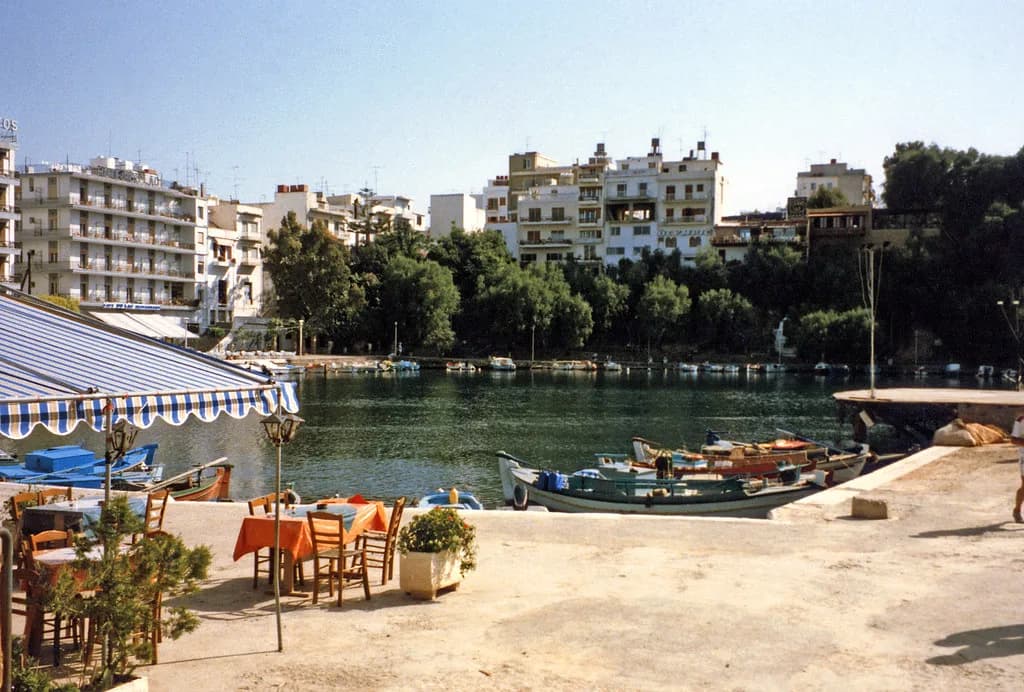
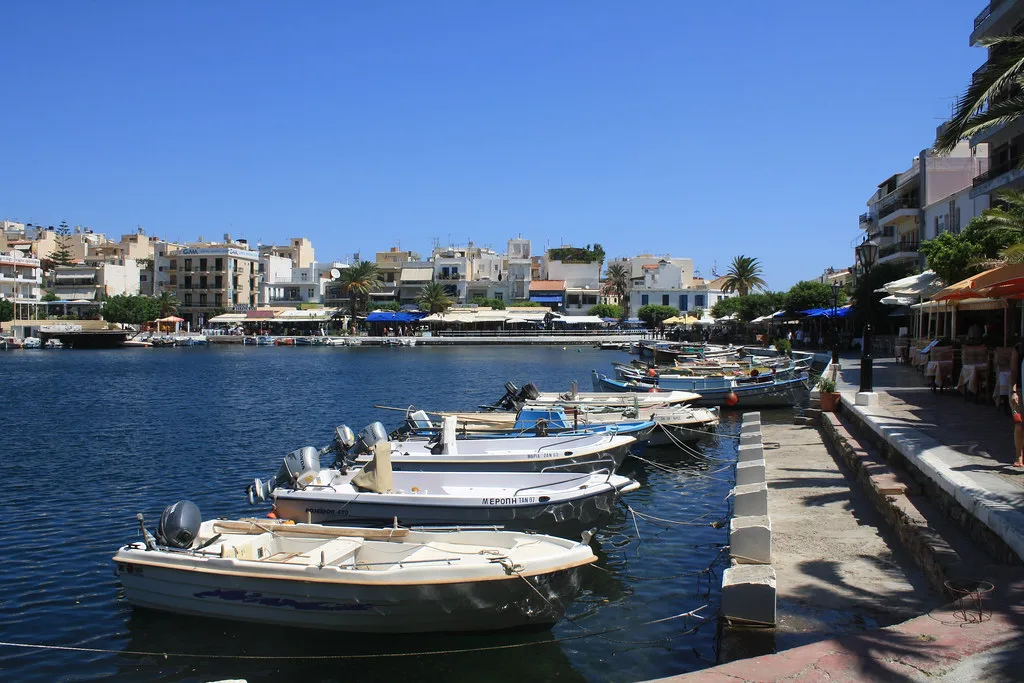
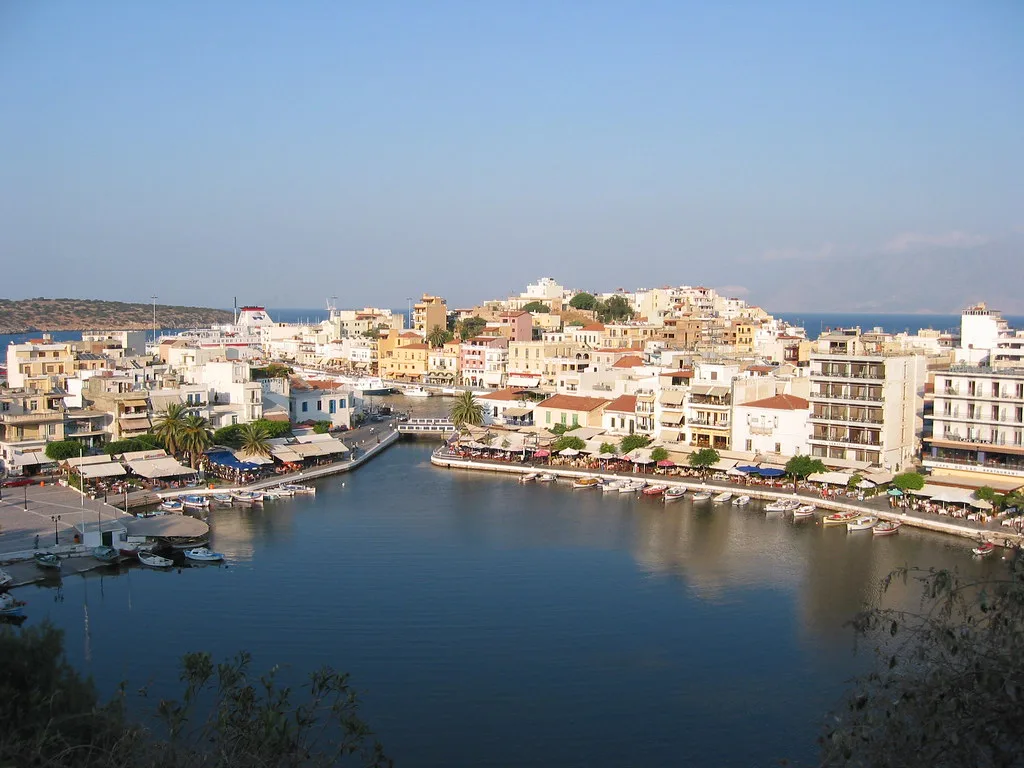
One point confuses first-time visitors: the ruins are inland, but ancient Lato's port was Kamara, at the site of today's Agios Nikolaos. Maritime trade pulled people down to the coast and the hilltop city was gradually abandoned, which is why you now walk through ruins above the village of Kritsa rather than beside a harbour.
Where Lato Is
The site sits on a hill north of Kritsa, roughly 11 kilometres from Agios Nikolaos, off the Kritsa to Lakonia road. The hilltop position was a natural fortification and let the city control the pass between central and eastern Crete, so the setting is part of the story rather than scenery around it.
Views from the top take in Mirabello Bay, with Agios Nikolaos visible in the distance. If you are based in that town, Lato is a half-day outing rather than a full-day expedition; the wider selection of things to do around the town is covered in the Agios Nikolaos Attractions guide, which is useful for planning the rest of the day.
How to Get There by Car
Driving is the simplest option. The site is reached from both Agios Nikolaos, about 20 minutes away, and Heraklion, roughly an hour and a half, and there is a parking area near the entrance. A car also lets you pair the ruins with Kritsa village in the same outing.
The road is winding and the final stretch is on a minor road, so allow a little slack if you are coming from Heraklion and want to arrive before the afternoon. The Ministry of Culture and Sports lists the site among Cretan archaeological sites, which is the place to start if you want background on the monuments before you arrive.
Getting There Without a Car
There are no buses to the site itself. Public buses run from Agios Nikolaos to Kritsa several times a day, and from Kritsa you either take a taxi or walk north for about 3 kilometres to reach Lato. The trade-off is clear: the bus is cheaper, but the taxi adds cost and the walk adds time and exposure to sun.
Taxis are available in both Agios Nikolaos and Heraklion, and a taxi from either town costs more than the bus, though the sources do not give fares. Ask the driver about the return leg before you set off, since the site is not on a bus line and you do not want to be stranded at the entrance.
The City Gate and Stepped Roadway
About 100 metres past the ticket gate you enter through the city gate, and a long stepped roadway climbs to the agora. Along the way you pass a wall with two towers, houses, and buildings that held shops and workshops, so the approach is itself an introduction to how the city was laid out.
The ground is uneven and the steps are ancient, so wear shoes with grip rather than smooth soles. Traveller reviews describe the uphill walk as worthwhile for the amount that survives, which is a fair warning that the approach takes effort.
Agora, Stoa and Temple
At the top of the steps, near the agora, or marketplace, you can see the remains of a colonnaded stoa, a covered portico where civic business was transacted. Beside it are the ruins of a rectangular temple where many figurines from the sixth century BC were found, which helps explain the city's religious role.
The deep ditch to the left of the temple served as the public cistern, a reminder that a hilltop city had to store its own water. The best surviving finds from Cretan sites of this kind tend to end up in regional museums, and the Archaeological Museum of Agios Nikolaos is the obvious place to look for context on the wider region.
The Prytaneion and Sanctuary Terrace
A grand staircase behind the cistern leads up to the Prytaneion, the administrative centre, where a central hearth was surrounded by stepped benches used by the city's leaders. Climbing the slope south of the agora brings you to a terrace with another sanctuary and a three-step altar, with a view over the whole site.
The Prytaneion is the part that makes Lato legible as a working city rather than a scatter of stones: you can read the seating, the hearth and the rooms as a single administrative building. Give this area a few minutes rather than passing straight through.
Theater and Exedra
To the east of the terrace, seating for around 350 people is cut into the rock, alongside an exedra, an open portico with seats. The scale suggests public gatherings and performances were part of civic life, and the rock-cut benches are among the clearer remains on site.
Because the seating follows the slope, it is easy to miss if you keep your eyes on the path. Look east from the sanctuary terrace before you start back down toward the gate.
How Much Time to Allow
Most visitors spend up to about an hour in the area, which covers the walk from the gate, the agora, the Prytaneion and the theater without rushing. Add time if you read the signage carefully, photograph the views or rest on the climb.
The site rewards slow walking more than speed, but it has little shade and no facilities, so an hour in high summer can feel longer than it sounds. Plan the visit for the morning and carry water.
Tickets and Opening Hours
One listing gives adult tickets at 3 euros and reduced tickets at 2 euros, with a summer and winter schedule of 08:30 to 15:30, closed on Tuesdays and major holidays. Treat those figures as published information rather than a guarantee and confirm current details with the site or the Ministry of Culture and Sports before you travel, because hours can change seasonally.
The official ministry page for the site is the place to check for authoritative information on access and any temporary closures. If you are building a day around Lato, check it the day before rather than relying on a guidebook printed months earlier.
Practical Notes on Site
There are no toilets and no Wi-Fi at the site, and the listing notes no facilities for visitors with disabilities, so plan accordingly before you leave Kritsa or Agios Nikolaos. The terrain is uneven, there is little shade and the hilltop is exposed to sun and wind, so bring water, a hat and sun protection.
Respect the ruins by staying off the walls and out of the structures, and take everything you bring back down the hill with you. That is standard practice at Greek archaeological sites and keeps the remains open to everyone.
Combining Lato With Kritsa
Kritsa is a short drive from Lato and makes a natural pairing, with traditional houses, narrow streets and local shops to wander before or after the ruins. Doing the village first means you arrive at the site early, when the light is softer and the climb is cooler.
If you have a car, the nearby Panagia Kera Church near Kritsa is another short stop in the same area, known for its frescoes. Keeping the day to Lato, Kritsa and one church keeps it manageable rather than turning it into a dash between sights.
Nearby Options in Eastern Crete
Agios Nikolaos, the coastal town that replaced Lato's port of Kamara, is about 11 kilometres away and works well as a base for this part of Lassithi. Its old town, harbour and small lake are separate outings rather than part of the archaeological visit.
Elounda and Spinalonga lie further north and are best treated as their own trips, with a boat crossing to the island fortress. Adding them to a Lato day would stretch the driving and leave little time on the hill.
Plan Your Visit
Lato suits travellers with a car who want a compact, legible ancient city and a hilltop view rather than a polished museum experience. The trade-off is the detour inland and the lack of facilities, so pair it with Kritsa or a coastal stop rather than making it the whole day.
Before you go, confirm the current opening hours and ticket price with the site or the Ministry of Culture and Sports, and check whether the day you plan falls on a Tuesday closure. Then set out early, wear shoes with grip, carry water and give yourself an hour on the hill.
Explore more Agios Nikolaos sauna guides
Frequently Asked Questions
Where is the Lato archaeological site?
It is on a hill north of the village of Kritsa, in the Lassithi region of eastern Crete, roughly 11 kilometres from Agios Nikolaos and off the Kritsa to Lakonia road. The ruins overlook Mirabello Bay, with Agios Nikolaos visible in the distance.
How do you get to Lato from Agios Nikolaos?
The usual approach is by car, a drive of about 20 minutes, with parking near the entrance. Without a car, take a public bus from Agios Nikolaos to Kritsa, then a taxi or a walk of roughly 3 kilometres north to the site; there is no bus to the ruins themselves.
Is there a bus to the Lato site?
No. The nearest bus stop is in Kritsa village, served by public buses from Agios Nikolaos several times a day. From Kritsa you need a taxi or a walk of about 3 kilometres up to the entrance.
How long does it take to visit Lato?
Most visitors spend up to about an hour on site, walking from the city gate up to the agora, the Prytaneion and the theater. Allow more if you read the information panels, photograph the bay or want to rest on the climb.
How much is entry to the Lato archaeological site?
One listing shows adult and reduced ticket prices plus a seasonal schedule, but rates and hours can change. Check the current ticket price and opening times with the site or the Ministry of Culture and Sports before you travel rather than relying on an older figure.
What are Lato's opening hours?
A published listing gives a summer and winter schedule of 08:30 to 15:30, closed on Tuesdays and major holidays. Confirm the current schedule with the site or the official ministry listing before making the trip, since seasonal hours can be adjusted.
What can you see inside the ancient city of Lato?
The route passes through the city gate along a stepped roadway, then reaches the agora with stoa remains and a temple, the public cistern, the Prytaneion with its central hearth, a sanctuary terrace and altar, and a rock-cut theater area with seating for around 350 people.
Are there facilities at Lato?
There are no toilets and no Wi-Fi at the site, and the listing notes no facilities for visitors with disabilities. The ground is uneven and there is little shade, so bring water and sun protection and use facilities in Kritsa or Agios Nikolaos before you arrive.