
Lake Voulismeni in Agios Nikolaos: What to See and How to Visit
Lake Voulismeni is the landmark most visitors to Agios Nikolaos end up circling, because it sits in the middle of town rather than out in the countryside. It is a small, almost perfectly round lake lined with cafés and boats, and it is easy to fold into a morning of walking rather than treat as a separate excursion. This guide sticks to what is known about the lake itself: its shape, its link to the sea, its recorded depth, and the best places to look at it from.
Treat it as a short, central stop of perhaps half an hour to an hour on foot, and longer only if you settle at a waterfront table. There is no gate to queue at and no set route, so the practical question is how to see it well rather than how to get in. If you are planning the rest of your day around the town, the wider collection of Agios Nikolaos Attractions covers the museum, churches and sites within walking reach.
What Lake Voulismeni Actually Is
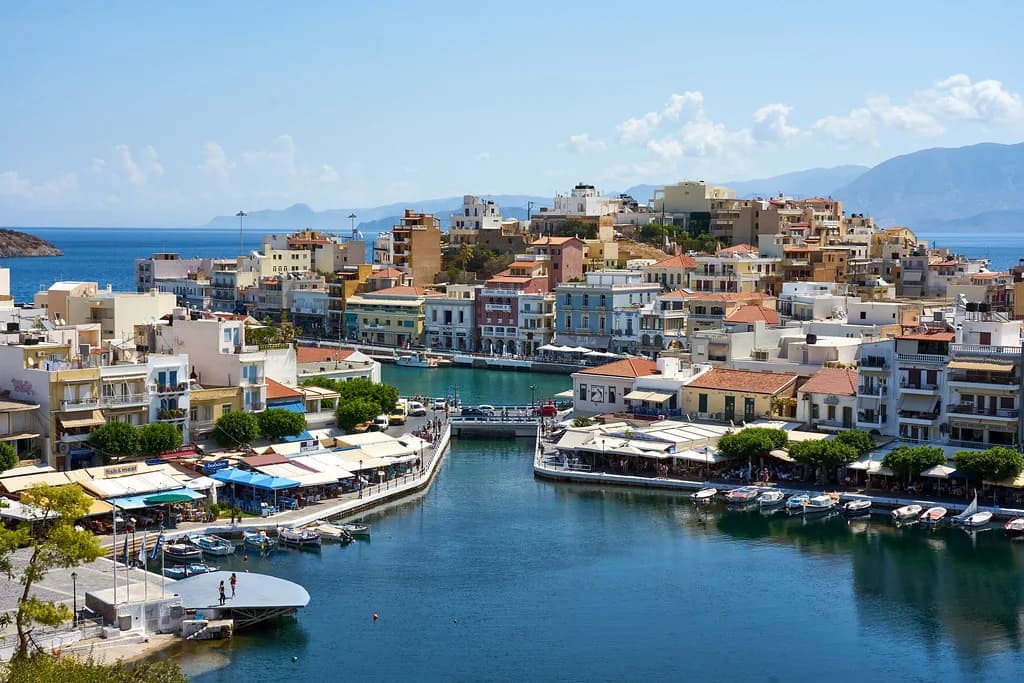
Lake Voulismeni is a circular lake with a diameter of roughly 137 metres, sitting in the Lasithi region of Crete inside Agios Nikolaos town. Its near-perfect circle is completed by a small bridge, the Agios Nikolaos Bridge, which links the two sides of the shore. The lake once held fresh water and is now connected to the sea by a shallow canal about 60 metres long and 12 metres wide, cut by the French army in 1870.
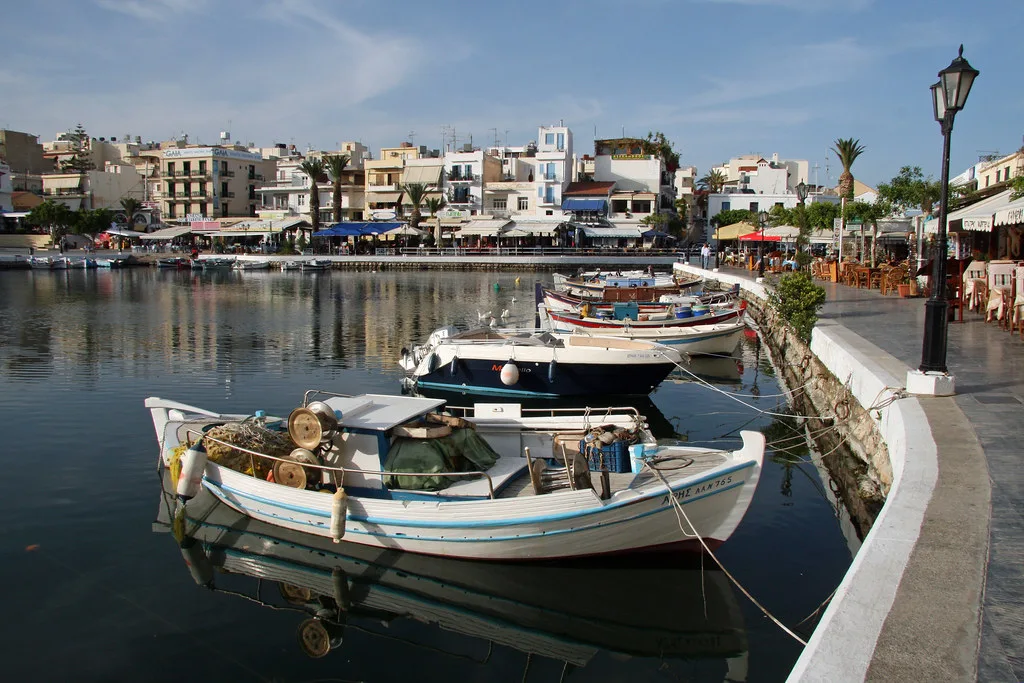
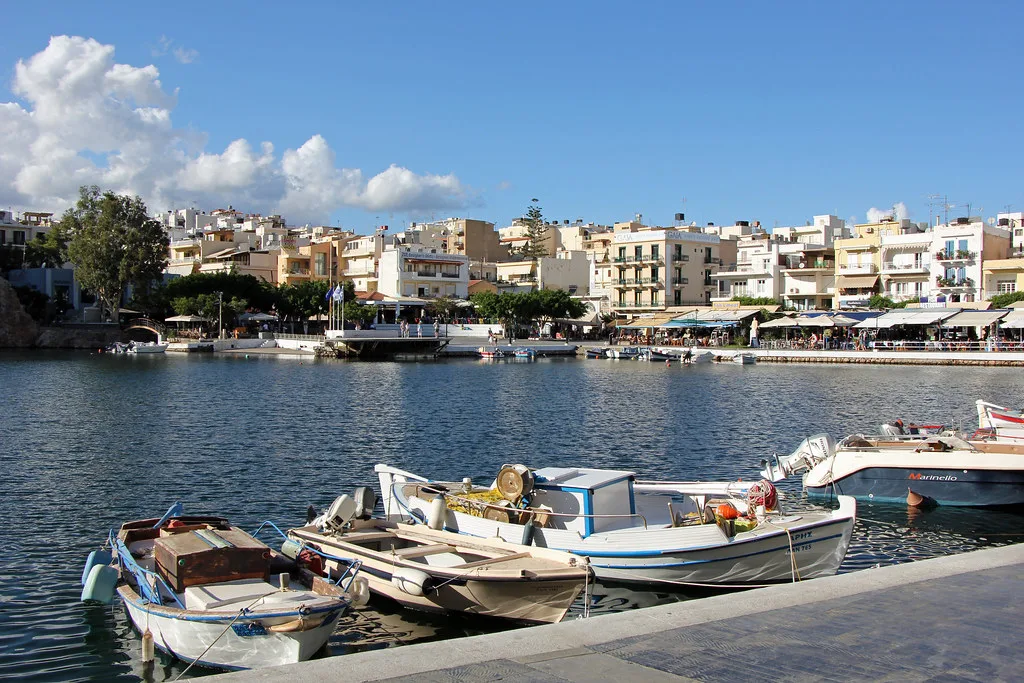
That canal is the reason the water is salt rather than fresh today, and it is also why small fishing boats moor in what looks like a town-centre pond. The lake is listed as a wetland covering about 0.147 square kilometres, which gives a sense of scale: small enough to walk around without effort. If you only remember one thing before you arrive, make it that this is a sea-linked lagoon in the middle of a working town, not a mountain tarn.
Where It Sits in Agios Nikolaos
The lake is in the centre of Agios Nikolaos, a short walk from the town information centre, and it functions as a natural orientation point for the surrounding streets. Rather than an address, use the water itself as your target: once you are in the central grid, the open circle of cliffs and cafés is hard to miss.
Because it sits inside the town, the approach on foot passes through the streets of the Agios Nikolaos old town, where the lanes slope down toward the water. Set your map to the lake and simply walk; the final approach is short from most central points.
Getting There and Getting Around
Agios Nikolaos is the main town of the Lasithi region on Crete's eastern side, and the lake is served by the town's own street network rather than by a dedicated car park or entrance. Arriving by car means finding town parking and walking in; arriving on foot from a central hotel takes minutes. For exact directions and live navigation, use a mapping app with the lake's coordinates rather than relying on written instructions, since one-way streets and pedestrian lanes change the sensible approach.
Once you are at the rim, everything is walkable: the circle of shore, the bridge, and the slope up to the park above. Boats and waterfront activity cluster on the lake side, while the open sea and the Agios Nikolaos marina lie a short walk away toward the coast.
The Canal and the Change from Fresh to Salt Water
The shallow canal dug in 1870 is the single engineering fact that explains the lake's character today. Before it was cut, the basin held fresh water; afterwards, seawater could flow in and out, and the lake became the saltwater inlet that boats now use. The canal is modest in size, roughly 60 metres by 12 metres, but it is worth seeking out on the shore because it is the reason the lake looks the way it does.
Walk to the point where the channel meets the open water and you can see the transition for yourself: calm enclosed basin on one side, sea on the other. It takes only a few minutes and gives the waterfront cafés their context.
Depth and the Bottomless-Lake Legend
Local storytelling has long claimed the lake has no bottom, and the persistence of that legend is part of why the spot draws curiosity. The recorded maximum depth is 48.8 metres, which is deep for a town-centre basin but a long way from bottomless. Some travel listings quote a different figure, so treat the measured number as the one to rely on and enjoy the myth as folklore rather than fact.
The legend is easy to repeat and hard to verify on the spot, since the water is dark and the sides steep. Knowing the real figure lets you appreciate why the story took hold without passing it on as true.
The Wartime Story Told About the Lake
According to local accounts, German forces dumped armaments and ammunition into the lake at the end of the Second World War. The story is part of how residents describe the lake's recent history, and it is repeated in published descriptions of the site. It is a detail to read as local memory rather than something you can see, since nothing of it is visible from the shore.
If wartime history is what draws you, pair the lake with other stops in town rather than expecting an interpretive display at the water's edge. The nearby archaeological museum covers a much older layer of Cretan history and makes a natural next stop on the same walk.
Best Viewpoints: the Park Above and the Shore at Night
The best overview is from the small park set above the lake, which gives a panoramic look down onto the circle of water, boats and surrounding rooftops. Climb up for the shape of the place, then come back down to the rim for the close-up. The park is a short walk from the shore rather than a separate trip.
At night the character changes: lights from the boats and the waterfront reflect across the water and the lake becomes the liveliest part of town. Descriptions of the site single out the evening view as the most striking. If you have time for only one visit and you want atmosphere rather than clarity, come after dark.
The Ring of Cafés, Bars and Tavernas
The lake is lined with bars and restaurants where you can eat or drink overlooking the water, and this is the main trade-off of the spot. A table on the rim buys you the view and the passing scene, usually at the cost of higher prices and a menu pitched at visitors; streets a block or two back tend to be cheaper and more local in feel. Decide which you want before you sit down, because once you are settled the view does the persuading.
No specific lakefront venue, price or seasonal closing is fixed here, since these change and should be checked on the spot or on the restaurant's own listing. Look at posted menus before committing, and note that waterfront tables fill fastest around sunset. If you would rather eat away from the water, use the old town lanes as your alternative.
How Long to Allow
A circuit of the lake, a stop on the bridge, and a look from the park above fit comfortably into half an hour to an hour. Add time if you sit for a coffee, a drink or a meal, which is how most people end up spending longer than planned. The lake rewards a slow pass rather than a rushed photo stop, but it does not need a half day of its own.
The sensible approach is to make the lake one segment of a walk through central Agios Nikolaos rather than the whole outing. That way the short visit still fits into a fuller day of sights and meals.
Nearby Options in and Around Agios Nikolaos
Beyond the lake, the town holds several small sights within walking distance, including the church of agios nikolaos, a compact church that makes an easy addition to the same circuit. Pairing the two keeps you in the centre and on foot.
Further afield, travel listings for the lake name Voulisma Beach, Istro Beach and Elounda as options in the wider area, along with boat trips that depart from around Agios Nikolaos. These are separate outings rather than things to do at the lake itself, so plan them as their own half days and confirm departure points and timings locally.
Inland, the Panagia Kera Church Near Kritsa is a known monument in the surrounding countryside, and the lato archaeological site sits above the area with views toward Mirabello Bay. Both require transport and are best treated as trips out from town rather than add-ons to a lake stroll.
Practical Notes Before You Go
No opening hours, entry fee or booking rule for the lake is published in the sources used here, which fits a central water feature you simply walk up to. Confirm anything time-sensitive, such as whether a particular waterfront terrace is open, with the venue or the town's information office when you arrive. Seasonal opening in Crete varies widely by business, so a winter visit may find fewer tables set out than a summer one.
Wear shoes that suit uneven stone paving around the rim and the slope up to the park. If you are combining the lake with a wider day in the Lassithi region, plan your transport first and let the walking stops fit around it.
Plan Your Visit
Lake Voulismeni works best as the anchor of a walk through central Agios Nikolaos: see the circle from the park above, cross the bridge, and follow the canal to where the town meets the sea. Allow an hour if you are strolling, more if you take a waterfront table, and treat the cafés as a view-versus-value decision rather than a default.
Build the rest of the day around the town's other sights and the surrounding countryside, and check any venue-specific details on arrival. Knowing the lake's real dimensions and depth lets you enjoy the legends without being misled by them.
Frequently Asked Questions
How deep is the lake at Agios Nikolaos?
The recorded maximum depth is 48.8 metres, which is deep for a small basin but far from the bottomless pit of local legend. Some travel listings quote a different figure, so rely on the measured number and enjoy the myth as storytelling.
Is Lake Voulismeni fresh water or salt water?
It is now salt water. The lake originally held fresh water, but a shallow canal about 60 metres long and 12 metres wide, cut in 1870, connected it to the sea. That link is why small fishing boats moor there today.
Where is Lake Voulismeni in Agios Nikolaos?
It sits in the centre of Agios Nikolaos in the Lasithi region of Crete, a short walk from the town information centre. Use the open circle of water as your landmark rather than a street address.
How long do you need at Lake Voulismeni?
Half an hour to an hour covers the circuit, the bridge and the view from the small park above. Add more time if you stop for a coffee, drink or meal at one of the waterfront tables.
Is Lake Voulismeni worth visiting?
It is worth a stop if you are already in central Agios Nikolaos, because the circular lake, its canal to the sea and the evening lights make it distinctive. It is a short town-centre sight rather than a stand-alone day out.
What is nearby Lake Voulismeni?
Within town, the church of Agios Nikolaos and the archaeological museum are easy walking additions. Further out, travel listings name Voulisma Beach, Istro Beach and Elounda, and boat trips depart from around Agios Nikolaos.